New Dinosaur Species Unearthed in Zimbabwe Offers Evolutionary Insights
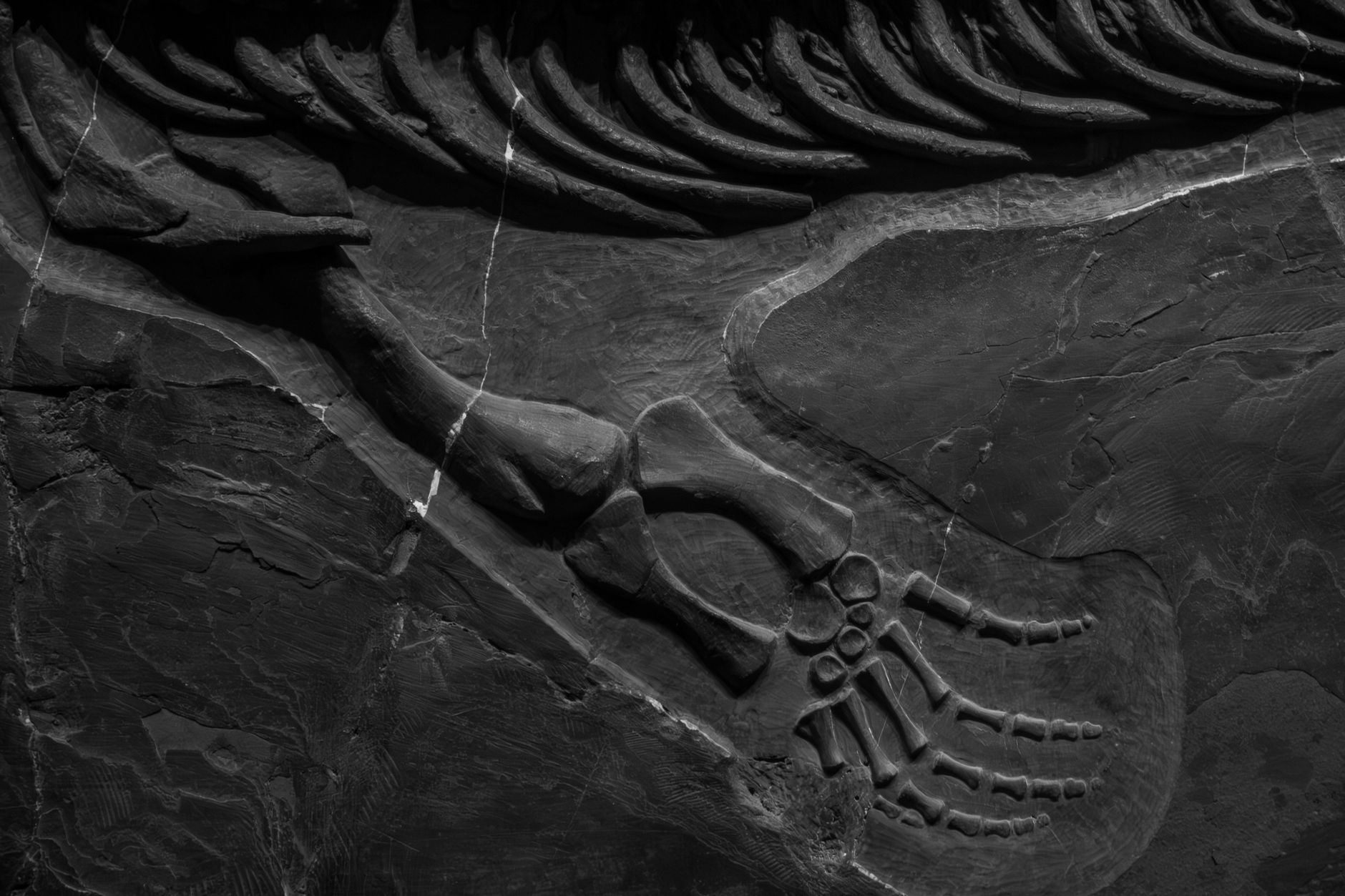
In a remarkable addition to our understanding of prehistoric life, palaeontologists have unveiled a new dinosaur species in Zimbabwe that is poised to transform our perceptions of early dinosaur evolution. The species, named Musango matusadonaensis, was discovered on the shores of Lake Kariba, a region that once formed part of the sprawling supercontinent Gondwana.
This discovery, dating back approximately 210 million years to the Late Triassic period, has captivated scientists with its potential to illuminate the evolutionary pathways of early dinosaurs. Standing at an impressive 4.5 metres long, Musango matusadonaensis joins a select group of southern African Triassic dinosaurs, including Massospondylus and Melanorosaurus, which have been pivotal in piecing together the continent's ancient ecological jigsaw.
A Window to the Past
Fossils of this new species were meticulously excavated from the sedimentary layers along Lake Kariba, a site that continues to yield significant scientific treasures. According to Dr. Witton, a leading palaeontologist involved in the study, the fossils represent a critical period in the history of life on Earth. "The Late Triassic was a time of significant diversification among dinosaur lineages, and this discovery offers a glimpse into the evolutionary experiments taking place," he remarked.
The find is not just a matter of adding another name to the dinosaur directory; it provides crucial data on how these creatures adapted to their environments, interacted with other species, and eventually dominated the planet's terrestrial ecosystems.
Implications for Palaeontology
The implications of this discovery stretch far beyond mere classification. By enhancing our understanding of dinosaur distribution and evolution in Gondwana, it also aids in reconstructing the palaeogeography of ancient Earth. Furthermore, these findings could help refine our understanding of how environmental changes influenced the diversity and spread of dinosaurs globally.
While the unearthing of Musango matusadonaensis might not make headlines globally, within the scientific community, it represents a monumental stride in our quest to unravel the complex tapestry of life that once thrived over 200 million years ago.