New Horizons: Fourth Transmissible Cancer Found in Fish
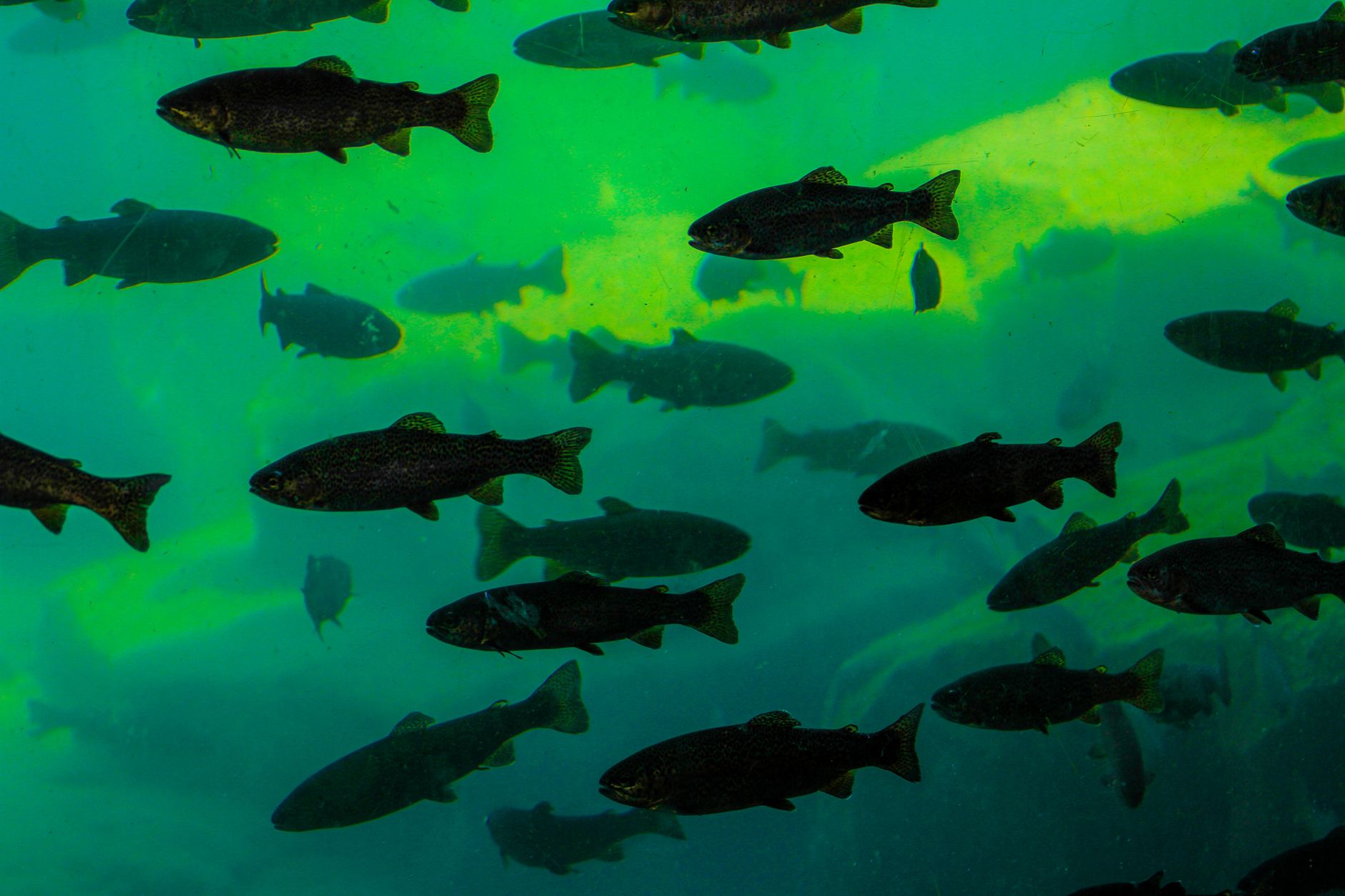
In a twist that could have been lifted from a science fiction plot, researchers have announced the discovery of the fourth known transmissible cancer, this time in a fish. This marks the first occurrence of such a cancer in both a fish and a freshwater species, propelling the scientific community into a flurry of activity.
Transmissible cancers are an extraordinary rarity in the animal kingdom. Until now, only three instances were known: in dogs, Tasmanian devils, and bivalve shellfish. The identification of a contagious melanoma-type cancer in a fish opens up new avenues for research and poses intriguing questions about the potential for similar diseases in other aquatic species.
Ecological Implications
Ecologists like to think in patterns, and this newest discovery follows a familiar one. According to Rabinowitz’s “seven forms of rarity,” the cancer's habitat and the way it spreads are critical areas of study. The freshwater environment, previously thought to be devoid of such phenomena, now presents a unique opportunity to understand how diseases might operate in similar ecosystems.
While the specifics of how this cancer transmits remain under study, the implications are clear: if one fish can host such a disease, it is plausible that others could as well. The discovery compels ecologists and marine biologists to look more closely at the ecosystems they study, potentially leading to the identification of other transmissible cancers lurking undetected.
Why It Matters
This discovery is more than a scientific curiosity; it is a reminder of the intricate interconnectedness of life. The emergence of a transmissible cancer in a new environment could impact biodiversity, survival rates, and ecosystem stability in ways not yet fully appreciated. Scientists are now tasked with understanding these dynamics and mitigating any potential threats to wildlife populations.
As researchers scramble to learn more, this finding underscores an essential truth of the natural world: what we don't yet know can have profound implications. And with this newfound knowledge comes the responsibility to explore, study, and safeguard our planet’s myriad life forms.