New Horizons: The Search for Habitable Worlds Beyond Earth
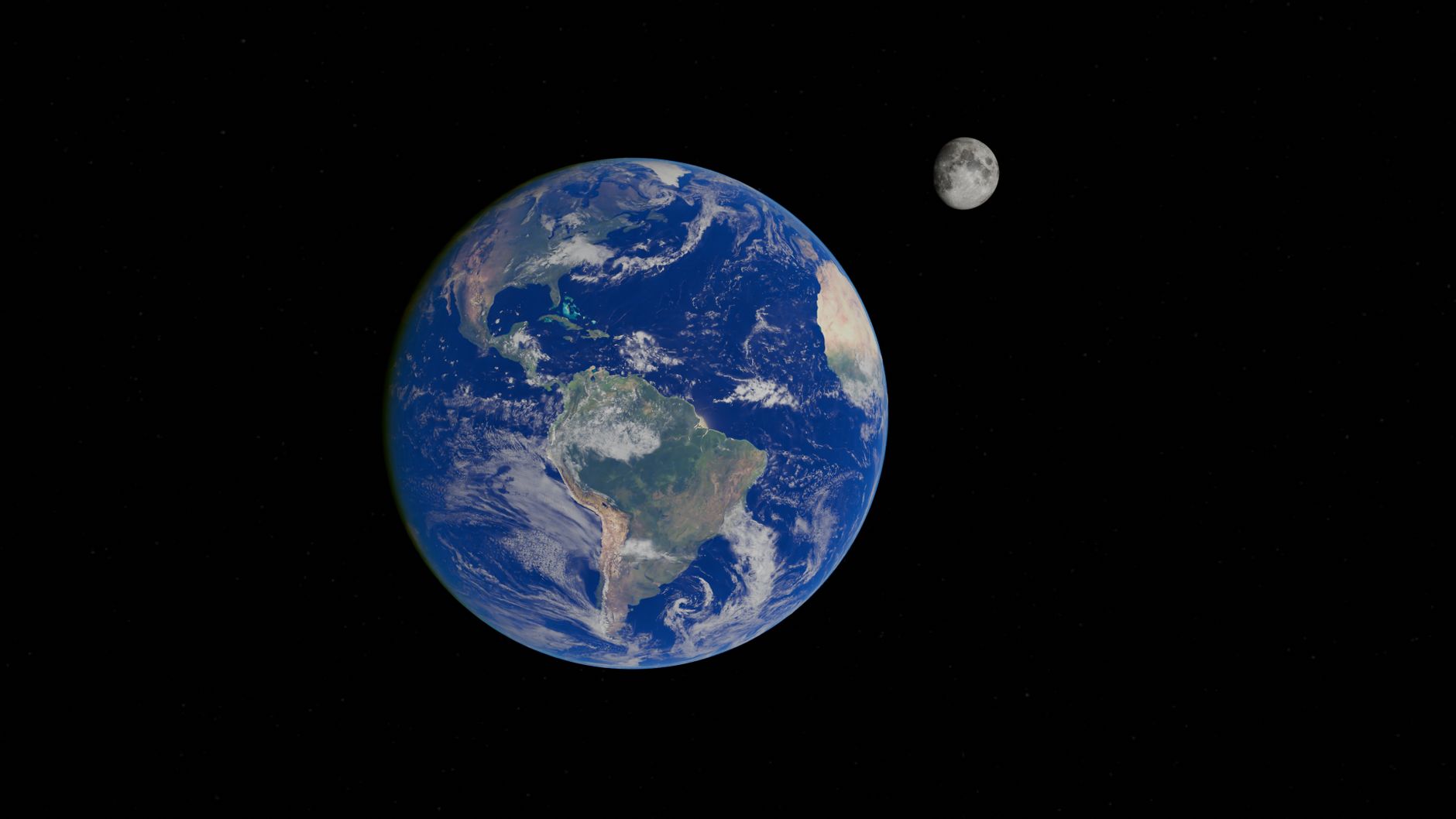
In a universe where Earth is but one of billions of planets, the notion that our blue planet is the sole cradle of life is increasingly being challenged. Recent astronomical discoveries suggest that there are planets out there with conditions potentially more habitable than Earth itself, sparking both excitement and curiosity within the scientific community.
Astronomers have long sought planets that mirror the Earth in size and orbit around stars similar to our Sun. However, this traditional approach is now seen as somewhat limiting. A growing body of evidence points to the existence of 'super-Earths'—planets larger than ours, yet not quite as massive as Neptune—and these have become prime candidates in the hunt for life beyond our solar system.
The allure of super-Earths lies in their detectability. Thanks to their size, they are easier to spot and study compared to their Earth-sized counterparts. This makes them tantalising targets for astronomers using methods such as the transit method and radial velocity measurements to identify new worlds.
Expanding Horizons
While the search for Earth-like planets continues, scientists are increasingly open to the possibility of worlds that could be even more conducive to life. Such planets might offer more stable climates, more abundant resources, or conditions that are more forgiving than those on Earth. The discovery of a potentially habitable planet just four light years away is a testament to the exciting possibilities that lie in our cosmic neighbourhood.
Yet, the search is not without its challenges. Many planets discovered are far from hospitable, with some resembling fiery infernos or frozen wastelands, reminding us of the vast diversity of planetary environments.
The Implications
The implications of discovering a truly habitable world are profound. It would not only redefine humanity's understanding of life in the universe but also our place within it. The search for habitable worlds is as much about finding new homes as it is about understanding our own planet better. It challenges us to rethink life, not just in familiar terms, but in entirely new ways.