New Lichen Species in India Offer Clues to Environmental Health
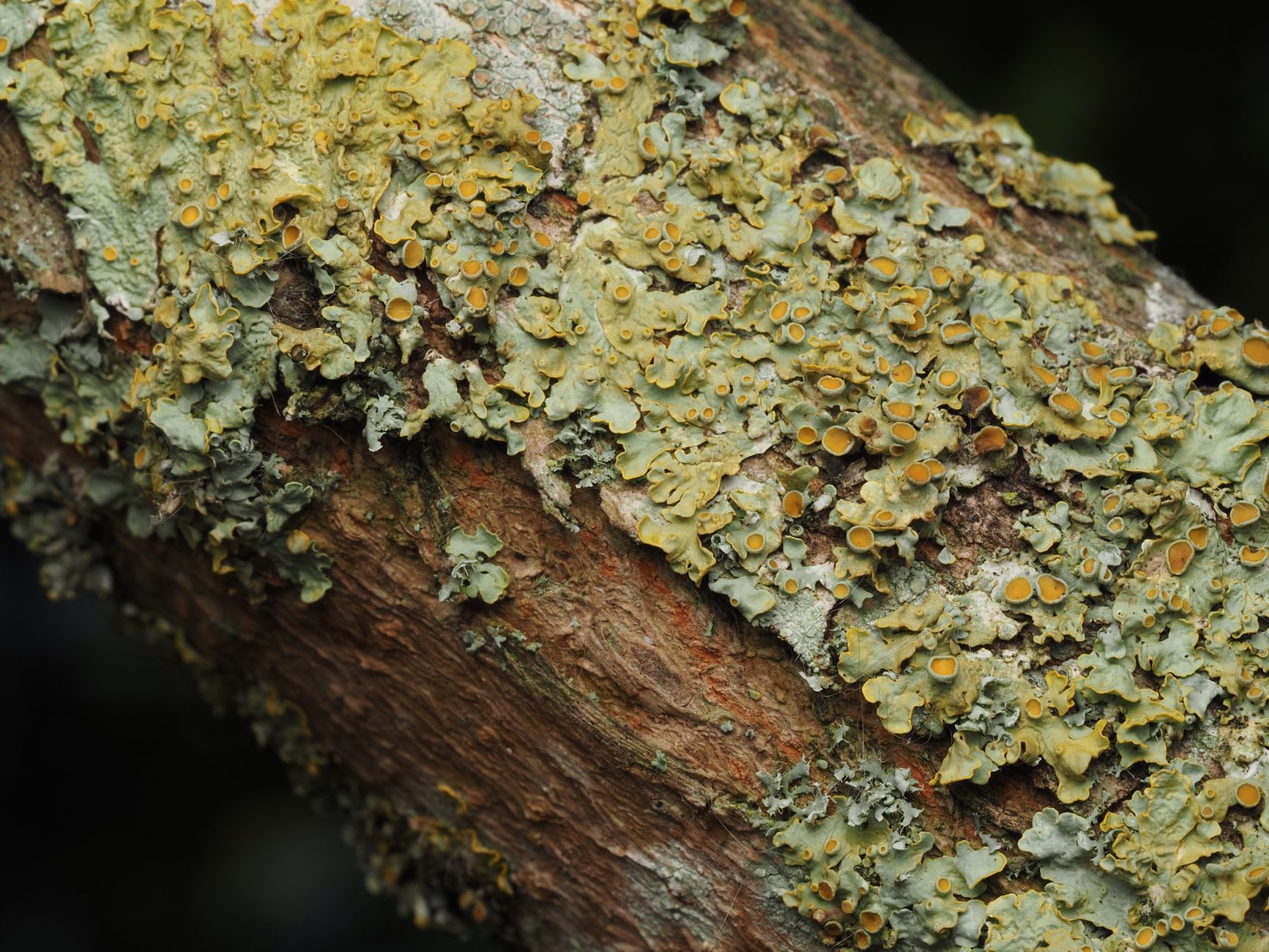
In a remote corner of Madhya Pradesh, scientists have made a discovery that could help decode the environmental health of the region. The CSIR-National Botanical Research Institute (NBRI) has identified nine new lichen species in Satna, highlighting the vital role these humble organisms play in monitoring air pollution.
Lichens, often overlooked in the grand scheme of biodiversity, are composite organisms arising from the symbiotic relationship between fungi and algae or cyanobacteria. Their sensitivity to pollution makes them invaluable bioindicators, offering insights into the levels of contaminants in the environment.
The Role of Lichens as Pollution Indicators
The presence of these nine lichen species, previously unreported in the Satna region, adds to the 64 varieties catalogued by the NBRI team. Lichens have long been used to gauge air quality due to their ability to absorb substances directly from the atmosphere. Scientists can detect and quantify pollutants by examining lichen tissues, providing a natural and effective means of monitoring environmental changes.
Dr. Rajesh Kumar, leading the research, remarked, "These findings are crucial for understanding how industrial activities impact local biodiversity. Lichens act as early warning systems, signalling the presence of pollutants that may not yet be evident through other means."
Implications for Environmental Conservation
This discovery is particularly significant given the rapid industrialisation in many parts of India. As natural air quality monitors, lichens offer a straightforward, cost-effective method to track pollution, which could inform policy decisions and conservation strategies.
The work of the CSIR-NBRI team not only enriches our understanding of India's biodiversity but also underscores the importance of preserving natural habitats. In a world increasingly dominated by urbanisation and industrialisation, such discoveries remind us of the intricate connections within ecosystems and the need for sustainable practices.
As scientists continue to explore the potential of lichens, these findings may inspire further research into their capabilities and applications. The humble lichen, it seems, holds the key to unlocking the secrets of our environment's health.