New Sports Hub: Andhra Pradesh Police Academy to Foster Athletic Talent
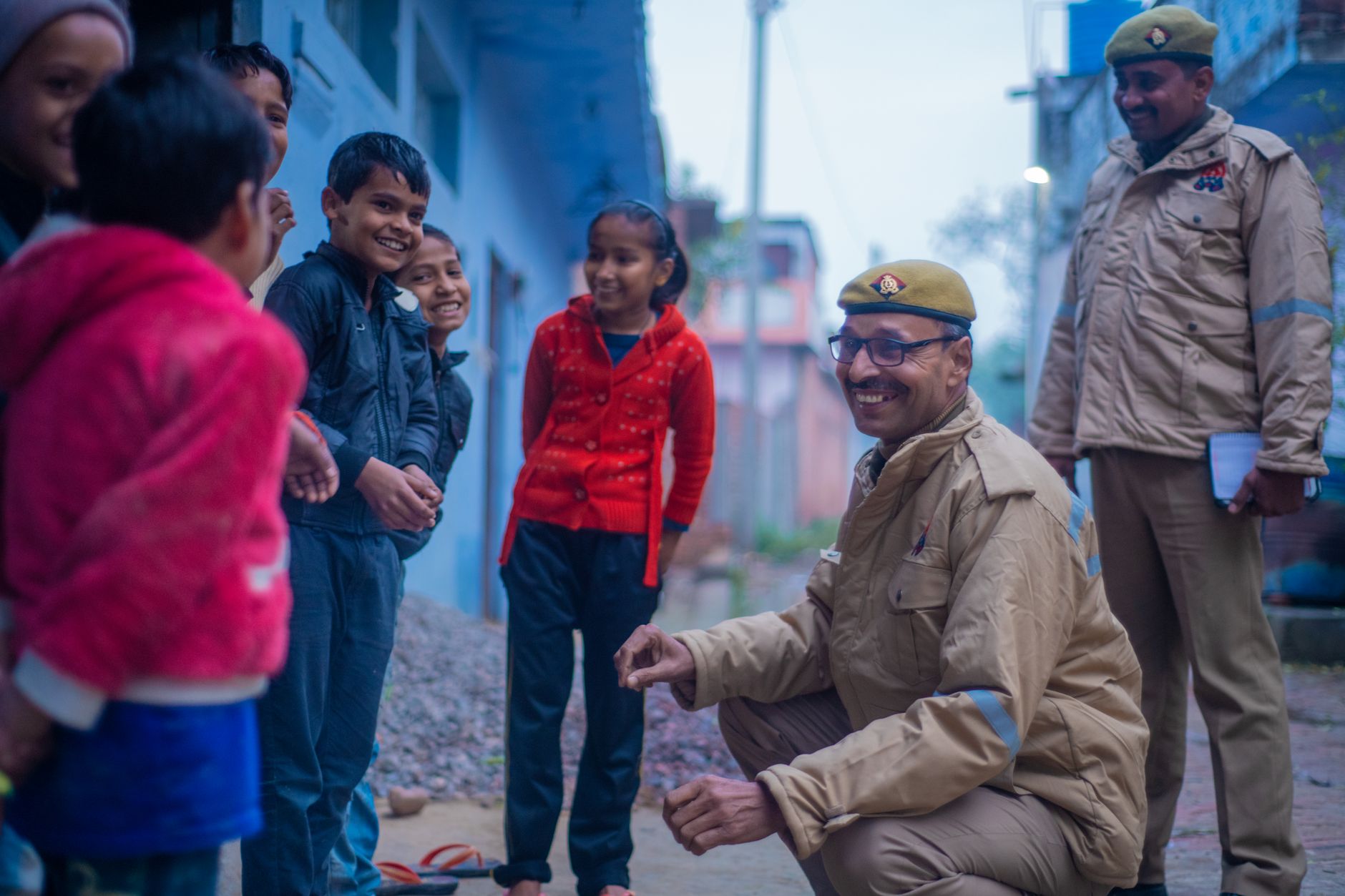
In a move that both surprises and delights, the Andhra Pradesh Police have announced plans to establish a dedicated sports academy. This initiative aims to harness and nurture the athletic talents of police personnel and the broader community. The academy is poised to become a beacon of physical fitness and competitive spirit, complementing the police’s operational duties.
The decision comes at a time when the Andhra Pradesh Police have been in the spotlight for less flattering reasons. Allegations of heavy-handedness and inhumane treatment of marginalised groups have not gone unnoticed. Yet, amidst these controversies, the proposed sports academy offers a glimmer of positive engagement with the community.
Fostering Talent and Community Relations
The planned academy will serve a dual purpose. It seeks to improve the physical fitness levels of officers, which is essential for effective policing. Additionally, by opening its doors to community members, it aims to build stronger relations with the public. Such initiatives are crucial in bridging gaps and fostering trust, especially in regions where police-community relations have been strained.
Headquartered in the heart of Andhra Pradesh, the academy will offer training in various sports, potentially including cricket, athletics, basketball, and martial arts. It is anticipated that the facility will also host regional competitions, further enhancing its role as a community hub.
Challenges and Opportunities
Despite the positive outlook, the venture is not without its challenges. Securing adequate funding and maintaining sustained interest will be crucial for the academy’s success. However, with proper planning and execution, the sports academy could serve as a model for other state police forces.
This new direction not only promises to develop sports talent but also reflects a broader vision of holistic policing. By focusing on physical and mental well-being, the Andhra Pradesh Police are setting a precedent that could reshape public perception and interaction with law enforcement.