Nikon Disqualifies AI-Generated Image Amid Backlash
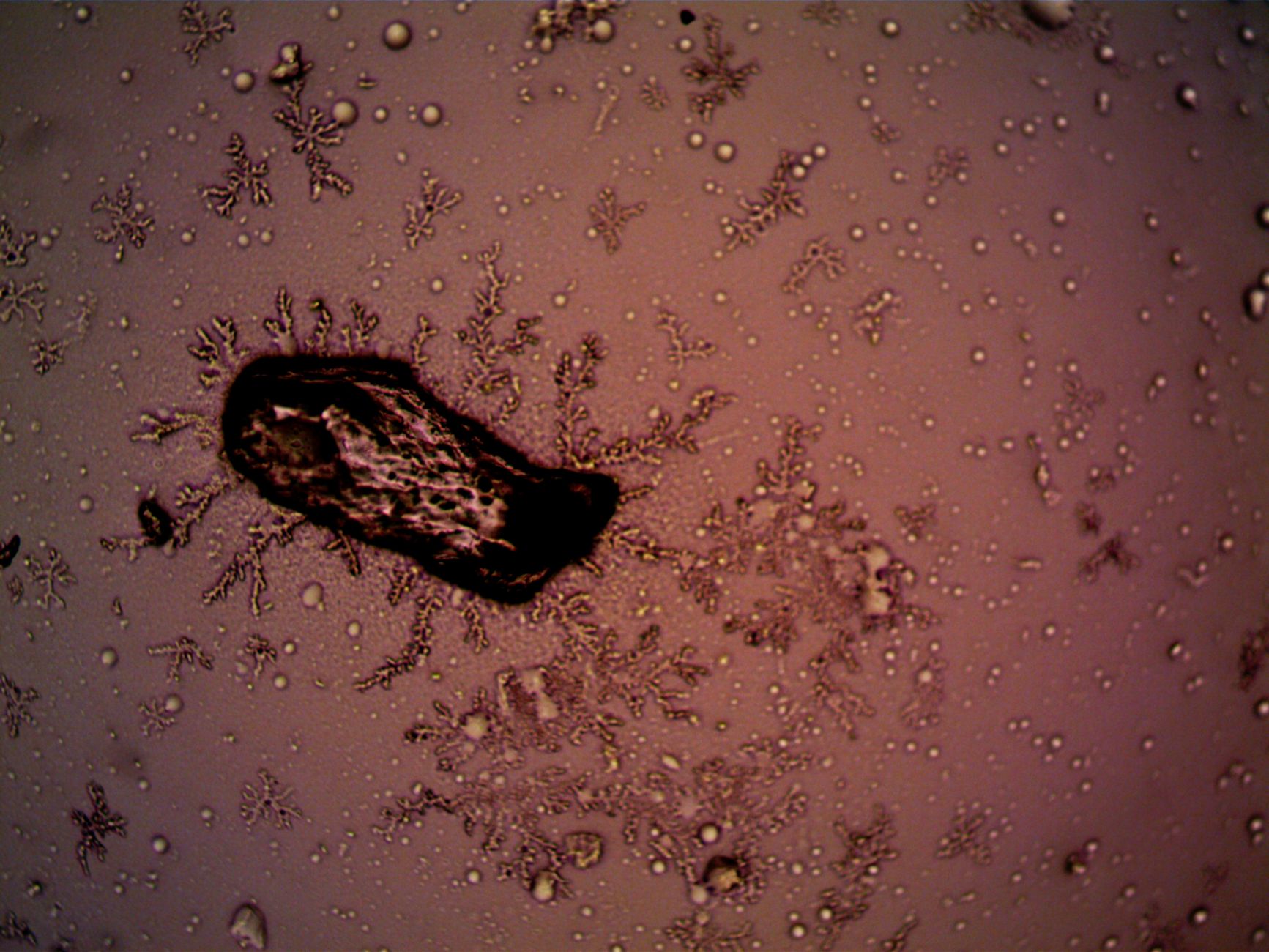
In the ever-evolving world of scientific photography, authenticity has taken centre stage following Nikon's decision to disqualify a prize-winning entry from its esteemed Small World In Motion contest. The image, which initially dazzled judges with its intricate depiction of the microscopic realm, was later revealed to have been crafted using generative AI. This revelation has ignited a fierce debate about the role of artificial intelligence in the domain of scientific imagery.
Submitted by Dr. Ning Xu of Tsinghua University, the image was initially lauded for its breathtaking detail and vibrant colours. However, the celebration was short-lived after Nikon's officials discovered that the entry had contravened competition rules, which explicitly prohibit the use of generative AI. In a statement, Nikon emphasised the importance of maintaining the integrity of the contest, noting that the rules are designed to ensure entries reflect genuine scientific observation rather than artistic fabrication.
The AI Conundrum
The disqualification has sparked wider discussions within the scientific community about the burgeoning influence of AI technologies. While some researchers argue that AI can enhance our understanding of complex scientific phenomena, others warn of the potential for it to blur the lines between reality and fiction. The incident is one of the clearest examples yet of how AI-generated content can infiltrate areas traditionally dominated by human expertise.
This episode also raises questions about the responsibilities of organisers in such competitions. As AI tools become more sophisticated and accessible, ensuring compliance with rules becomes increasingly challenging. The case of Dr. Xu's entry serves as a cautionary tale for both participants and judges alike, highlighting the need for vigilance and transparency in the adjudication process.
Future of Scientific Imagery
As the dust settles on this controversy, the scientific community is left to ponder the future trajectory of scientific imaging. The integration of AI into this field is inevitable, yet establishing clear ethical guidelines and robust verification processes will be crucial to preserving the credibility of scientific discoveries. Ultimately, the dialogue spurred by this incident could pave the way for a more nuanced understanding of how technology and science can coexist harmoniously.