Nikon Disqualifies AI-Generated Image Amid Controversy
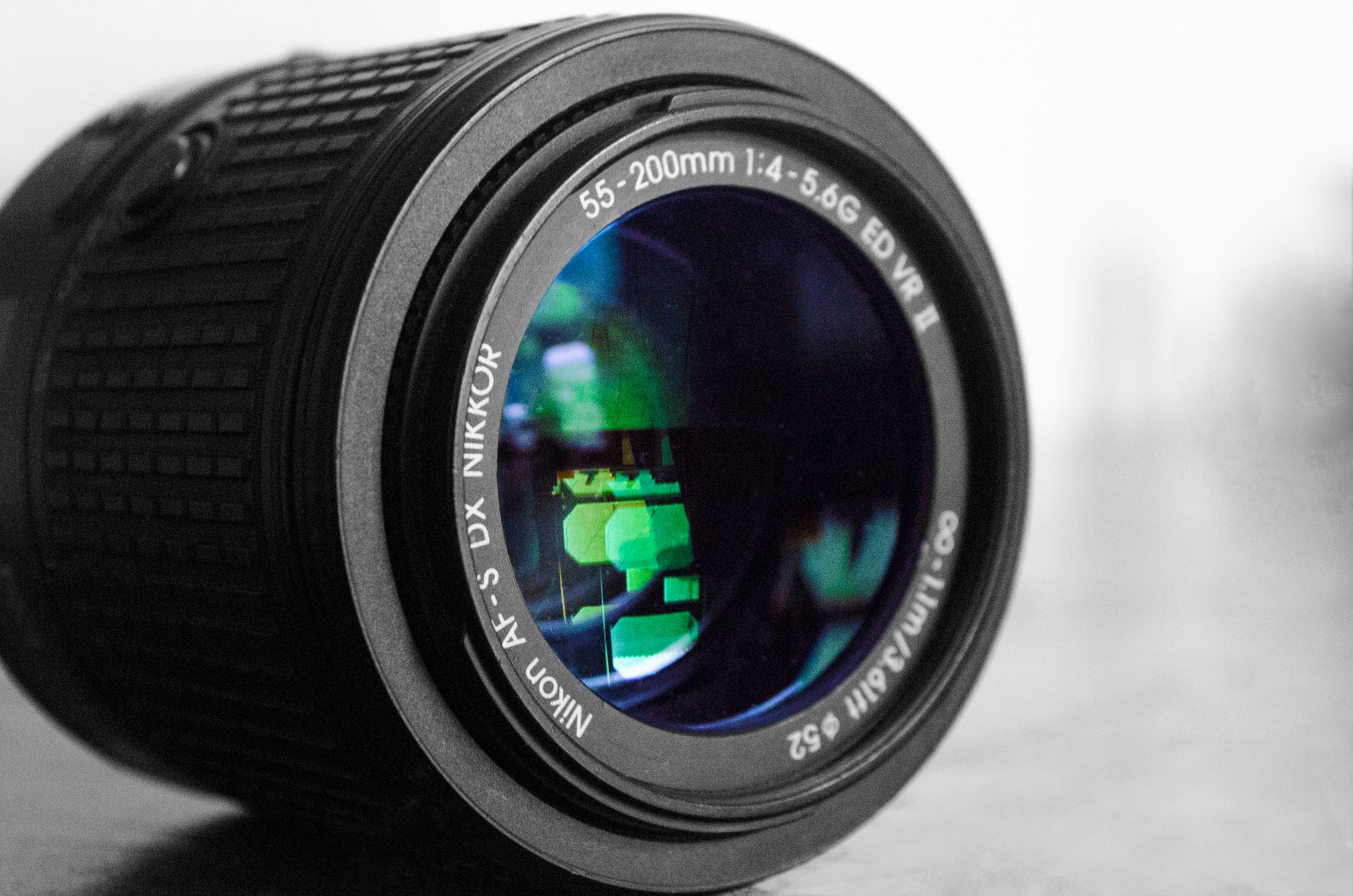
In a decision that has sent ripples through the art and photography world, Nikon has disqualified a prize-winning image after it emerged that the work was generated using artificial intelligence. The image, which had initially been praised for its intricate detail and composition, was entered into Nikon's Small World In Motion contest, a competition designed to showcase the wonders of microscopic photography.
The controversy erupted after the photographer admitted that the image was not an authentic capture through a microscope, but rather the product of advanced AI algorithms. Nikon's rules clearly state that submissions must be genuine microscopic photographs or videos, making the AI-generated entry a clear violation.
The Role of AI in Creative Industries
This incident has reignited debate over the place of AI in creative competitions. While AI-generated art has been gaining popularity for its ability to produce unique and imaginative visuals, purists argue that it lacks the authenticity and skill inherent in traditional artistic methods. This disqualification underscores the ongoing tension between technological innovation and artistic integrity.
Nikon's decision reflects broader concerns about maintaining the integrity of art forms that are deeply rooted in human skill and observation. As AI technology continues to evolve, organisations will need to adapt their rules and guidelines to address these new challenges.
Navigating the Future
The controversy has also highlighted the need for clearer definitions and guidelines in competitions. As more creators turn to AI for assistance, the lines between human and machine creativity are becoming increasingly blurred. Some suggest that separate categories for AI-assisted creations might offer a solution, allowing both traditional and AI-generated art to be celebrated in their own right.
For now, Nikon's ruling has reiterated the importance of transparency and authenticity in artistic competitions. As technology advances, the debate over AI's role in creativity is likely to continue, challenging both artists and institutions to reconsider the boundaries of artistic expression.