Nila Vikhe Patil: From Maharashtra to Sweden's Halls of Power
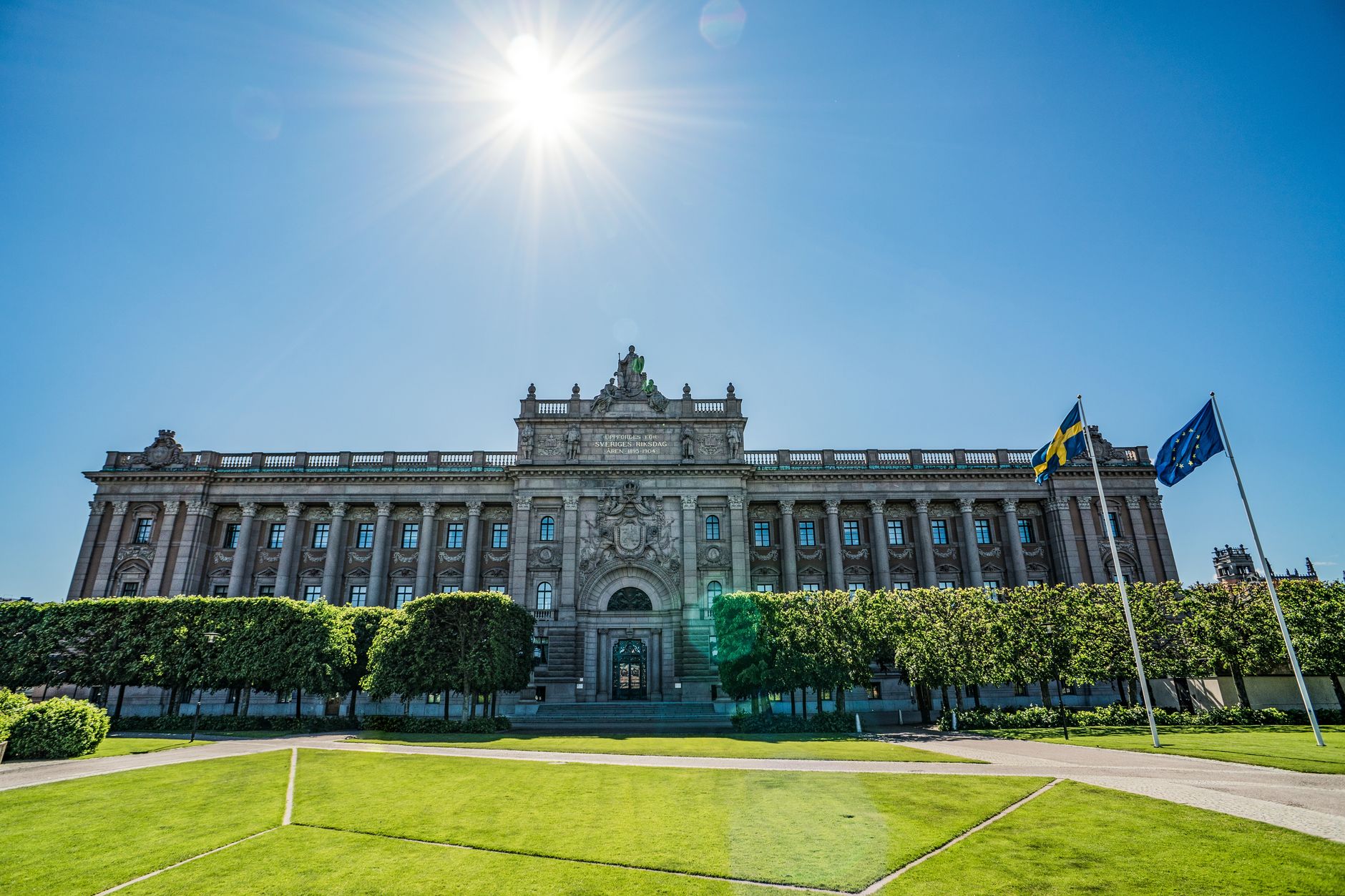
Nila Vikhe Patil's entrance into the Swedish parliament is not merely a tale of political ambition but also one of cultural confluence. Born in Sweden to Indian parents, Nila represents a fusion of two worlds. Her father, Ashok Vikhe Patil, is a well-known educationist in Maharashtra, and her familial ties to India are as strong as ever.
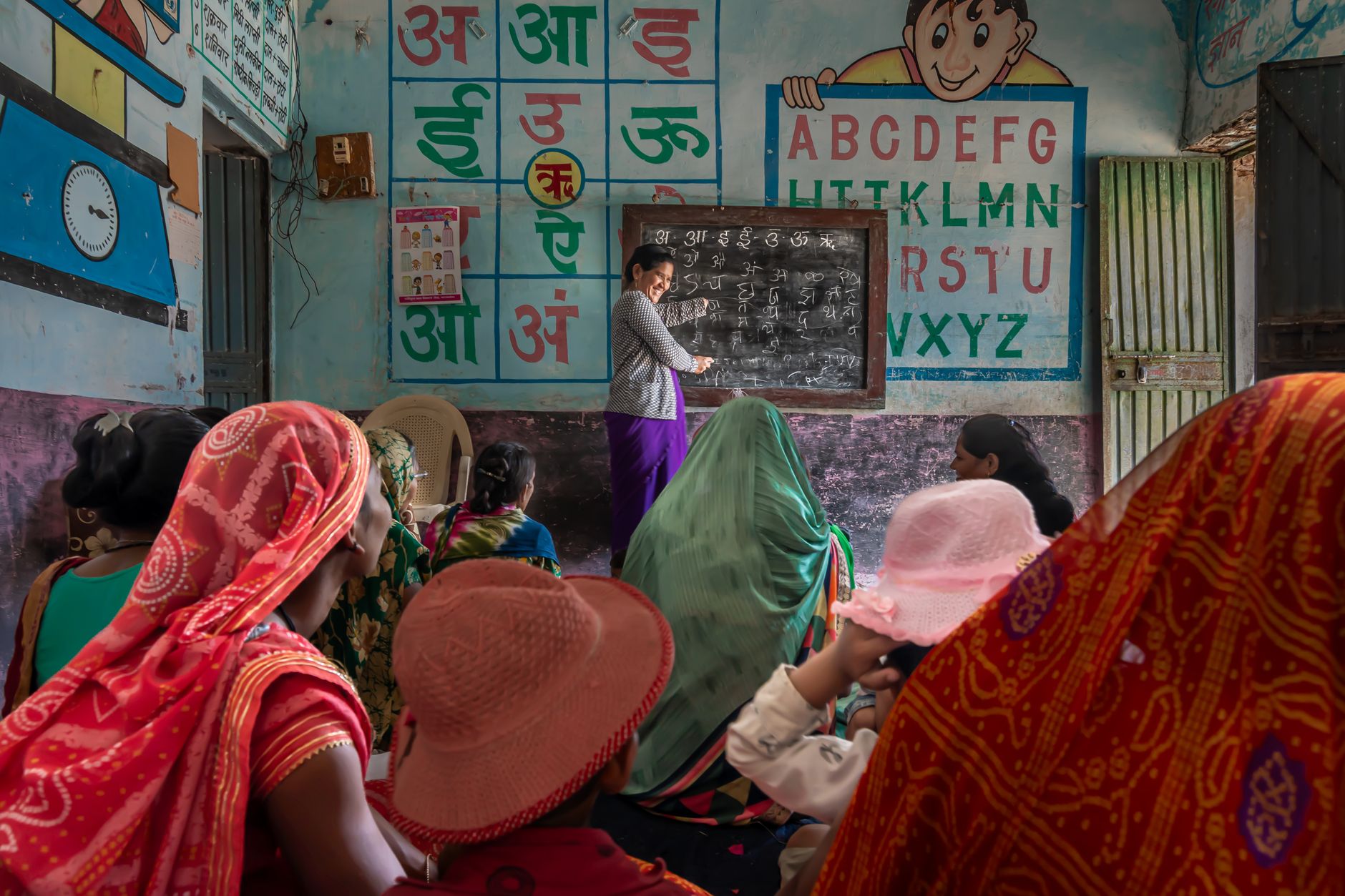
Her early years were a blend of Swedish and Indian influences. Growing up in Ahmednagar, a city in Maharashtra known for its rich history, Nila was immersed in her Indian heritage. Her educational pursuits took her back to Sweden, where she excelled academically, eventually leading to a career in politics.
Educational Foundations
Nila's educational background is as impressive as it is diverse. Attending some of Sweden's most prestigious institutions, she honed her skills in political science and international relations. This academic foundation set the stage for her advisory role to the Swedish Prime Minister, a position that would be a stepping stone to her parliamentary election.
Her education was not confined to the classroom. The values instilled by her family, particularly the emphasis on public service, played a crucial role in shaping her political outlook. Nila's grandfather, Balasaheb Vikhe Patil, was a renowned sugar baron and Member of Parliament in India, whose legacy of leadership and service undoubtedly influenced her path.
A Political Journey
Before being elected to the Riksdag, Nila served as a political advisor, navigating the intricate corridors of Swedish politics. Her election is significant not only because of her age but also due to her dual heritage. As a woman of Indian descent, she brings a unique perspective to Swedish governance, one that resonates with Sweden's growing multicultural society.
Nila Vikhe Patil's story is a testament to the power of education and cultural diversity. Her journey from the educational institutions of Maharashtra to the Swedish parliament underscores the global nature of modern politics and the increasingly international fabric of leadership. As she takes her seat in the Riksdag, her narrative of cross-cultural achievement continues to inspire many on both sides of the globe.