Nobel Prize Sparks Debate on Brain Research and Healthcare Access
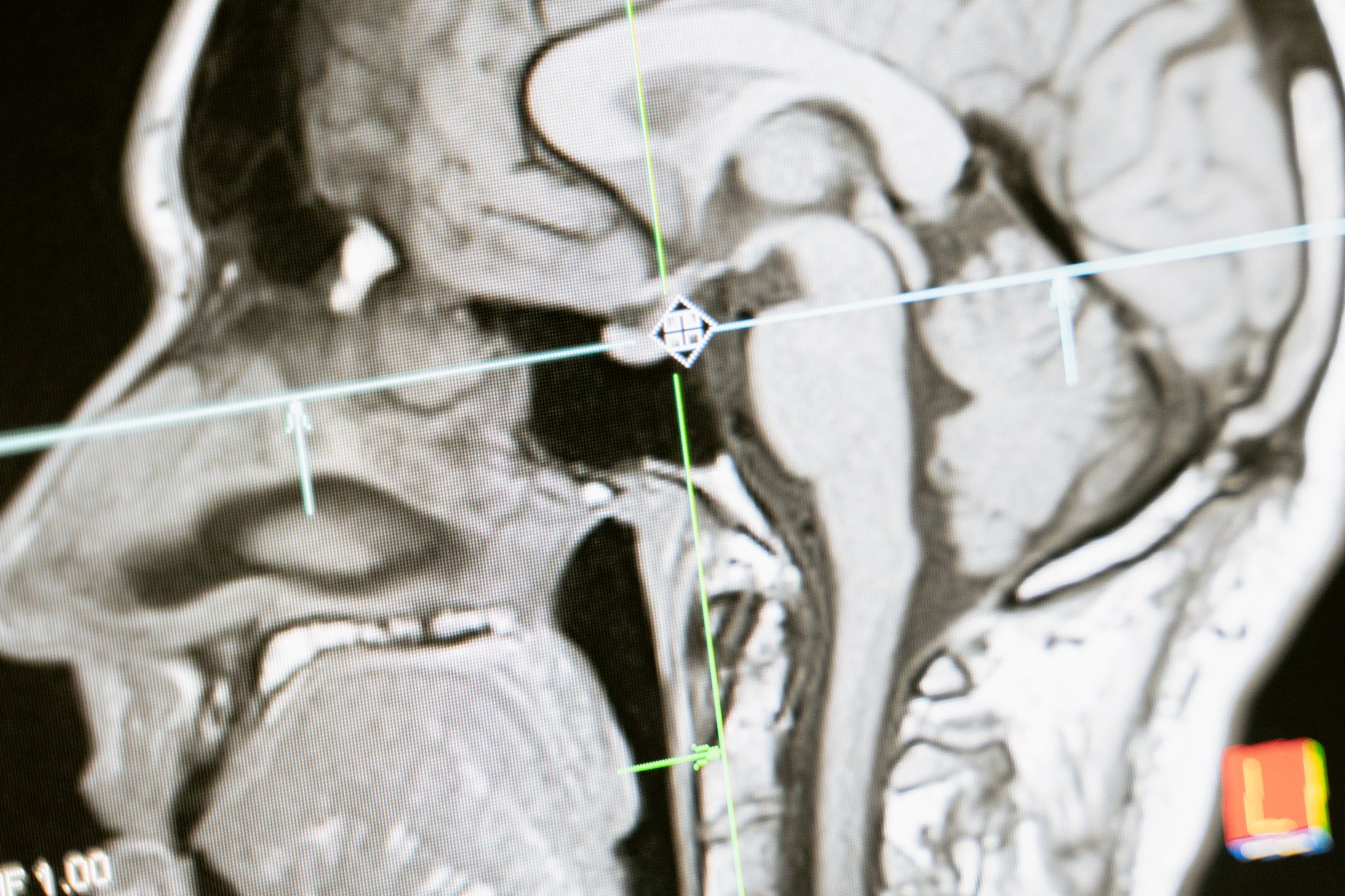
With the Nobel Prize announcements just around the corner, the scientific community is abuzz with anticipation. This year, the spotlight is firmly on brain research, an area that has seen groundbreaking developments in recent times. As the Norwegian Nobel Committee prepares to unveil the laureates, the implications for global healthcare are already being fiercely debated.
The potential for brain research to transform healthcare is immense. From tackling neurological disorders like Alzheimer's to paving the way for advanced brain-computer interfaces, the possibilities are as exciting as they are daunting. Yet, as experts eagerly discuss these advancements, a pressing question looms: how accessible will these innovations be to the wider world?
The Accessibility Conundrum
While the scientific breakthroughs in brain research promise a new era of medical possibilities, the issue of accessibility remains a significant barrier. Many countries, particularly in the developing world, struggle with basic healthcare infrastructure. The challenge lies not only in developing these cutting-edge technologies but in ensuring they reach those who need them most.
Dr. Emma Carter, a leading neuroscientist, notes, "The gap between research and implementation is wide. We must focus on making these treatments affordable and available globally." Her sentiments echo a broader concern within the medical community that without equitable distribution, the benefits of such research may remain confined to wealthier nations.
Bridging the Gap
The debate around healthcare access is not new, but the fervour surrounding this year's Nobel focus has reignited discussions. Suggestions include increased international collaboration and funding targeted at healthcare in underserved regions. Furthermore, there is a call for policy frameworks that support the integration of new technologies into existing healthcare systems.
As the world awaits the Nobel announcements, the conversation is shifting from mere recognition of achievements to actionable steps that ensure these innovations do not simply remain within the pages of scientific journals. The coming weeks promise to be a critical period for policymakers and scientists alike, as they ponder how best to translate prestige into progress.