Nobel Prize Sparks Debate on Brain Research and Healthcare Access
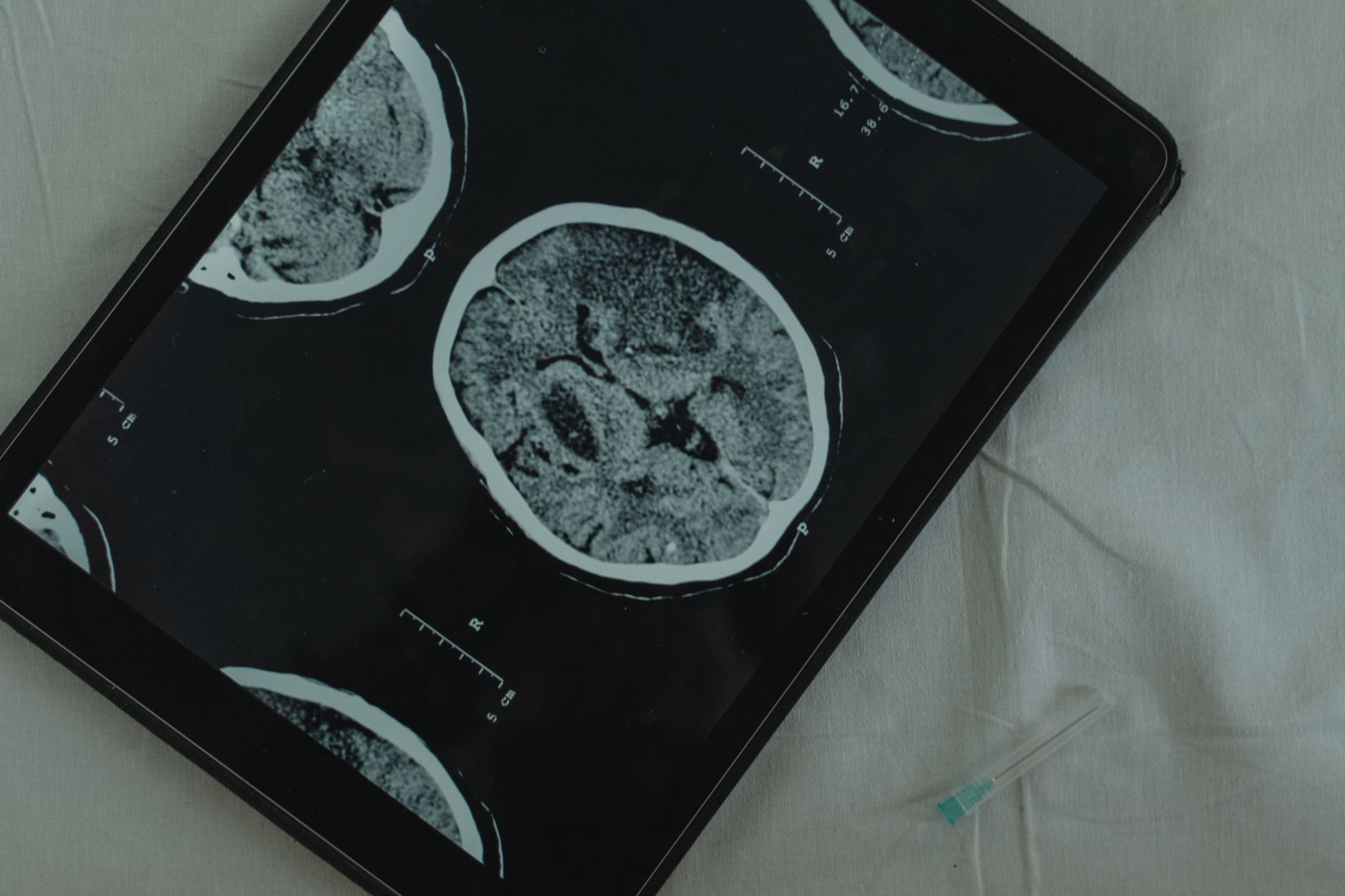
The 2026 Nobel Prize, awarded for pioneering work in brain research, has stirred a cauldron of discussions far beyond academic circles. The accolade, bestowed upon a team of neuroscientists, is not just a nod to their contributions to understanding the human brain's complexities, but also a catalyst for broader debates on healthcare access.
Brain research, by its nature, frequently sits at the cutting edge of scientific advancement. This year's laureates have made significant strides in decoding neural pathways, promising potential treatments for neurodegenerative diseases. However, as is often the case with medical breakthroughs, the question of who benefits from these advances looms large.
The Promise and the Pitfalls
While the potential to treat conditions like Alzheimer's and Parkinson's is undoubtedly exciting, it raises critical questions about accessibility. As healthcare systems worldwide grapple with funding constraints, ensuring that these breakthroughs reach beyond affluent communities is a challenge yet to be adequately addressed.
In recent years, there has been a marked increase in private investment in medical research, which, while accelerating innovation, often skews benefits towards those who can afford them. The Nobel Prize has inadvertently shone a spotlight on this growing disparity, prompting calls for policies that ensure equitable access to new treatments.
Looking Forward
The dialogue spurred by the Nobel announcement is timely. Governments and international health organisations are being urged to collaborate on frameworks that prioritise universal access. This includes not only the distribution of new therapies but also the infrastructure to support their deployment.
Ultimately, the 2026 Nobel Prize serves as a reminder that while scientific progress is invaluable, it must be coupled with ethical considerations and practical solutions to ensure its benefits are shared globally. As the world watches these developments unfold, the imperative to align innovation with accessibility remains a pressing concern.