Nuclear Clocks: A New Era in Precision Timekeeping
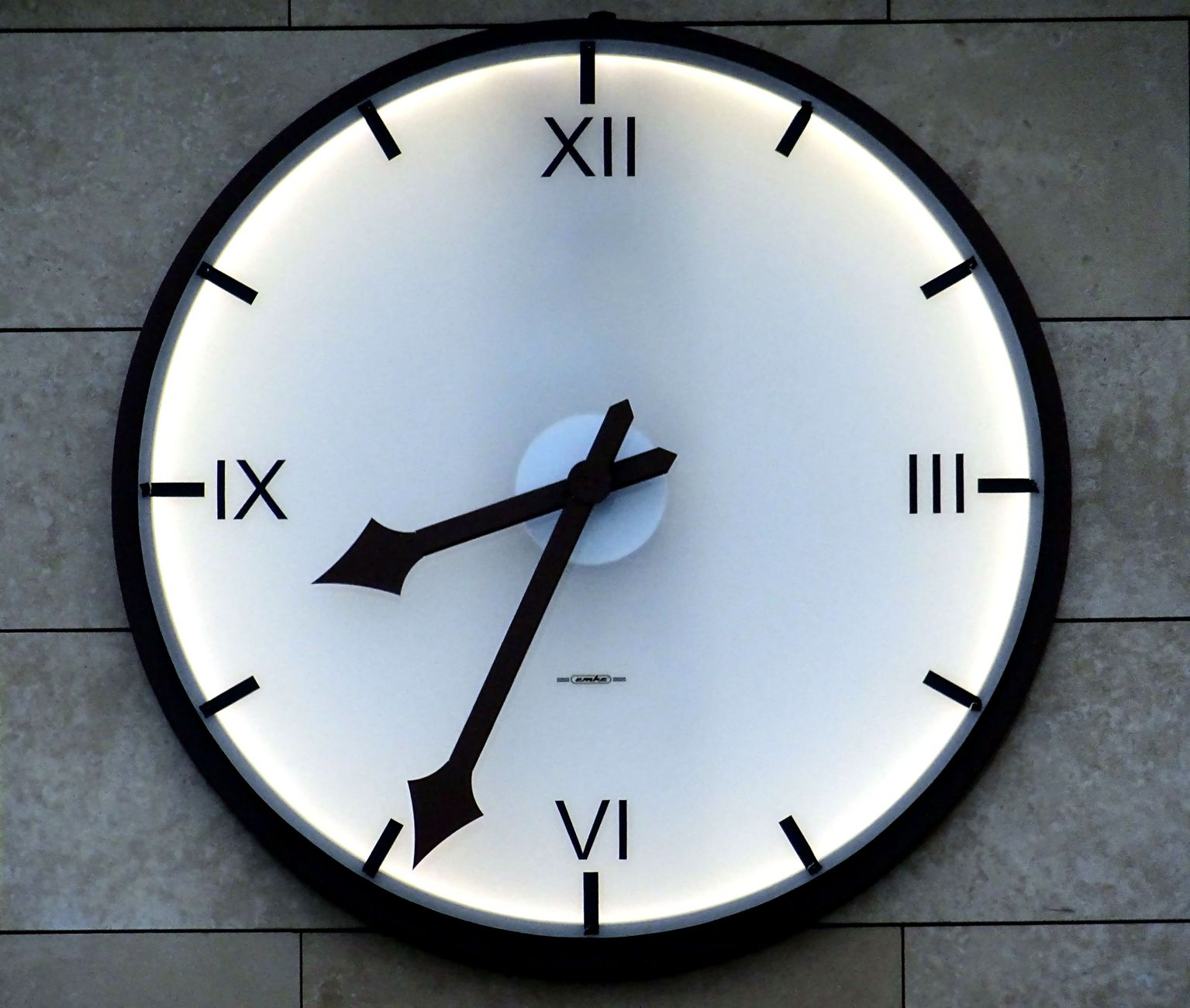
In an achievement that has captured the attention of the scientific community, teams from Vienna and Beijing have declared the successful creation of the world's first operational nuclear clocks. These groundbreaking devices, which utilise thorium-229 nuclei encapsulated in calcium fluoride crystals, represent a leap forward in the quest for ultimate precision in timekeeping.
For decades, the concept of nuclear clocks has tantalised physicists as a theoretical pinnacle of accuracy, potentially surpassing even the most advanced atomic clocks. Now, this concept has moved from theoretical promise to tangible reality, marking a pivotal moment in horological history.
A New Benchmark in Timekeeping
The precision offered by these nuclear clocks is nothing short of revolutionary. Current atomic clocks, which measure time based on the oscillations of cesium atoms, are already incredibly accurate. However, the nuclear clocks' use of the thorium-229 nucleus could increase this accuracy by a factor of up to 100,000, providing an unparalleled benchmark for timekeeping.
This level of precision has far-reaching implications. Enhanced GPS systems, improved telecommunications networks, and more precise scientific measurements are just a few potential applications. Moreover, the ability to measure time with such accuracy could lead to the discovery of new physical phenomena, offering fresh insights into the fundamental laws of nature.
Implications for Science and Technology
The significance of this development extends beyond mere precision. The operational nuclear clocks could also aid in the search for dark matter and other elusive aspects of the universe. By providing a more stable and exact measure of time, they offer a new tool for exploring the enigmas of physics.
While the path to this achievement has been long and fraught with challenges, the collaboration between the Austrian and Chinese teams exemplifies the global nature of scientific advancement. As these nuclear clocks begin to find their applications, they herald a new era where time may be measured with unprecedented exactitude, reshaping our understanding of the universe itself.