Nuclear Deterrent: Can It Shield Earth from Asteroids?
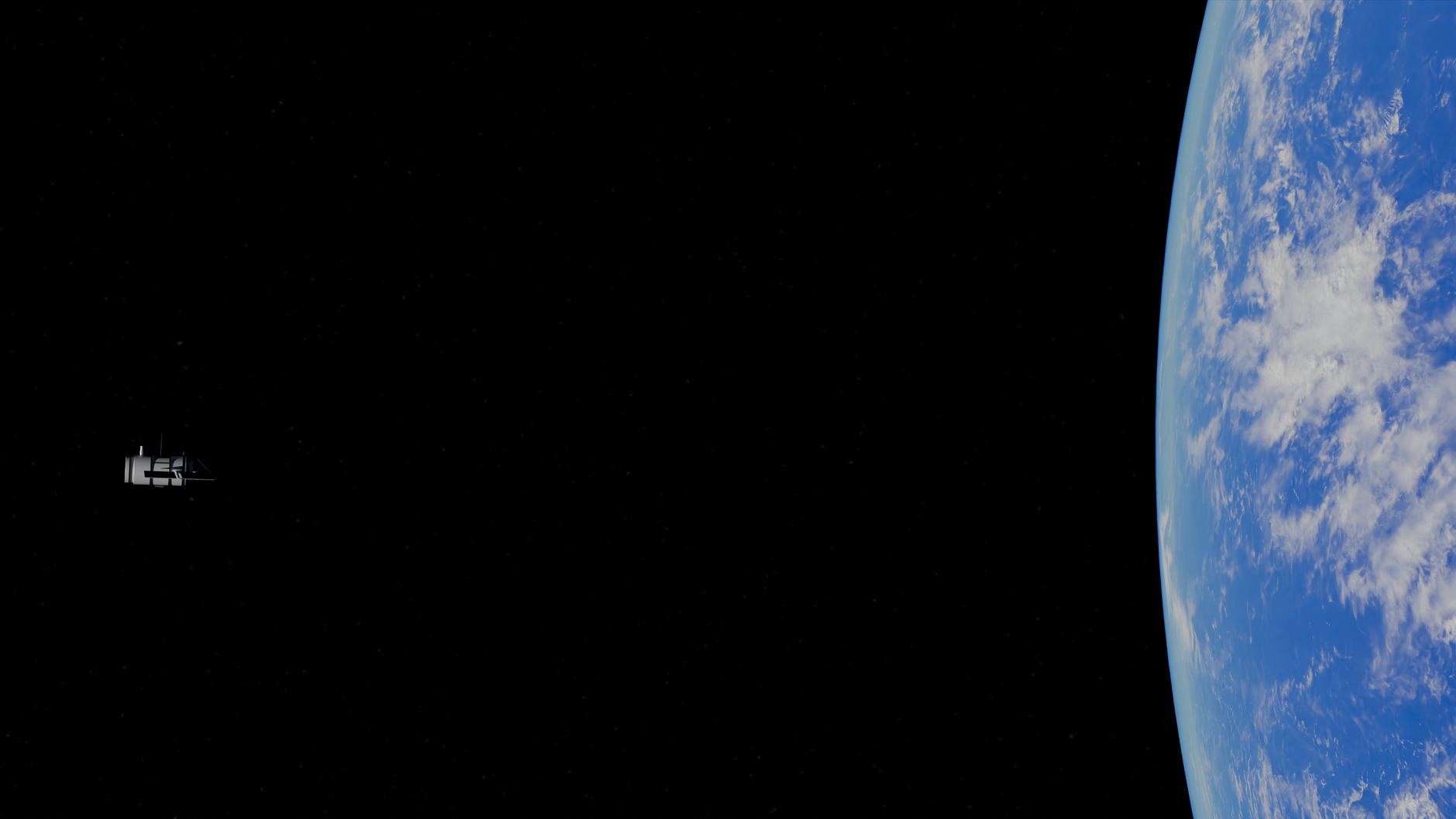
In a scenario reminiscent of a Hollywood blockbuster, scientists are seriously considering the use of nuclear weapons to protect Earth from potentially devastating asteroid impacts. While the notion may evoke images of Bruce Willis saving the planet, the reality is rooted in rigorous scientific inquiry.
Researchers at the Lawrence Livermore National Laboratory in California have been running simulations to determine the efficacy of nuclear explosions in diverting or obliterating asteroids on a collision course with Earth. Their findings, published in the Planetary Science Journal, suggest that in certain scenarios, a well-placed nuclear detonation could be the most effective means of preventing an impact event.
The Science Behind the Blast
Asteroids, those rocky remnants of our solar system's formation, pose a significant threat due to their unpredictable trajectories and immense kinetic energy. The concept of using nuclear devices to alter an asteroid's path is not new, but recent advancements in simulation technology have provided clearer insights into its potential success.
The researchers' simulations focus on achieving what is known as a 'standoff detonation'. This involves detonating a nuclear device at a distance from the asteroid, allowing the resulting heat and shockwave to either vaporise a portion of its surface or nudge it onto a different trajectory.
Feasibility and Ethical Concerns
While the science may be sound, the practical and ethical implications are complex. The idea of deploying nuclear weapons in space raises questions about the militarisation of space and the potential for unintended consequences. Furthermore, the effectiveness of such an approach depends heavily on the asteroid's size, composition, and the amount of warning time available.
Despite these concerns, the prospect offers a potential solution to a problem that could otherwise have catastrophic consequences. As technology advances, the ability to detect and track near-Earth objects has improved, but the question remains: when it comes to planetary defence, can we afford not to consider every option?
As scientists continue to refine their models and understand the nuances of asteroid deflection, discussions about international cooperation and regulatory frameworks will be crucial. After all, safeguarding the planet might just require the most powerful tools at our disposal.