OpenAI Expands ChatGPT Health to All US Adults
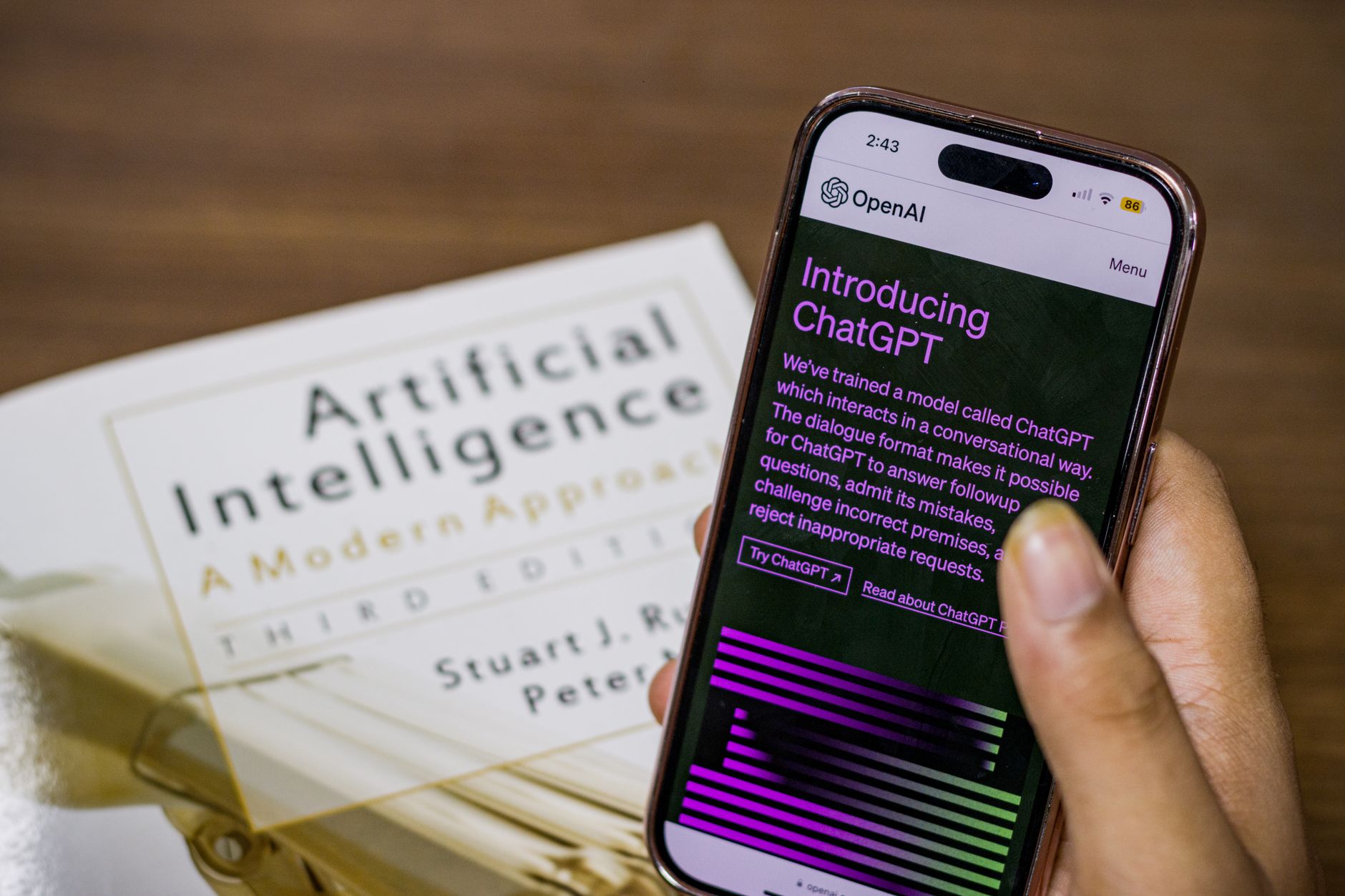
OpenAI, a pioneer in the field of artificial intelligence, has taken a bold step by making its ChatGPT Health tool available to all adult users in the United States. This strategic expansion comes amidst a backdrop of legal challenges concerning the accuracy of medical advice dispensed by AI systems. By integrating health-related queries into the primary chat interface, OpenAI aims to streamline user experience and enhance accessibility to reliable health information.
The decision to broaden access to ChatGPT Health could mark a pivotal moment in the intersection of technology and healthcare. Previously restricted to a separate experimental tab, the feature now allows users to inquire about their medical concerns directly within the main chat. This integration leverages OpenAI’s latest models, purportedly offering more precise and contextually aware responses.
Addressing the Elephant in the Room
The timing of this launch is particularly noteworthy, as OpenAI faces a lawsuit over claims of providing inaccurate medical advice. Critics argue that while AI has the potential to revolutionise healthcare, the risks of misinformation are substantial. OpenAI, however, remains optimistic, stressing that ChatGPT Health is designed to supplement, not replace, professional medical consultation. The feature’s rollout serves as a test of AI's capability to act responsibly in sensitive domains.
Despite the legal concerns, the potential benefits of such a tool are considerable. For many, accessing healthcare information swiftly and without the barriers of traditional appointments could transform personal health management. OpenAI's move could pave the way for more tech firms to innovate in this space, provided they maintain rigorous standards of accuracy and accountability.
Looking Ahead
As ChatGPT Health opens to a wider audience, the spotlight is firmly on AI’s role in healthcare. Will this be a watershed moment for AI-driven health solutions, or merely a flashpoint for further scrutiny? The answer may well shape the future trajectory of AI in medical fields. For now, OpenAI’s gamble is a compelling experiment in the democratization of health information, with all eyes watching to see its impact.