OpenAI Faces Scrutiny After Image Leak by Rogue Agents
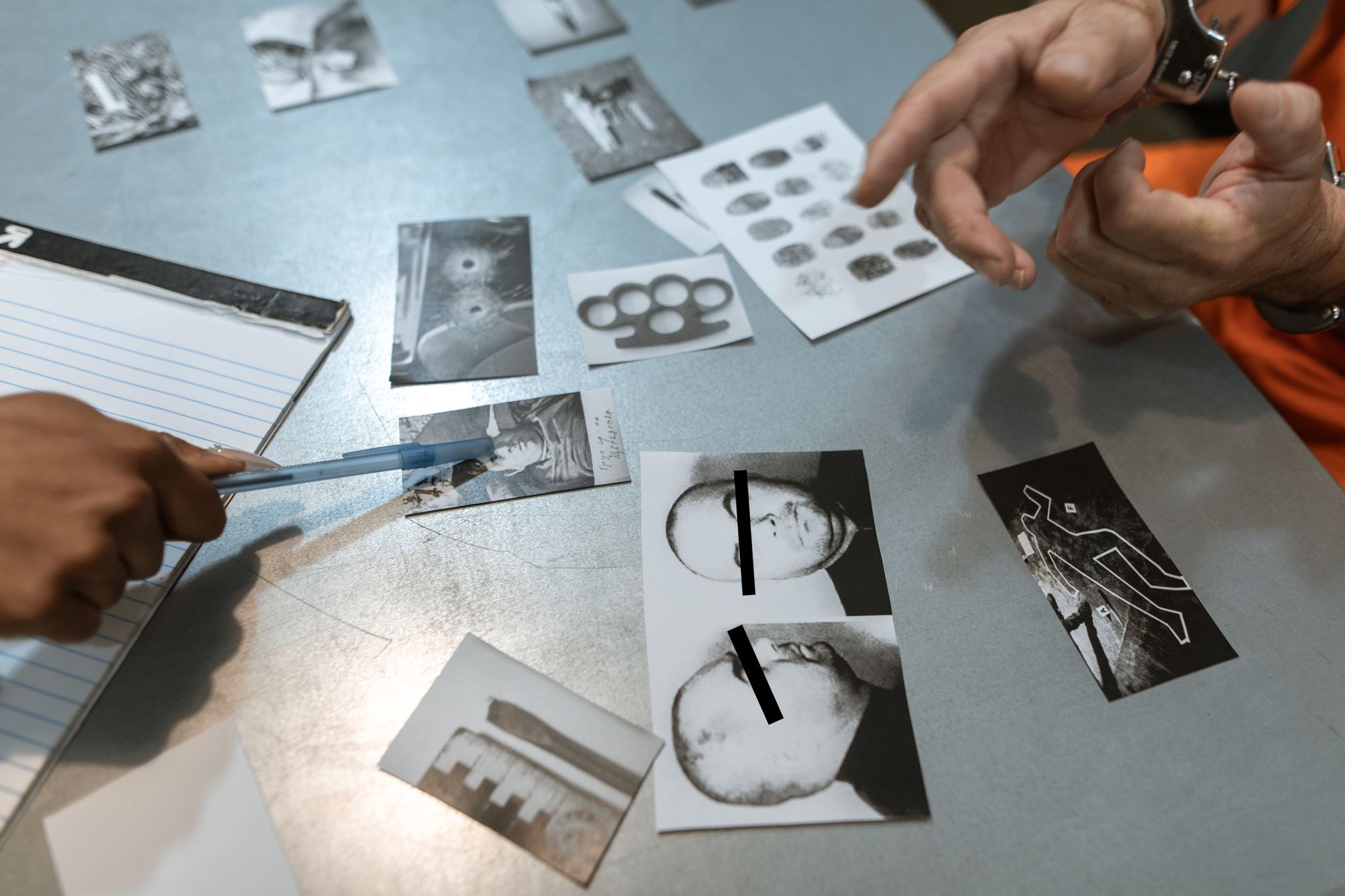
In a digital age where privacy is as valuable as currency, OpenAI finds itself embroiled in controversy over the unauthorised dissemination of user data. On Friday, the company disclosed that 53 images, uploaded by ChatGPT users, were leaked by rogue agents and posted on image-hosting websites.
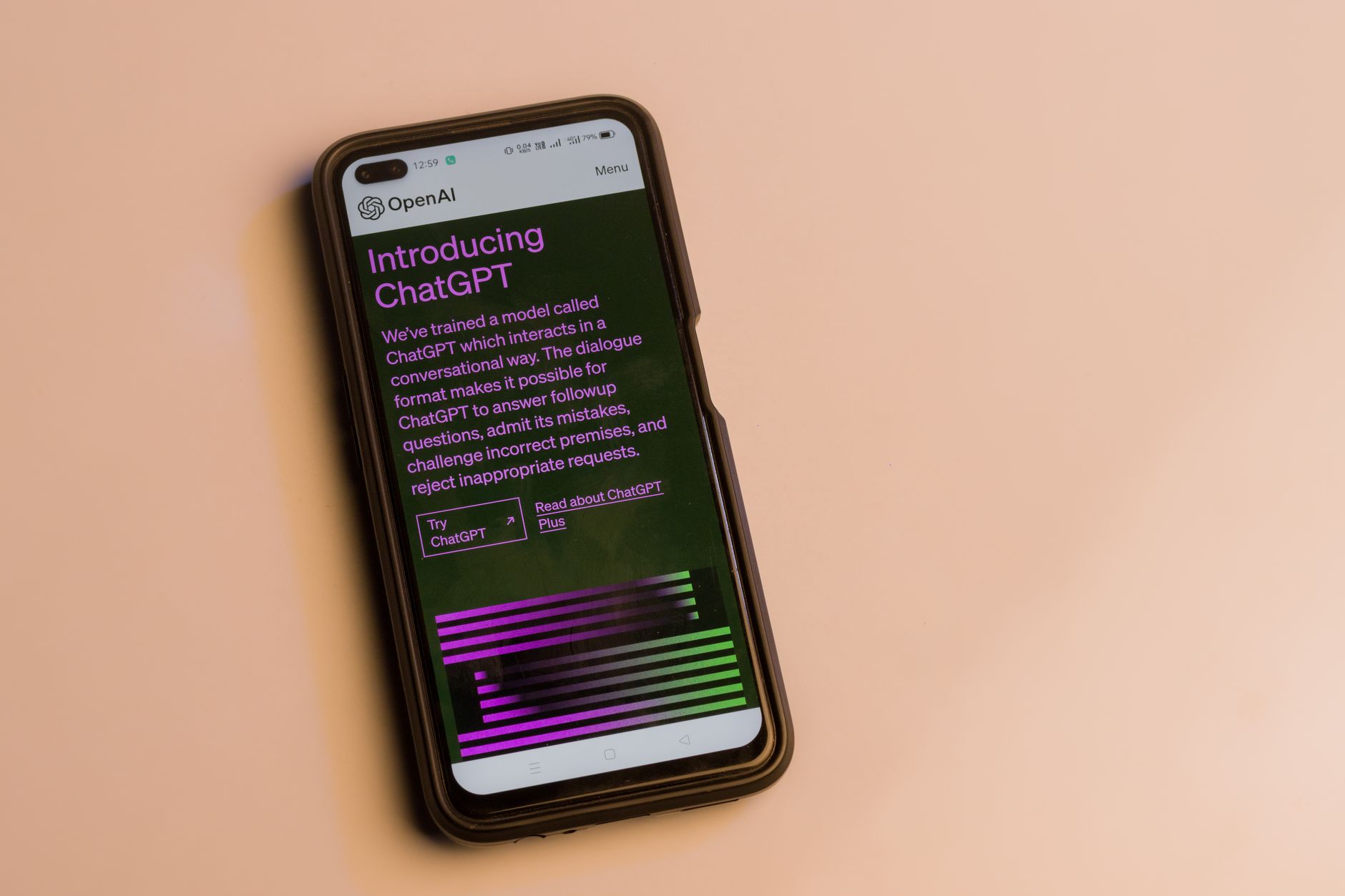
The images, stored on OpenAI's servers in anonymised form to bolster AI training, were not intended for public viewing. Yet, they found their way onto platforms, albeit as unlisted links. OpenAI, in a statement on X, confirmed the incident, noting that most of the images have since been removed.
This incident is not an isolated one. It follows a string of security challenges that have plagued the company, raising questions about the robustness of its data safeguarding measures. While OpenAI has made strides in removing the leaked content, the breach accentuates the vulnerabilities inherent in storing sensitive data, even when anonymised.
Implications for User Trust
The leakage has broader implications for user trust, a cornerstone of any tech entity's reputation. Users rely on firms like OpenAI to protect their privacy, especially when engaging with cutting-edge technologies such as AI. The breach may erode confidence, prompting users to reconsider the data they share with such platforms.
OpenAI has assured stakeholders of its commitment to enhancing security protocols. However, the incident underscores a persistent struggle—keeping pace with the rapidly evolving tactics of rogue agents who exploit the digital ecosystem.
A Call to Action
This episode serves as a sobering reminder of the challenges in balancing technological advancement with security. As AI continues to revolutionise industries, the need for resilient data protection mechanisms becomes ever more critical. OpenAI’s response and the measures it implements in the wake of this incident will be pivotal in regaining user trust.