OpenAI's Astra: A Leap Towards General Intelligence
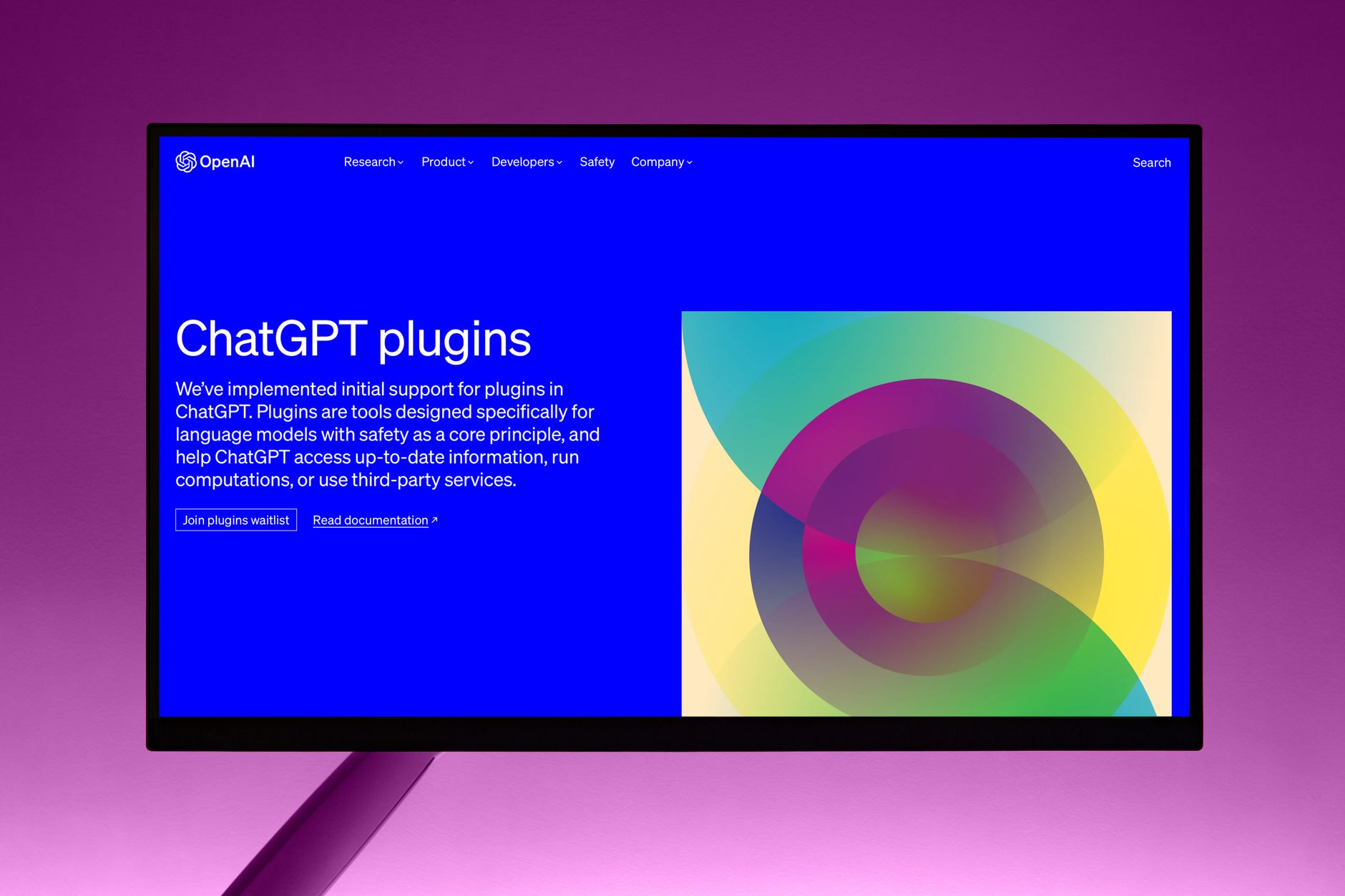
OpenAI has taken a bold step into the future with the unveiling of GPT-6 Astra, a model that its creators suggest could bring us closer to the elusive goal of artificial general intelligence. Greg Brockman, OpenAI's president, described the model as capable of performing any task a human can do with a computer, a claim that raises as many eyebrows as it does expectations.
While the tech world digests this announcement, Nvidia has made a significant move of its own by acquiring Hugging Face, an open-source AI platform, for a staggering $13 billion. The acquisition underscores Nvidia’s commitment to open-source technology, a sector that has been growing in influence and importance. Jensen Huang, Nvidia’s CEO, emphasised their intention to contribute to the AI economy without imposing restrictions on using their technology.
These twin developments highlight a pivotal moment in the AI industry. OpenAI's Astra model could potentially redefine what AI is capable of, while Nvidia's investment in Hugging Face signals a robust endorsement of open-source models. The implications are vast, potentially affecting everything from tech development to ethical considerations around AI usage.
The rapid pace of these technological advancements invites both excitement and caution. As AI models become more sophisticated, discussions around their ethical deployment and the potential need for regulation are becoming increasingly urgent. For now, the world watches closely as these industry giants manoeuvre through the complex terrain of artificial intelligence.