OpenAI's Bold Step: ChatGPT Ventures into Healthcare
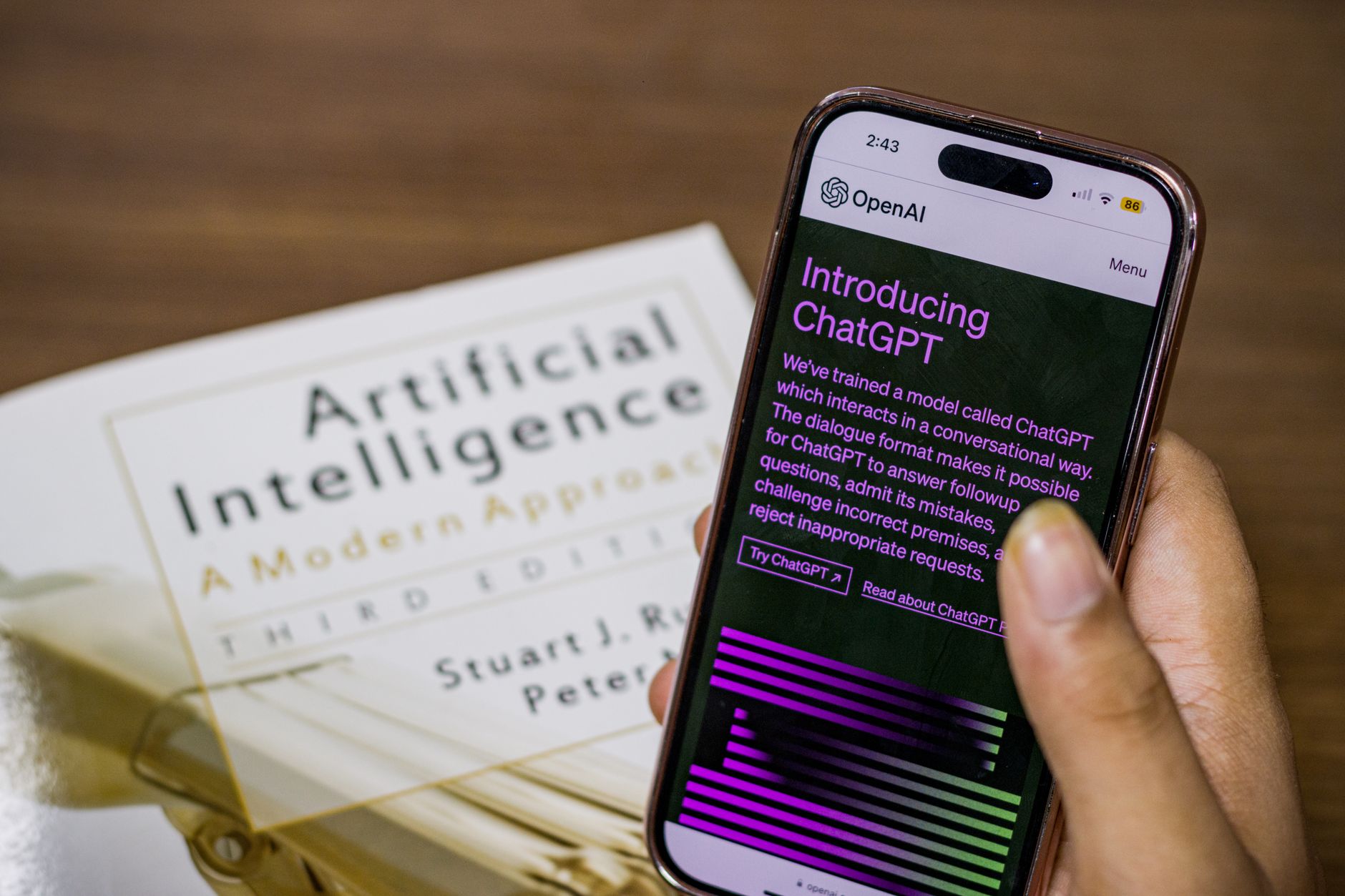
In a move that could redefine the intersection of technology and healthcare, OpenAI has rolled out its latest innovation, ChatGPT Health, across the United States. This new feature allows users to link their medical records and health-tracking apps directly to the AI, promising to offer insights grounded in personal health data.
OpenAI's vice president of health product, Ashley Alexander, describes this as a dedicated space within ChatGPT for health conversations. The intent, she asserts, is not to supplant medical professionals but to assist users in navigating their healthcare requirements more effectively. By integrating personal health data, the chatbot aims to provide more precise and relevant advice.
However, the launch is not without its detractors. Privacy advocates have raised alarms over the potential risks associated with storing sensitive health data in an AI system. The encryption and security measures promised by OpenAI are under scrutiny, as campaigners demand assurances that patient data will remain confidential and protected from breaches.
The introduction of ChatGPT Health marks a significant shift for OpenAI, signalling its intentions to make healthcare a central focus of its business strategy. The company is also working on a version of ChatGPT tailored specifically for medical professionals, highlighting its commitment to integrating AI into the healthcare sector.
While the potential benefits of such technology are considerable, including enhanced patient engagement and more informed health management, the ethical implications cannot be ignored. The challenge for OpenAI will be to balance innovation with responsibility, ensuring that the deployment of AI in healthcare is both secure and trustworthy.