Orionid Meteor Shower: A Celestial Spectacle Awaits
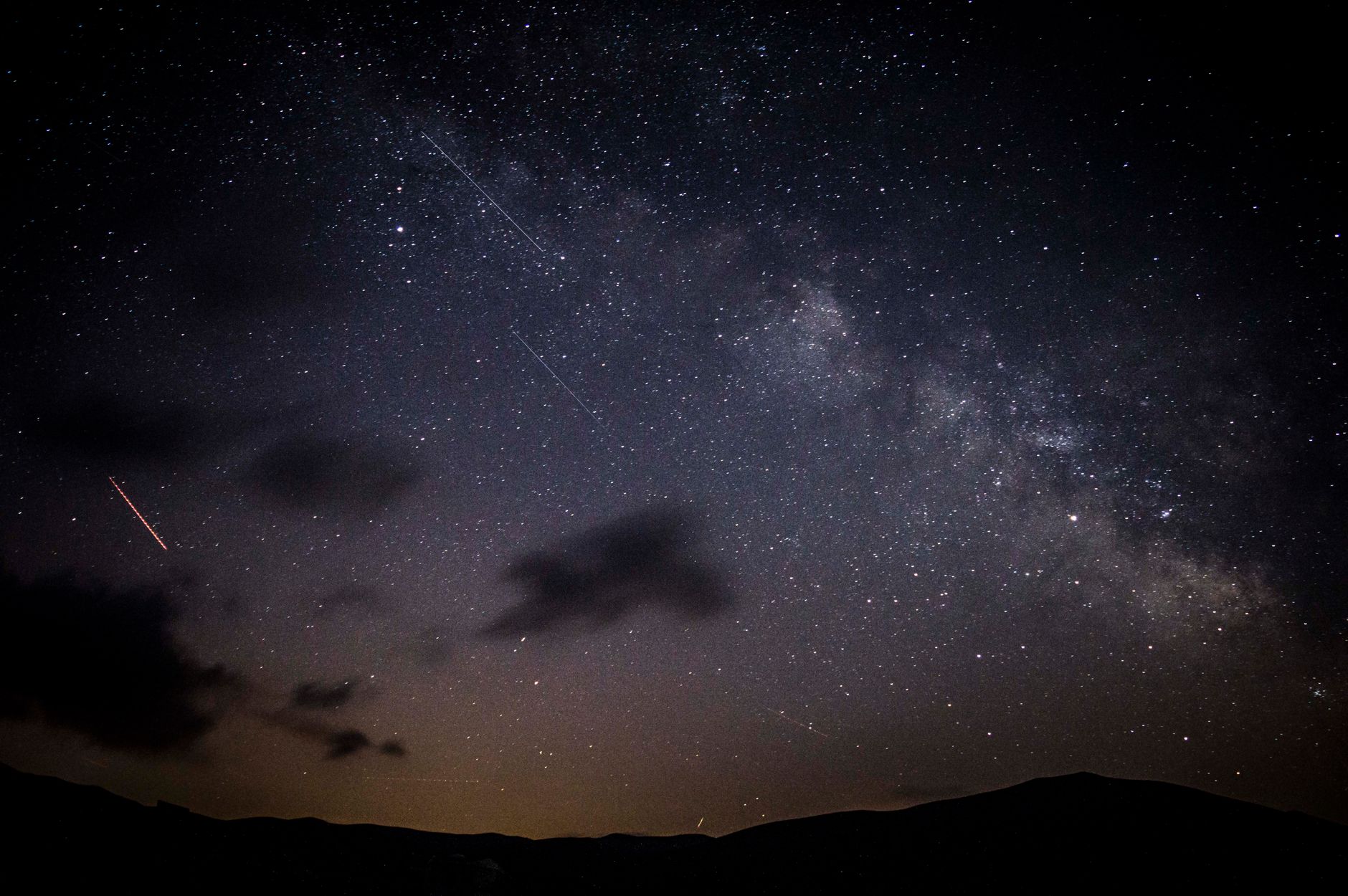
Each year, as the leaves turn and the nights stretch longer, the Orionid meteor shower graces our skies, offering a spectacular reminder of our planet's cosmic journey. This celestial event, tied to the famed Halley's Comet, is set to peak on the night of October 21st, continuing into the early hours of October 22nd.
The Orionids are known for their speed, zipping through the atmosphere at a remarkable 66 kilometres per second. These meteors, although originating from the direction of the Orion constellation, can light up any part of the sky, making them a delight for both amateur and seasoned astronomers. While the meteors might appear as fleeting sparks to the naked eye, they represent a grand celestial dance, a testament to the dynamic nature of our solar system.
Best Viewing Practices
For those aiming to catch a glimpse of this cosmic performance, experts suggest finding a location away from city lights. A reclining chair, a warm blanket, and patience are your best companions. As your eyes adjust to the darkness, you'll stand a chance to see up to 20 meteors per hour under optimal conditions.
Unlike the predictable fireworks of human festivals, meteor showers are inherently spontaneous. Each streak across the sky is a tiny piece of cosmic debris burning up as it enters Earth's atmosphere, a brief but brilliant end to a journey that began eons ago.
Understanding the Orionids
The Orionid meteors are remnants of Halley's Comet, which orbits the sun approximately every 76 years. As Earth crosses the comet's orbital path, these dust and ice particles collide with our atmosphere, creating the fiery trails we observe. This annual encounter serves as a poignant reminder of our planet's place in the vast, swirling cosmos.
For those who miss the Orionids, fear not. The night sky holds many more wonders, with the Leonids and Geminids still to come this year. But for now, spare a moment to gaze upwards and ponder the ancient origins of the shooting stars.