Orionid Meteor Shower: Witness the Celestial Spectacle of Halley's Comet
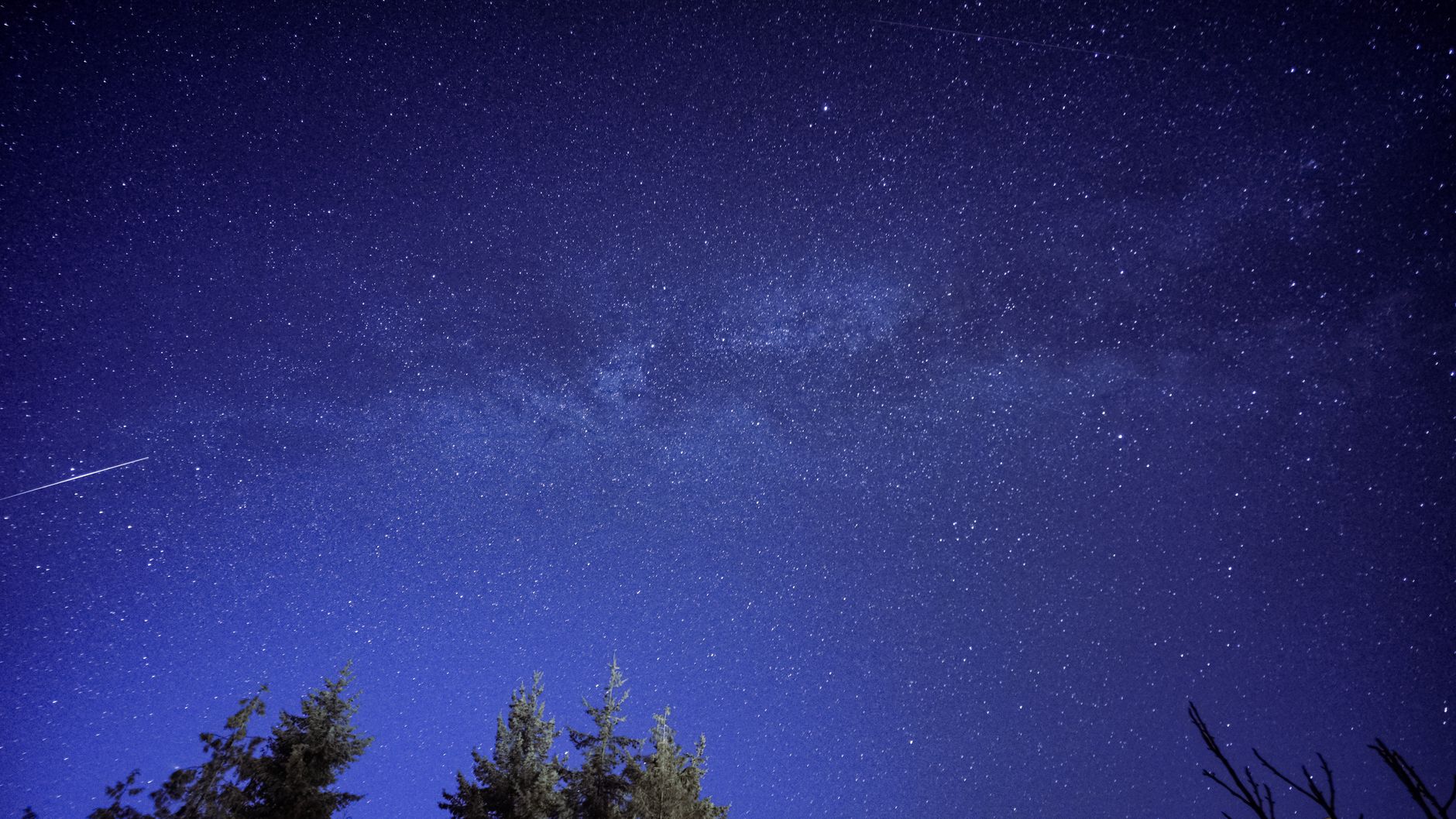
When Halley's Comet last graced our skies in 1986, it marked a fleeting spectacle, one not to be seen again until 2061. Yet, each October, we are treated to a celestial encore of sorts, courtesy of the Orionid meteor shower. This annual display, peaking on the nights of October 21-22 in 2026, promises a dazzling show of cosmic debris streaking across the heavens.
Originating from the debris left behind by Halley's Comet, the Orionids are a reminder of the comet's grandeur. As Earth passes through this debris field, meteors flare up when they collide with our atmosphere at a staggering speed of 41 miles per second. At its peak, the Orionid shower can produce between 10 to 20 meteors per hour, making it a must-see event for stargazers around the world.
Best Viewing Practices
For those keen on witnessing this celestial event, timing and location are crucial. The best viewing window is during the pre-dawn hours, roughly between 4:40 and 5:40 a.m. Away from the city lights, under a clear, dark sky, spectators will have the optimal conditions to catch a glimpse of these fiery streaks.
While the shower is visible from both hemispheres, those in rural areas far from artificial lights will have the best experience. Patience is a virtue; allow yourself ample time to adjust to the darkness and keep an eye on the eastern sky.
Why the Orionids Matter
The Orionid meteor shower is more than just a visual spectacle. It serves as a tangible connection to Halley's Comet, an astronomical phenomenon that has fascinated humans for centuries. Each meteor is a fragment of the comet itself, offering us a rare opportunity to witness the remnants of ancient cosmic wanderers.
As we look up, we are reminded of our place in the universe, the vastness of space, and the enduring allure of the night sky. Whether you're an avid astronomer or a casual observer, the Orionid meteor shower invites you to pause, look up, and marvel at the wonders beyond our world.