Owaisi Criticises Hijab Verdict, Questions Vande Mataram Politics
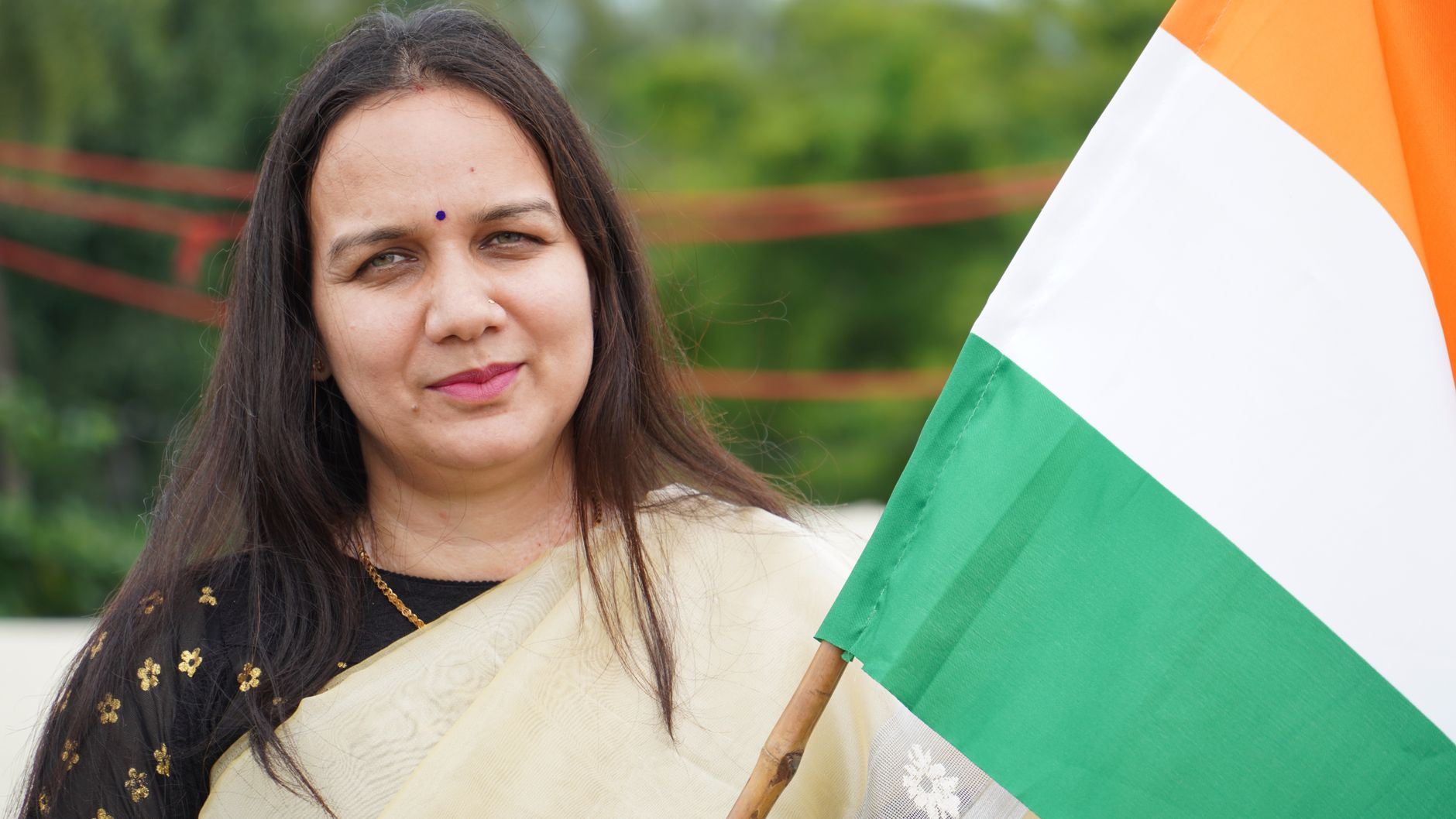
In a sharp rebuke to recent developments, Asaduddin Owaisi, the President of the All India Majlis-e-Ittehad-ul-Muslimeen (AIMIM), has criticised the Allahabad High Court's ruling on the hijab in schools. Owaisi's comments, delivered with characteristic fervour, have stirred a hornet’s nest within the political landscape of India.
The court's decision, which has been seen by some as a means to enforce uniformity, was labelled by Owaisi as an affront to the country’s pluralistic ethos. ‘A hijab-wearing daughter can be Prime Minister too,’ he declared, hinting at a broader vision of leadership that transcends religious attire.
Political Reactions
Owaisi did not stop there. He pointedly accused some political quarters of attempting to dilute the original spirit of the Indian Constitution. This, he suggested, was part of a larger agenda to impose a singular cultural narrative, symbolised by the push for 'Vande Mataram' as a compulsory patriotic expression.
His remarks have predictably drawn sharp rebukes. Majeed Memon of the Nationalist Congress Party (NCP) dismissed Owaisi’s stance as mere posturing to garner votes. Yet, the AIMIM leader's rhetoric resonates with a segment that feels increasingly marginalised in the current political climate.
A Call for Inclusivity
Owaisi's outburst is more than a reactionary moment; it is a clarion call for an inclusive and diverse political framework. His vision, which champions the rights of minorities, challenges the narrative that seeks to define patriotism in narrow terms. By invoking the possibility of a hijab-clad Prime Minister, Owaisi is not just engaging in rhetoric; he is staking a claim for a more inclusive future.
This incident not only highlights the ongoing tensions surrounding cultural identity in India but also underscores the need for dialogue on how the nation’s diverse fabric can be upheld amid rising polarisation. As the debate rages on, the challenge remains: can India embrace its diversity as a strength rather than a point of division?