Oxford Scientists Unravel Moon's Two-Faced Mystery
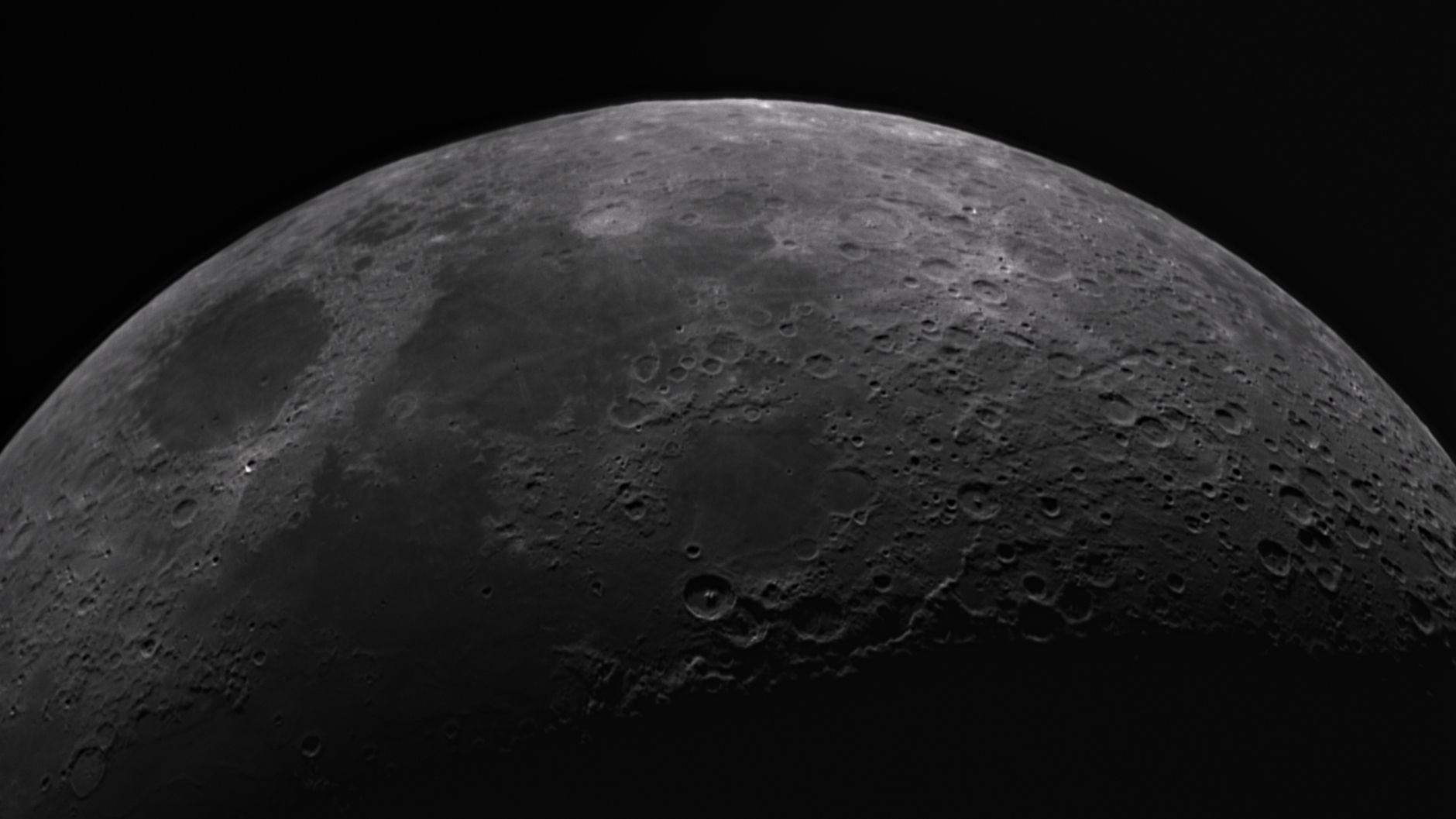
The Moon has always been a source of fascination and intrigue. Now, scientists at the University of Oxford believe they have finally cracked the conundrum of its dichotomous faces. For decades, astronomers have been puzzled by the stark contrast between the Moon's near side, peppered with dark plains known as maria, and its far side, which is markedly lighter and cratered.
Oxford researchers propose that this disparity is a result of ancient volcanic activity and crustal dynamics. It appears that the near side's volcanic plains are remnants of massive basins filled with basalt, while the far side's thinner crust was less conducive to such activity, leaving it with a more cratered appearance.
Peering Back in Time
This revelation not only enhances our understanding of lunar geology but also offers a glimpse into the Moon's tumultuous past. By studying the isotopic composition and distribution of elements across the lunar surface, scientists have pieced together a narrative that speaks of colossal impacts and volcanic eruptions that shaped the lunar landscape we observe today.
These findings challenge previous assumptions that the Moon's dichotomy was merely a surface phenomenon. Instead, they suggest a deep-seated geological history that has influenced its evolution over billions of years.
Implications for Future Exploration
Understanding the Moon's geological history is crucial for future lunar missions. As nations eye the Moon for potential bases and mining operations, knowledge of its surface composition and structural integrity becomes increasingly important. Moreover, these insights could aid in interpreting the geological histories of other celestial bodies.
While the Moon continues to hold its secrets close, the efforts of the Oxford team bring us a step closer to unveiling the mysteries of our nearest neighbour. This research not only satisfies scientific curiosity but also sets the stage for a new era of lunar exploration.