Paper Straws: A Toxic Eco-Faux Pas?
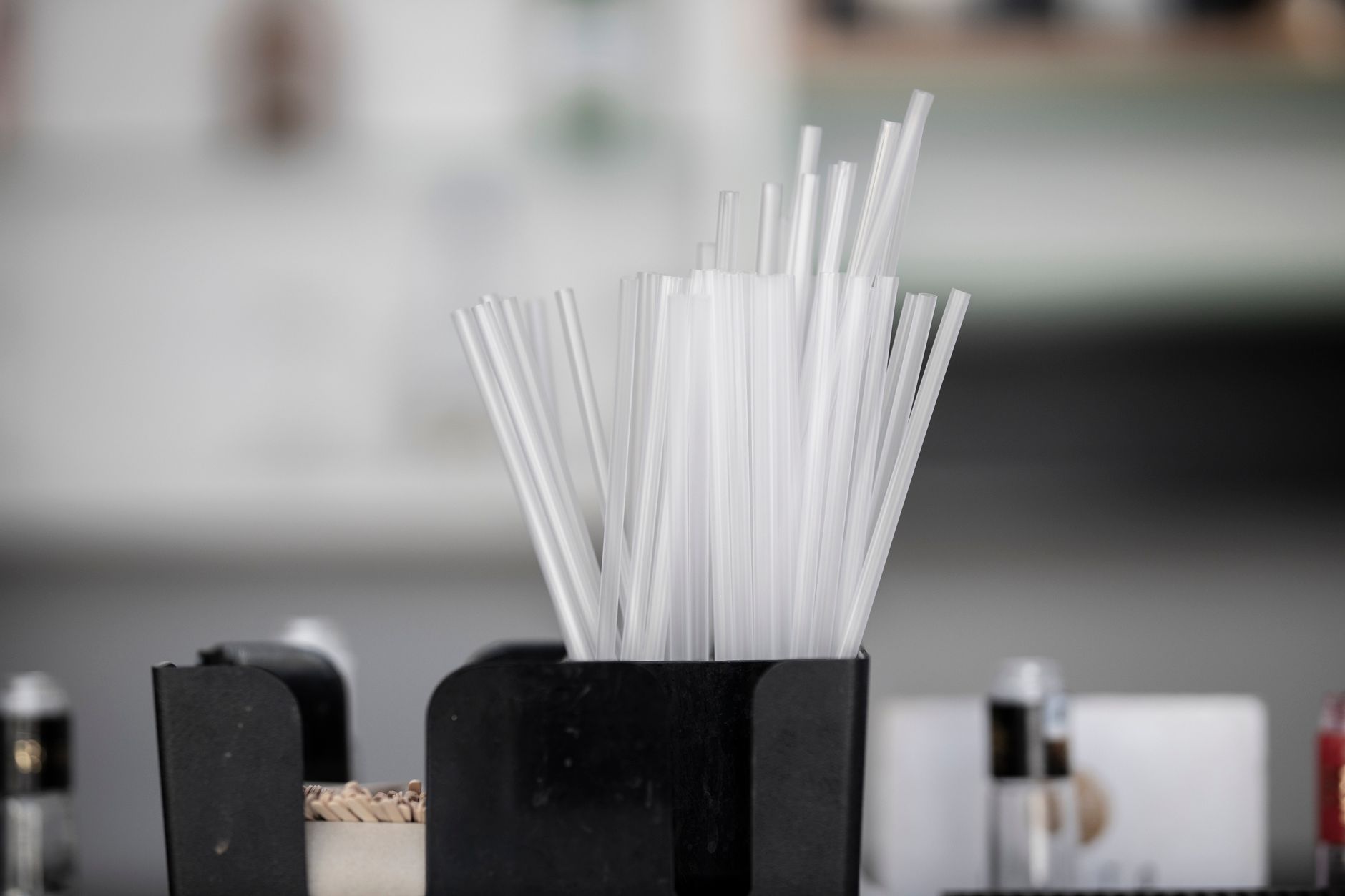
In the fervent quest to banish plastic from our daily lives, paper straws have surged to fame as the poster child of eco-friendliness. Yet, a recent study from Belgium paints a rather different picture, suggesting that these seemingly green alternatives might be more harmful than their plastic predecessors.
The study, conducted by researchers at the University of Antwerp, discovered that paper straws often contain per- and polyfluoroalkyl substances (PFAS), chemicals notorious for their persistence in the environment and potential health risks. Dubbed 'forever chemicals,' PFAS are resistant to breakdown, making them a long-term contaminant.
The Chemical Conundrum
Dr. Thimo Groffen, an environmental scientist involved in the research, explained that PFAS were detected in several plant-based straws, including those made from paper and bamboo. By contrast, plastic straws, often criticised for their environmental impact, surprisingly showed no measurable amounts of these chemicals.
PFAS are widely used in manufacturing for their water and grease-resistant properties. However, their presence in supposedly sustainable alternatives like paper straws raises significant concerns over their environmental credentials. It appears that the very materials heralded as eco-friendly might be contributing to a different kind of pollution.
Rethinking Sustainability
The findings come as a blow to the campaign against plastic, urging a reconsideration of what truly constitutes an eco-friendly product. The small size of straws, irrespective of their material, complicates recycling efforts, often resulting in them ending up in landfills or as litter.
While the intention behind adopting paper straws was noble, the revelation of their chemical composition suggests a need for a more nuanced approach to sustainability. As we navigate the complex landscape of ecological responsibility, this study serves as a reminder that not all that glitters is green.