Parliament's New Ghostwriters: AI's Role in Political Speeches
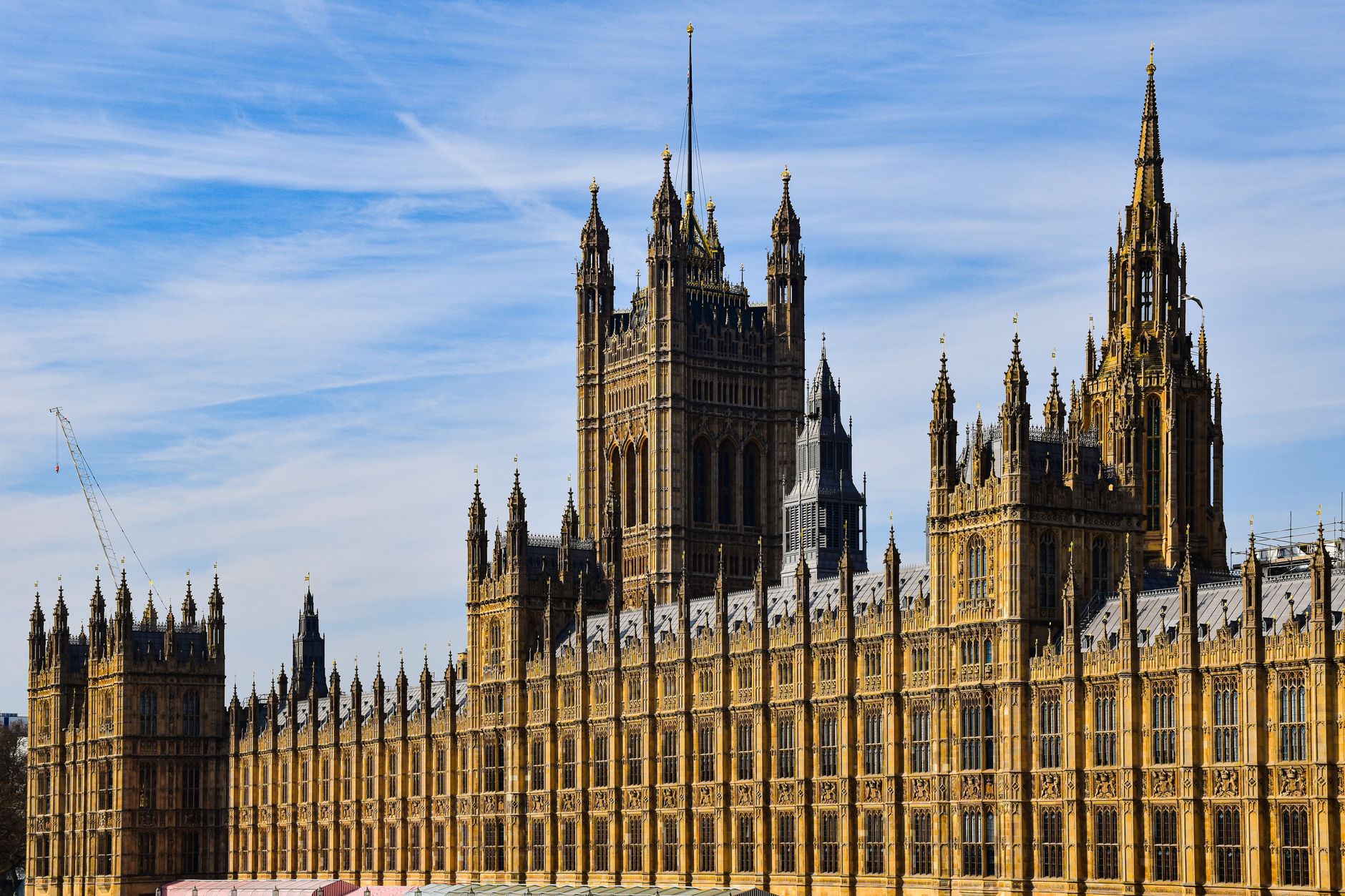
It used to be said that the pen is mightier than the sword, but in today's British Parliament, it seems the keyboard — or rather the algorithm — is the true power behind the podium. A recent analysis has revealed that AI is now responsible for crafting one in ten words spoken in parliamentary debates, a stark increase from the nearly negligible usage just a few years ago.
This technological shift is most pronounced among the fresh faces in Parliament, elected in 2024, who have embraced AI as a convenient tool for drafting speeches. Neil Shastri-Hurst, a Conservative MP, stands out in this regard, with three-quarters of his contributions over the past year flagged as AI-written. This raises questions about the authenticity and transparency of political communication.
The AI Influence
The growing use of AI in political speechwriting reflects a broader trend across Western democracies. Researchers have noted a similar increase in AI usage in Swedish politics. The allure of AI lies in its efficiency, allowing MPs to generate content swiftly, tailored to resonate with their audience. However, this convenience comes at a cost. The absence of disclosure to voters about AI-generated content raises ethical concerns.
While more than half of British MPs reportedly remain sceptical of AI for their speeches, those who do utilise it tend to be prolific. These AI-assisted speeches are crafted to be polished and persuasive, yet they lack the human touch that can make political discourse relatable and genuine.
Transparency and Trust
The rise of AI in politics poses a challenge to the principles of transparency and accountability. Voters deserve to know who — or what — is behind the words that shape public policy and debate. As AI continues to advance, the lines between human and machine-crafted rhetoric blur, complicating the narrative of democratic engagement.
As the debate over AI's role in politics intensifies, the question remains: should MPs disclose the use of AI in their speeches? As technology becomes an ever more integral part of political life, the need for clear guidelines and ethical standards becomes paramount to maintain trust in the democratic process.