Penn State's Insect-Inspired Digital Brain for Drones
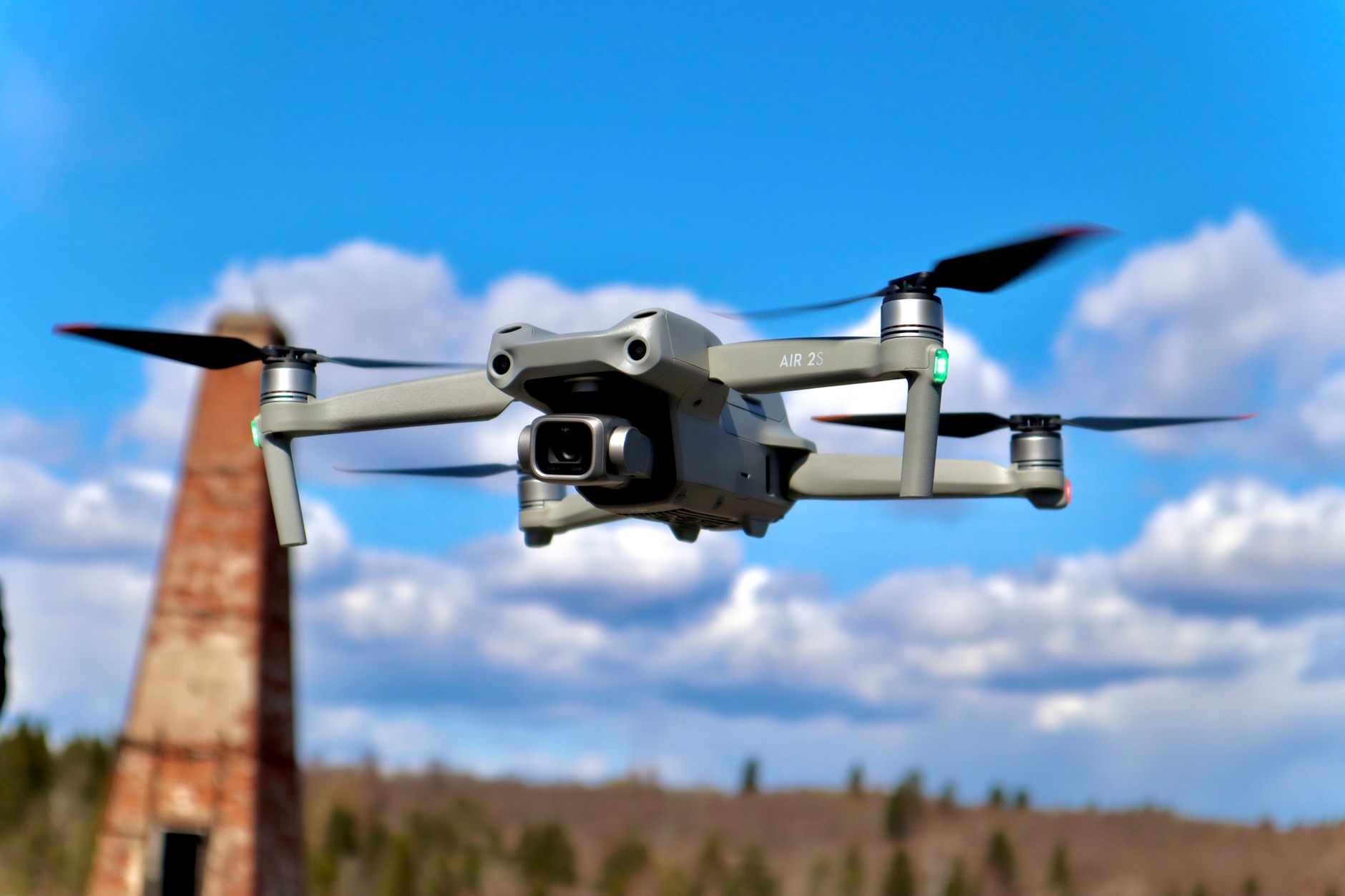
In a bold leap into the future of autonomous flight, scientists at Penn State University are crafting a 'digital brain' for drones. This ambitious $12 million project takes its cues not from the cutting-edge technology of today, but from the natural world. Specifically, the modest yet efficient neural systems of insects.
The project, led by a team of engineers including Saptarshi Das, Wooram Lee, and Ram Naranyan, seeks to emulate the way insects make decisions. Unlike humans, these creatures operate with limited information, yet their decision-making processes are remarkably effective.
Funding from the U.S. Army Research Laboratory underscores the potential military applications of this technology. The aim is to imbue drones with the ability to process information onboard, akin to how insects filter and detect coincidences in their environment.
A Natural Wonder
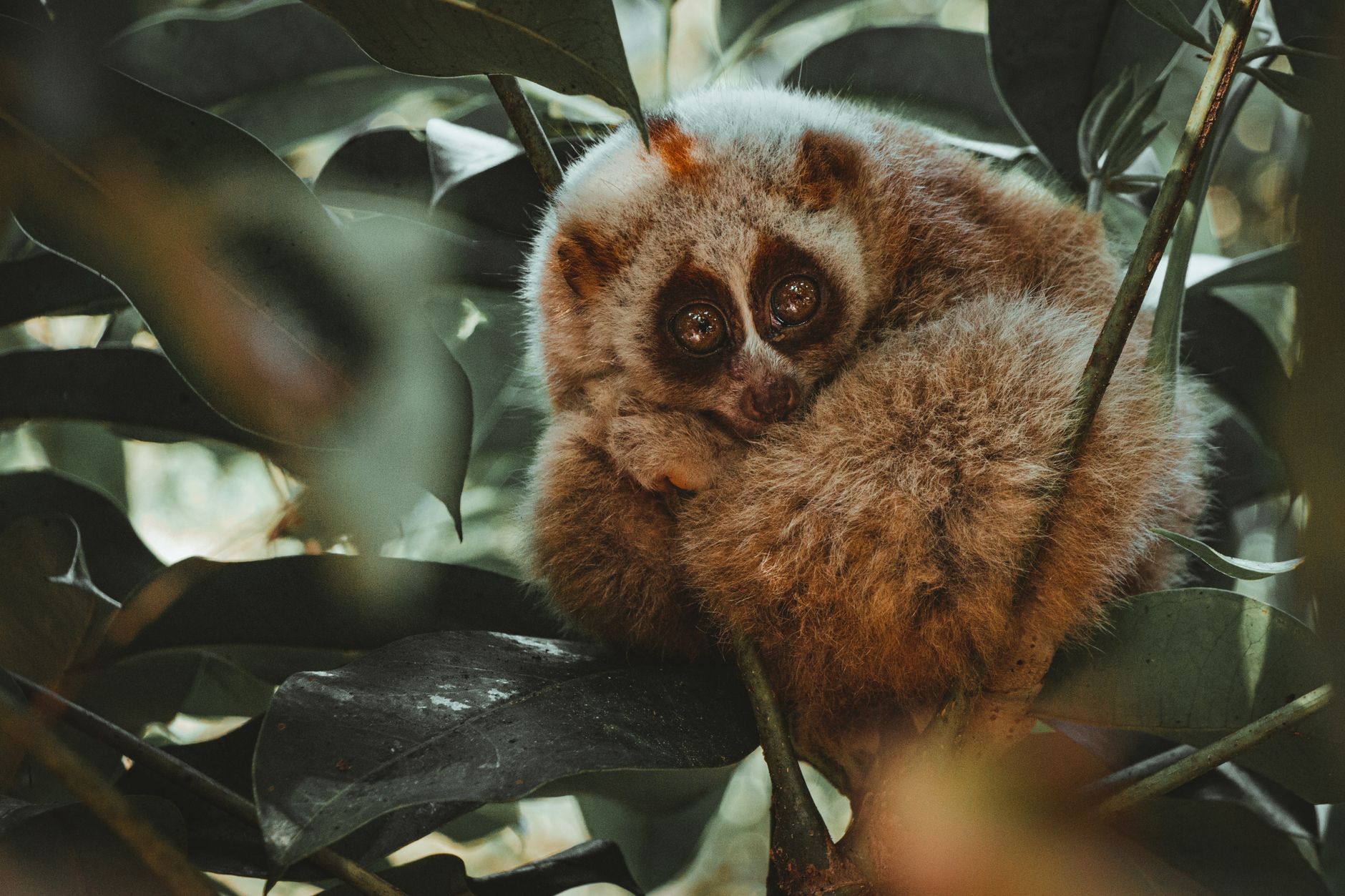
Insects, with their small but sophisticated brains, have long fascinated scientists. Despite their simplicity, these brains are capable of complex behaviours, from foraging to evasion. By understanding and replicating these processes, the Penn State team hopes to enhance the decision-making capabilities of drones, making them more autonomous and efficient.
The project utilises analogue computing and advanced materials like graphene to mimic these biological processes. This approach could allow drones to make swift, smart decisions in the field, even with limited data.
Implications for the Future
If successful, this research could have far-reaching implications. Beyond military uses, commercial applications could see drones becoming more adept at tasks like delivery services or agricultural monitoring. The technology promises to cut down on the need for constant human oversight, potentially transforming industries reliant on drone technology.
Though still in its early stages, the annual demonstrations of evolving prototypes offer a glimpse into what the future holds. As the project progresses, it could set the stage for a new era in autonomous flight technology, one inspired by the natural efficiency of the insect world.