Pennsylvania's Environmental Guardianship: A Legacy in Peril
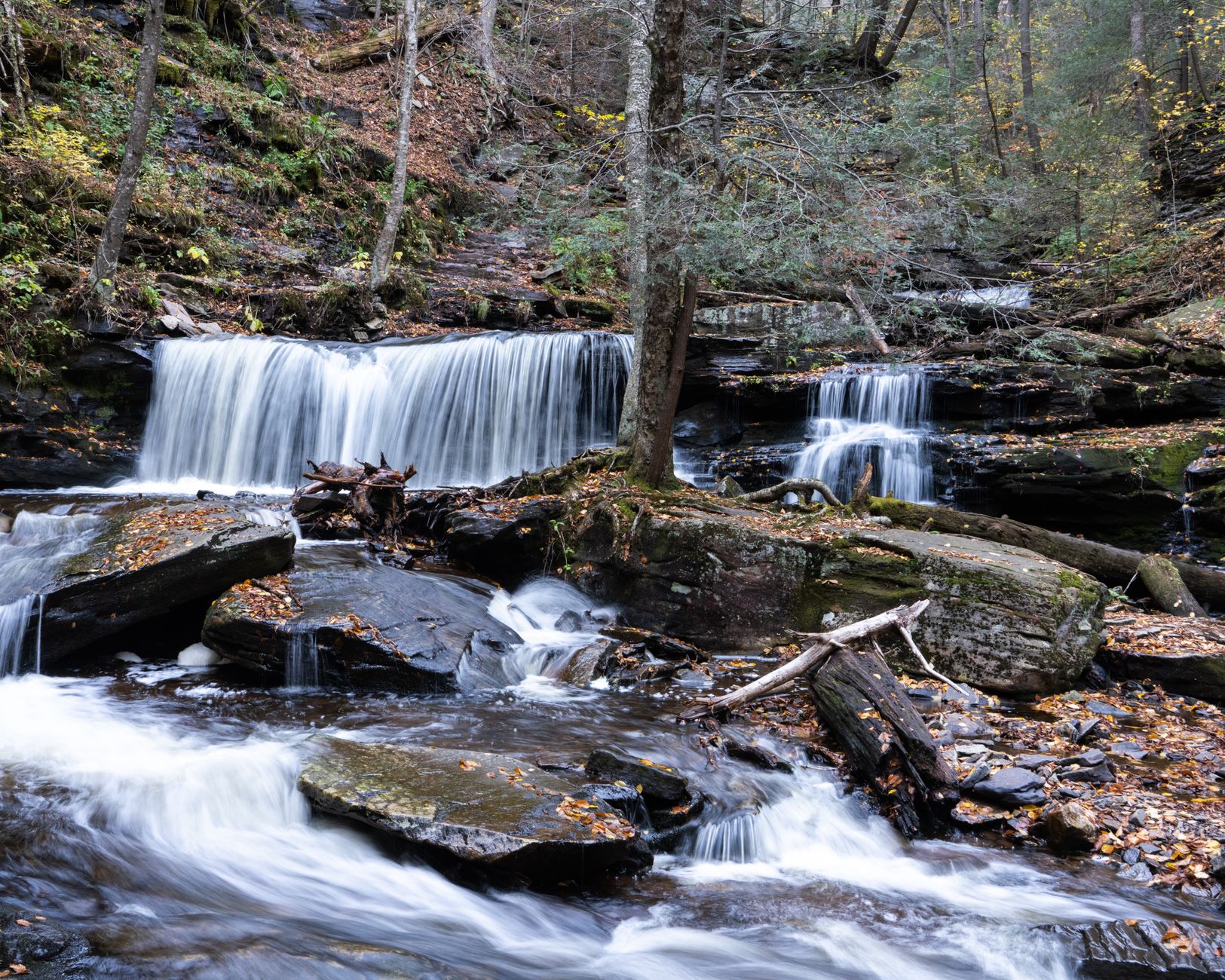
Amid the gentle rolling hills and lush forests of Pennsylvania, a battle is quietly unfolding. It is not one fought with swords or cannons, but with legislation and policy. The state's promise to its citizens, etched into its constitution, is to protect the natural resources that define its landscape. Yet, this noble commitment is under siege.
For decades, Pennsylvania has been a vanguard in environmental stewardship, recognising that its public natural resources are the common property of all its people, including generations yet unborn. This ethos is enshrined in the Environmental Rights Amendment, a powerful testament to the state's dedication to conservation.
The Struggle for Balance
However, the reality on the ground is a complex tapestry of competing interests. On one hand, there is the undeniable need for economic development, often seen as crucial for the prosperity of local communities. On the other, there are the fundamental rights of citizens to enjoy clean air, pure water, and the preservation of scenic and historic values.
This tension between economic growth and environmental preservation is not unique to Pennsylvania, but it is acutely felt here. The state's industries, from coal mining to natural gas extraction, have historically been pillars of its economy. Yet, these activities pose significant risks to the environment, necessitating a delicate balance between exploitation and protection.
Legislative Safeguards
The role of the Commonwealth as a trustee of these resources is to ensure their conservation. However, critics argue that the current legislative framework is inadequate to address the growing environmental challenges. They call for stronger laws and more robust enforcement mechanisms to prevent further degradation of natural habitats.
In this context, the role of public awareness and civic engagement cannot be overstated. Grassroots movements and non-governmental organisations are increasingly vocal, advocating for policies that prioritise environmental health over short-term economic gain. They are the watchdogs, ensuring that the state's promises are not merely words on paper, but actions that manifest in real-world outcomes.
Ultimately, the question remains: can Pennsylvania honour its environmental commitments while fostering economic growth? The answer lies in finding innovative solutions that transcend traditional dichotomies, ensuring that the state's natural treasures are preserved for those who will inherit the earth long after we are gone.