Physicists Unravel the Mystery of Matter's Glue After Five Decades
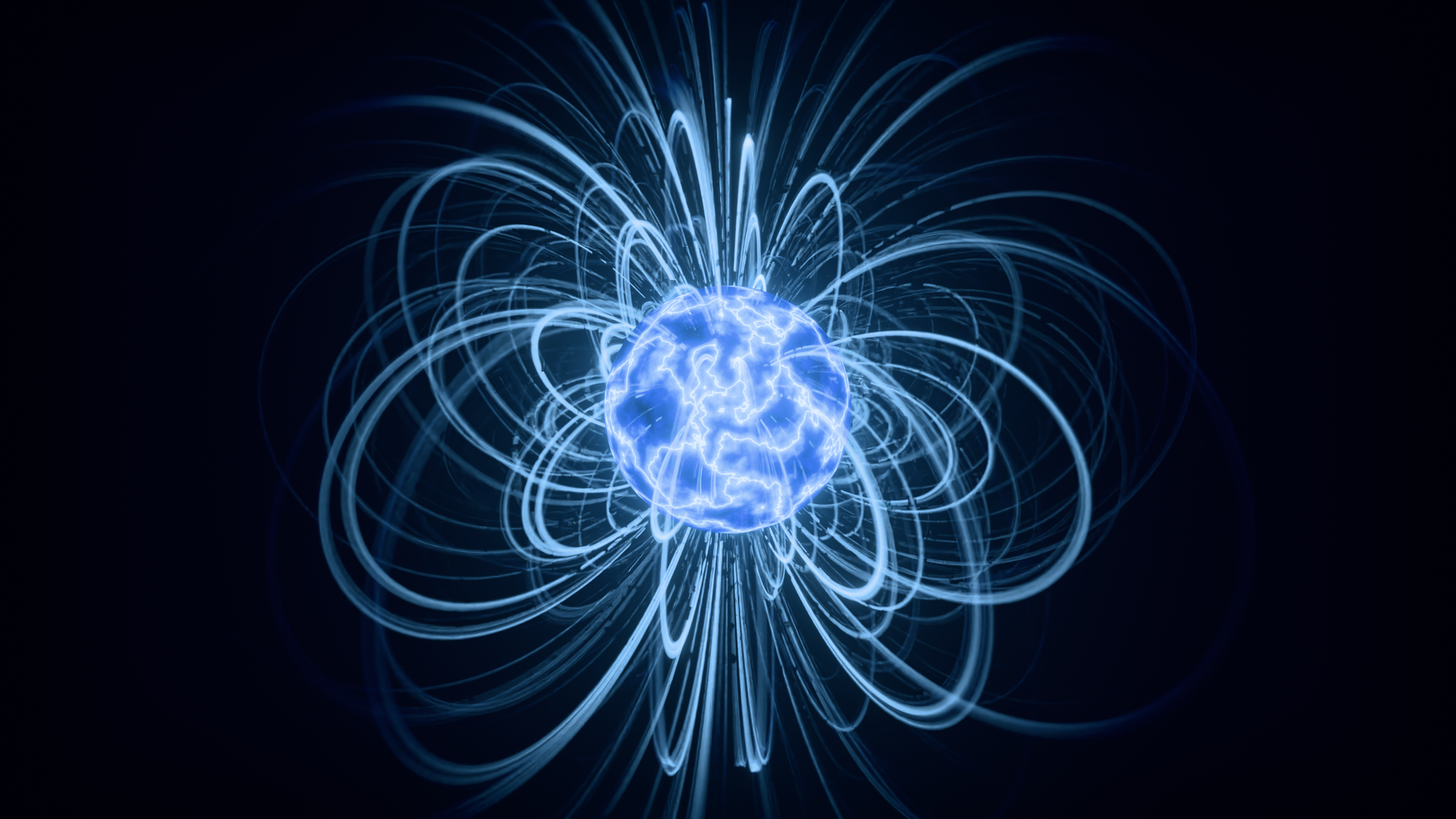
In a discovery poised to reshape the foundations of particle physics, researchers have unearthed compelling evidence of glueballs, exotic particles that may hold the key to understanding what binds matter together. This breakthrough answers a question that has puzzled scientists for half a century: what exactly is the force that keeps protons and neutrons within an atomic nucleus?
At the heart of this revelation is the work conducted by the Beijing Spectrometer III collaboration, which has provided the strongest evidence yet that glueballs, dominated by their gluon components, indeed exist in nature. Gluons, as subatomic particles, are known for their formidable role in binding quarks together, but their role in forming glueballs adds a new dimension to our understanding.
The implications of this discovery are far-reaching. By affirming the existence of glueballs, scientists are closer to unravelling the mysteries surrounding baryon-number conservation, a principle that ensures the distinction between matter and antimatter. This principle is critical, as it accounts for the apparent stability of protons, a cornerstone of matter as we know it.
Moreover, the existence of glueballs may provide insight into the enigmatic nature of dark matter, the invisible glue believed to hold the universe together. For decades, dark matter has eluded direct detection, despite being thought to compose a significant portion of the universe's mass.
While the discovery of glueballs promises to illuminate several dark corners of particle physics, it also opens new avenues for research. Scientists are eager to explore the potential connections between glueballs, axions, and other hypothetical particles that could redefine our understanding of the universe's structure.
As physicists continue to probe the subatomic realm, this latest finding serves as a reminder of the endless possibilities that lie within the microscopic building blocks of the cosmos. The journey to understand the universe is far from over, but with each discovery, we inch closer to comprehending the intricate web that holds it all together.