Physicists Unveil Peculiar Quantum State: The Fractional Fermi Sea
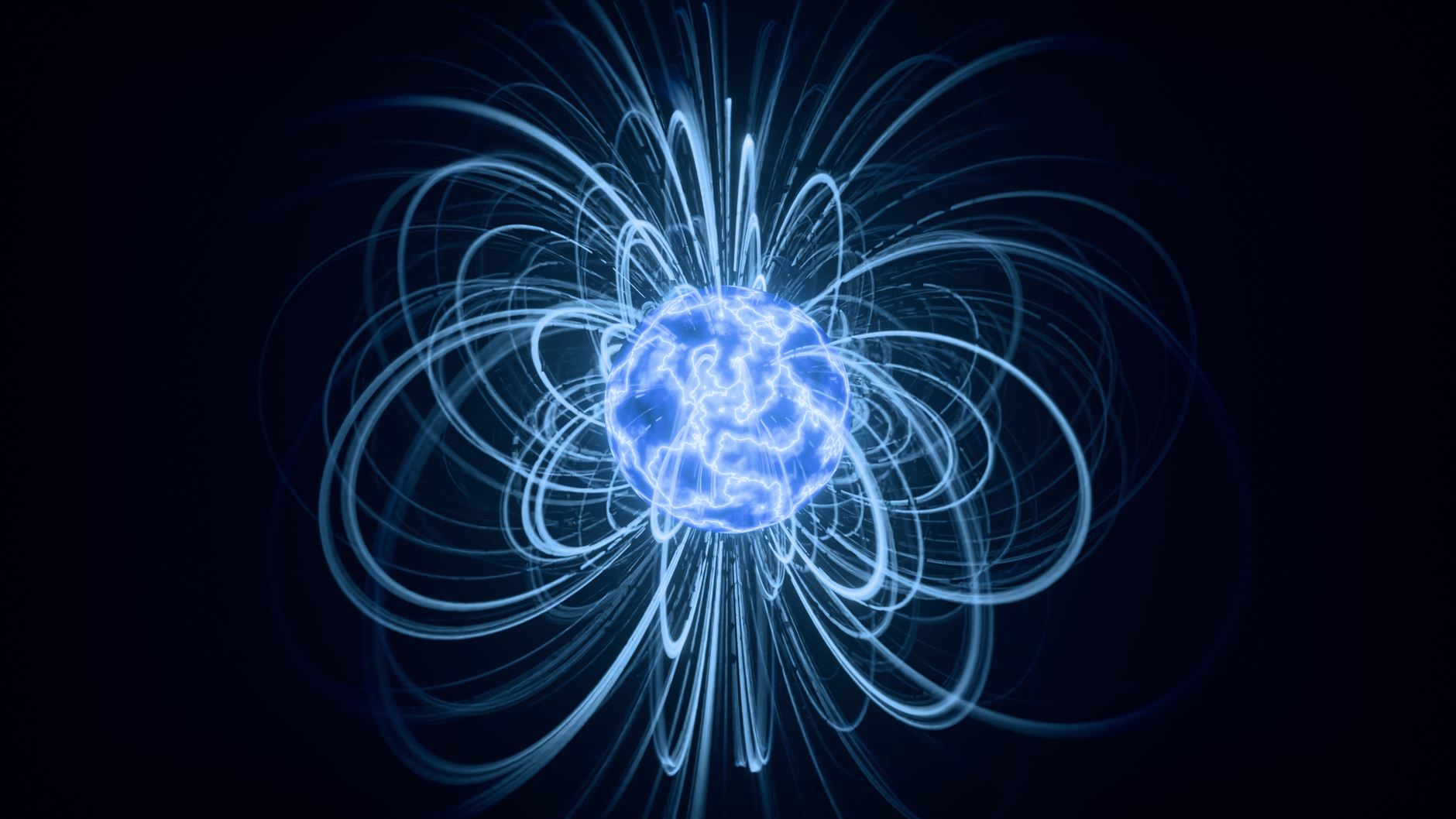
In the realm of quantum physics, where the bizarre often becomes the norm, scientists have succeeded in identifying a peculiar state of matter—dubbed the 'fractional Fermi sea'. This new state challenges our traditional understanding of atomic organisation, presenting a configuration that is both highly excited and remarkably orderly.
The discovery was made by researchers Weiguo Yin and Alexei Tsvelik, who were investigating a model of magnetic material known as a ferrimagnet. Their observations revealed a situation that seemed paradoxical: a material that appeared both frozen in time and yet, somehow, burning with energy.
The Quantum Oddity
At the centre of this phenomenon are ultracold rubidium atoms. When cooled to near absolute zero, these atoms form what is known as a Bose-Einstein Condensate (BEC), a form of matter where individual atoms act as a single quantum entity. However, in this instance, the atoms arranged themselves into a 'fractional Fermi sea', a state previously only dreamt of in theoretical physics.
This configuration defies the typical behaviour expected of quantum particles, which generally settle into predictable patterns. Instead, it offers a tantalising glimpse into a world where the rules we know do not apply, and where the bizarre becomes routine.
Implications and Future Prospects
The implications of this discovery are profound. Understanding these states could eventually lead to advancements in quantum computing and materials science. Just as the discovery of the 'time crystal' expanded the horizons of quantum mechanics, this new state could unlock further mysteries of the quantum world.
Britain's own Nobel laureates, David Thouless, Duncan Haldane, and Michael Kosterlitz, have previously been honoured for their work on exotic states of matter. Their pioneering efforts underscore the potential that lies in exploring the fringes of quantum physics.
As scientists continue to probe these unusual states of matter, the hope is that such research will not only deepen our understanding of the quantum realm but also potentially revolutionise technologies that rely on quantum principles.