Pioneering Insights into the Birthplace of Supermassive Black Holes
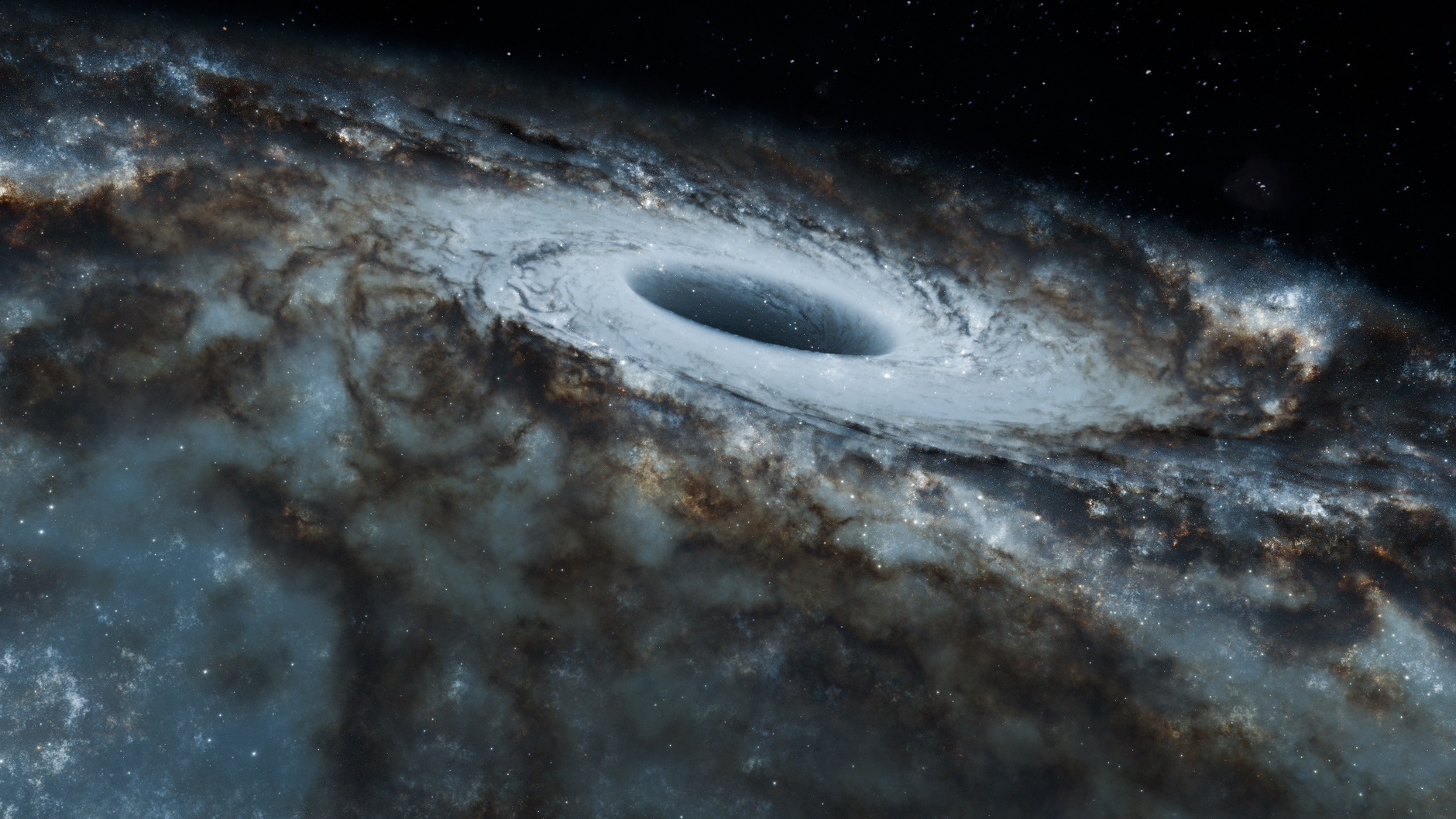
In a remarkable stride for astronomy, scientists have now measured the primordial environments where the universe’s first supermassive black holes came into existence. This pioneering research offers a glimpse into the circumstances of the early cosmos, less than half a billion years after the Big Bang.
Utilising cosmological radiation-hydrodynamic simulations, researchers have mapped the gas density distribution around target halos at a redshift of z=12. This data is crucial in understanding how massive black hole seeds could have formed through direct collapse, an event that occurred over 13 billion years ago.
The notion that massive black holes could originate from the direct collapse of dense gas clouds offers a tantalising insight into the evolution of galaxies. It challenges the previously held belief that these cosmic giants only formed from the remnants of massive stars.
The Cosmic Cradle of Black Holes
The study reveals that these supermassive entities may have begun as gigantic seeds, setting the stage for the formation of galaxies. The environments in question were likely characterised by high density and temperature, facilitating the rapid collapse of gas into black holes.
Such findings not only shed light on black hole formation but also help astronomers piece together the cosmic puzzle of galaxy formation. The gravitational influence of these early black holes could have played a pivotal role in the organisation of matter into the galaxies we observe today.
Implications for Modern Astronomy
This breakthrough provides a foundation for future research, potentially guiding the next generation of telescopes designed to explore the distant reaches of the universe. By understanding the conditions that fostered the first supermassive black holes, astronomers can refine their models of cosmic evolution.
Additionally, these findings underscore the importance of interdisciplinary approaches, combining astrophysics, cosmology, and advanced simulation technologies. As scientists continue to probe the mysteries of the universe, such collaborations promise to unlock further secrets of our cosmic origins.