PM Modi to Unveil Global Climate Conference in Delhi
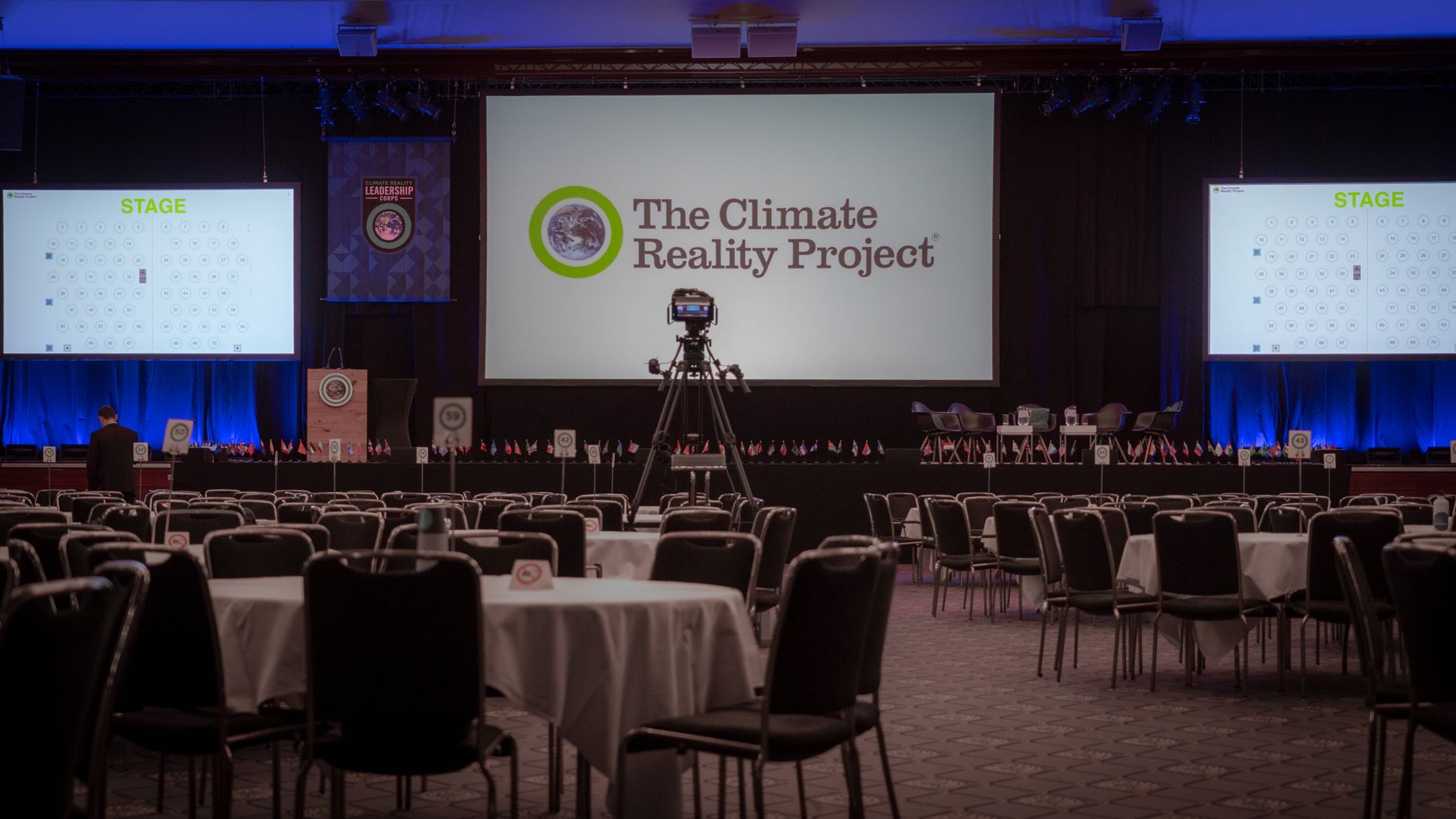
In a world where climate change is increasingly at the forefront of global discourse, the spotlight turns to New Delhi this September. Prime Minister Narendra Modi will inaugurate the International Conference on “The Future of Environment and Climate Dynamics” at Vigyan Bhawan, setting the stage for an assembly of global minds.
Organised by the National Green Tribunal, this two-day event is not just a routine gathering. It promises to be a pivotal moment for environmental jurisprudence and policy-making. With representatives from 17 countries, including judges and environmental experts, the conference aims to address gaps in current policies and propose robust frameworks for future governance.
Uniting for a Sustainable Future
The choice of Delhi as the venue is no accident. India, a nation grappling with the dual challenges of development and environmental sustainability, represents a microcosm of global issues. The conference provides a platform for countries to share insights and solutions, with India's experiences offering valuable lessons.
Prime Minister Modi, known for his proactive stance on climate issues, will likely emphasise the need for collaborative international efforts. His government has repeatedly highlighted sustainable development as a cornerstone of its policy agenda, and this conference is expected to reinforce that commitment.
Filling Policy Gaps
One of the key objectives of the conference is to identify and bridge policy gaps. As climate dynamics evolve, so too must the frameworks that govern them. Judges and policymakers will discuss how to strengthen existing laws and introduce innovative solutions that can withstand the test of time and changing climates.
The presence of international judicial representatives underscores the legal dimension of climate action. Legal frameworks, after all, are crucial in enforcing environmental policies and ensuring that nations adhere to their climate commitments.
The conference will conclude with a series of recommendations, expected to guide future policy directions both in India and globally. In a world where environmental challenges know no borders, such international cooperation is not just beneficial but essential.