Political Tensions Mount in Punjab as Amit Shah Prepares Visit
As the sun rises over Punjab, anticipation and anxiety seem to rise in tandem. Union Home Minister Amit Shah is scheduled to land in the state, and his visit is already sparking heated discussions across political circles. Shah is set to address a public rally marking the end of the 'Nasha Mukt Punjab Yatra', a campaign aimed at eradicating drug abuse from the region. However, his presence is stirring more than just conversations about drug policy.
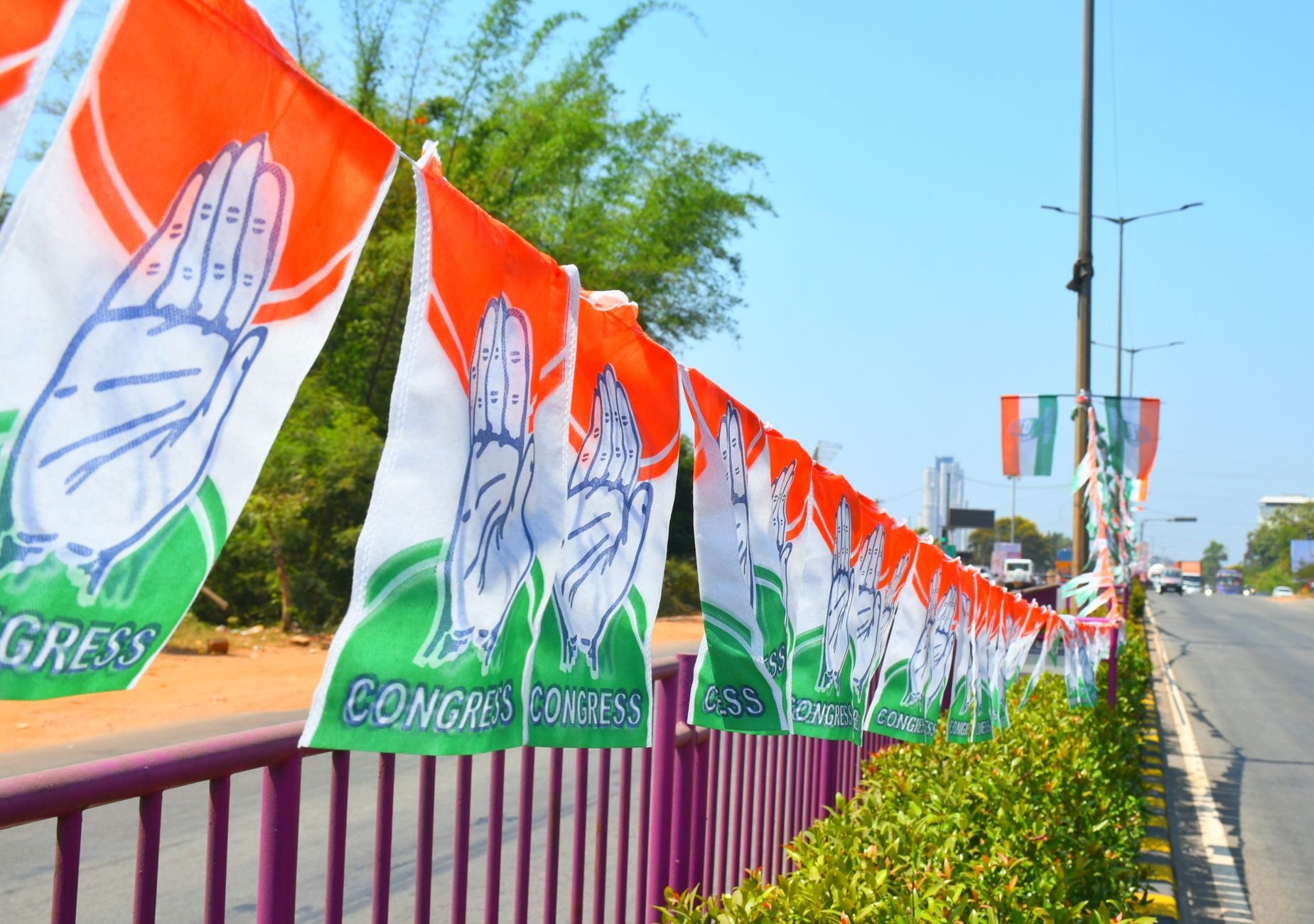
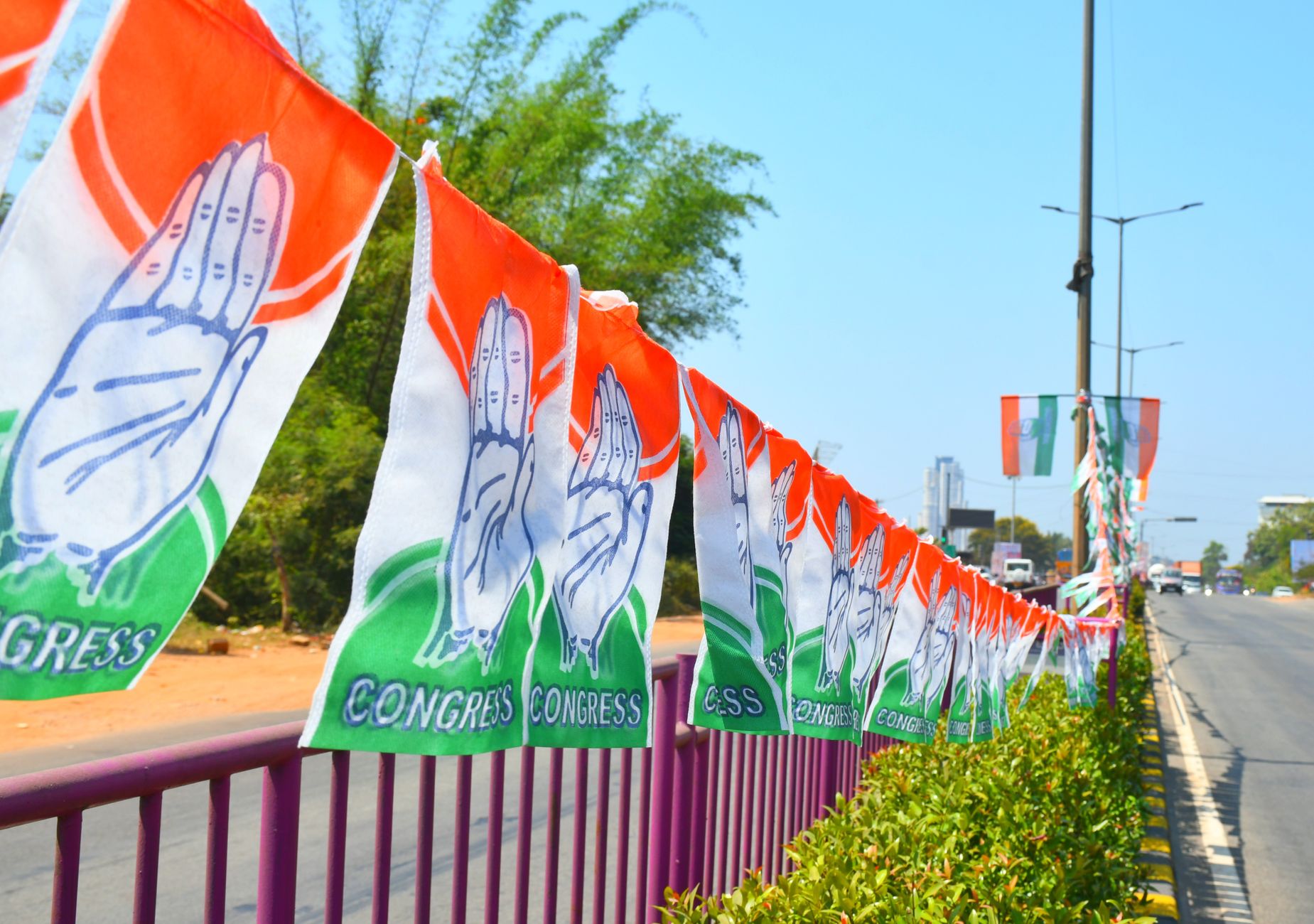
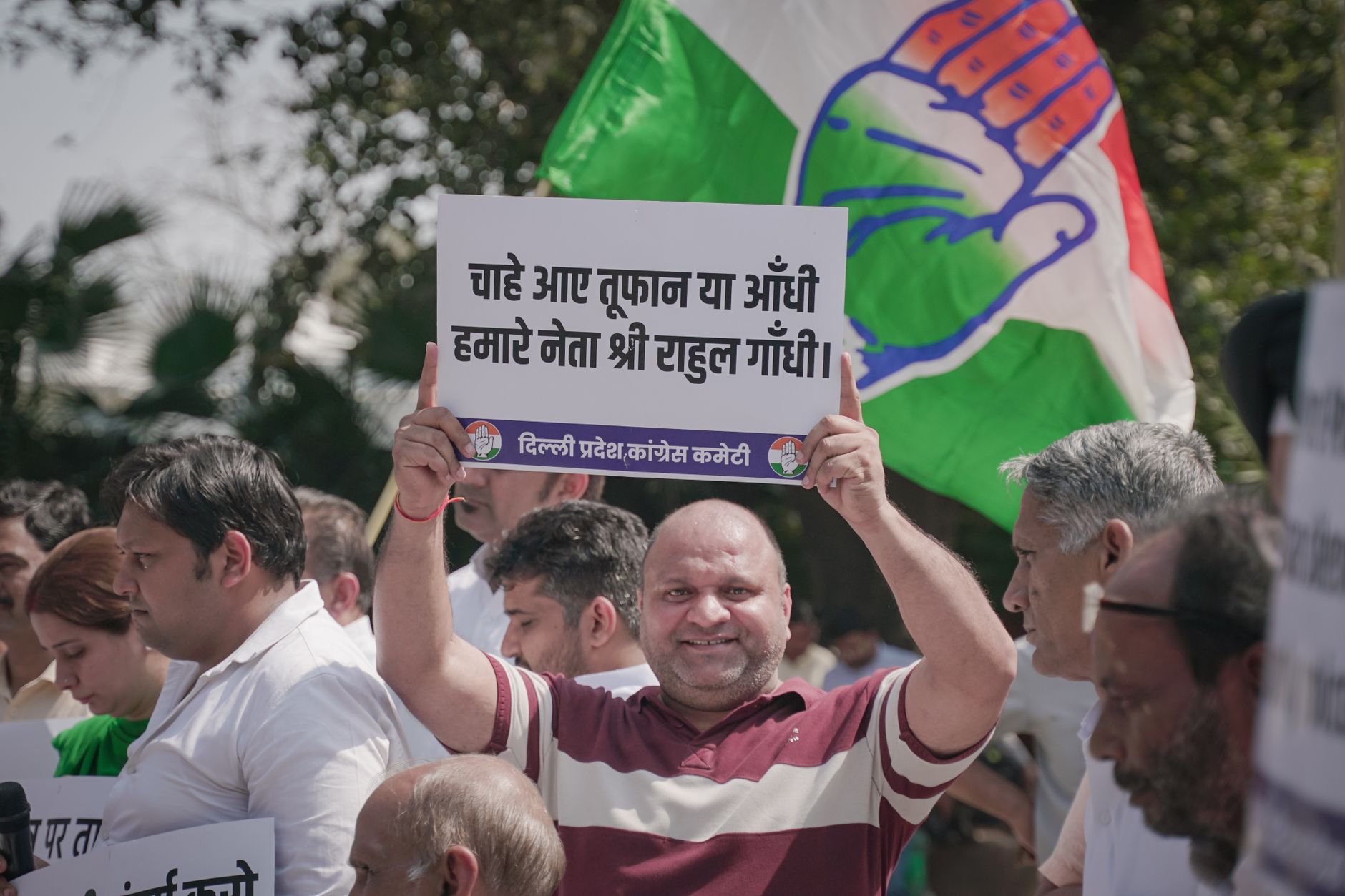
The political landscape in Punjab is notoriously tumultuous, with parties quick to seize any opportunity to criticise rivals and fortify their own positions. Shah's visit, therefore, comes at a particularly sensitive time. The ruling Congress party and the opposition Aam Aadmi Party (AAP) are both keenly aware of the symbolic weight that the Home Minister's presence carries. Both parties are preparing to mobilise supporters, each seeking to project strength and resolve.
Political Ripples
For the Bharatiya Janata Party (BJP), Shah's visit is an opportunity to consolidate their base in a state where their influence is limited. The party's leaders have been vocal about their aspirations to expand their footprint in Punjab, a state where regional parties have traditionally held sway. The rally is expected to be a show of force, underscoring the BJP's commitment to tackling issues like drug abuse and economic development.
Yet, the opposition is not sitting idly by. The Congress party has accused the BJP of using the drug issue as a political tool rather than addressing the root causes. Meanwhile, AAP has criticised the central government for its approach to Punjab's socio-economic challenges, arguing that more needs to be done at the grassroots level.
The Broader Implications
Beyond the immediate political manoeuvring, Shah's visit underscores a broader national strategy. As the BJP seeks to strengthen its position across India, Punjab represents both a challenge and an opportunity. The state's complex socio-political fabric demands a nuanced approach, something that Shah, known for his political acumen, is likely to be well aware of.
As the visit unfolds, all eyes will be on how the various political actors respond. Whether Shah's presence will indeed catalyse change or merely serve as a flashpoint for existing tensions remains to be seen. In the meantime, the people of Punjab, caught in the crossfire of political rhetoric, await tangible results.