Power Inherited: Youth in Indian Politics
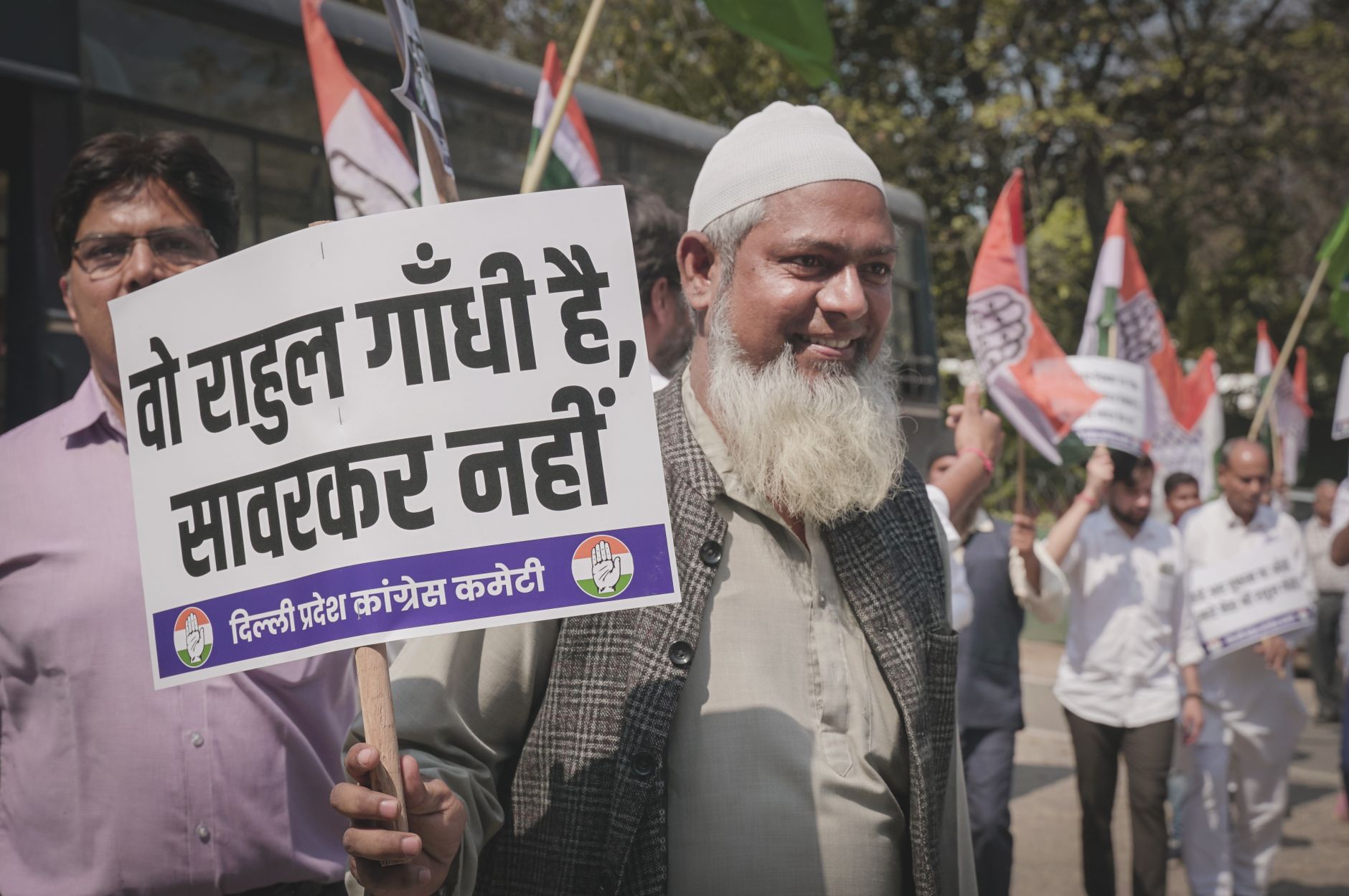
In the bustling corridors of Indian politics, it appears that youth is not yet served. Despite representing a significant portion of the nation's demographic, young politicians are a rare sight in the Indian Parliament and state assemblies. Of the 5203 sitting MPs, MLAs, and MLCs, a mere 384 are aged 40 or below, and alarmingly, over a third of these youthful representatives are products of political dynasties.
This statistic raises questions about the accessibility of political power in India. While the nation boasts a vibrant and youthful populace, their voices seem muffled in the halls of power. The data, published by The Indian Express, underscores a stark reality: the path to political influence is often paved by familial connections.
Dynastic Dominance
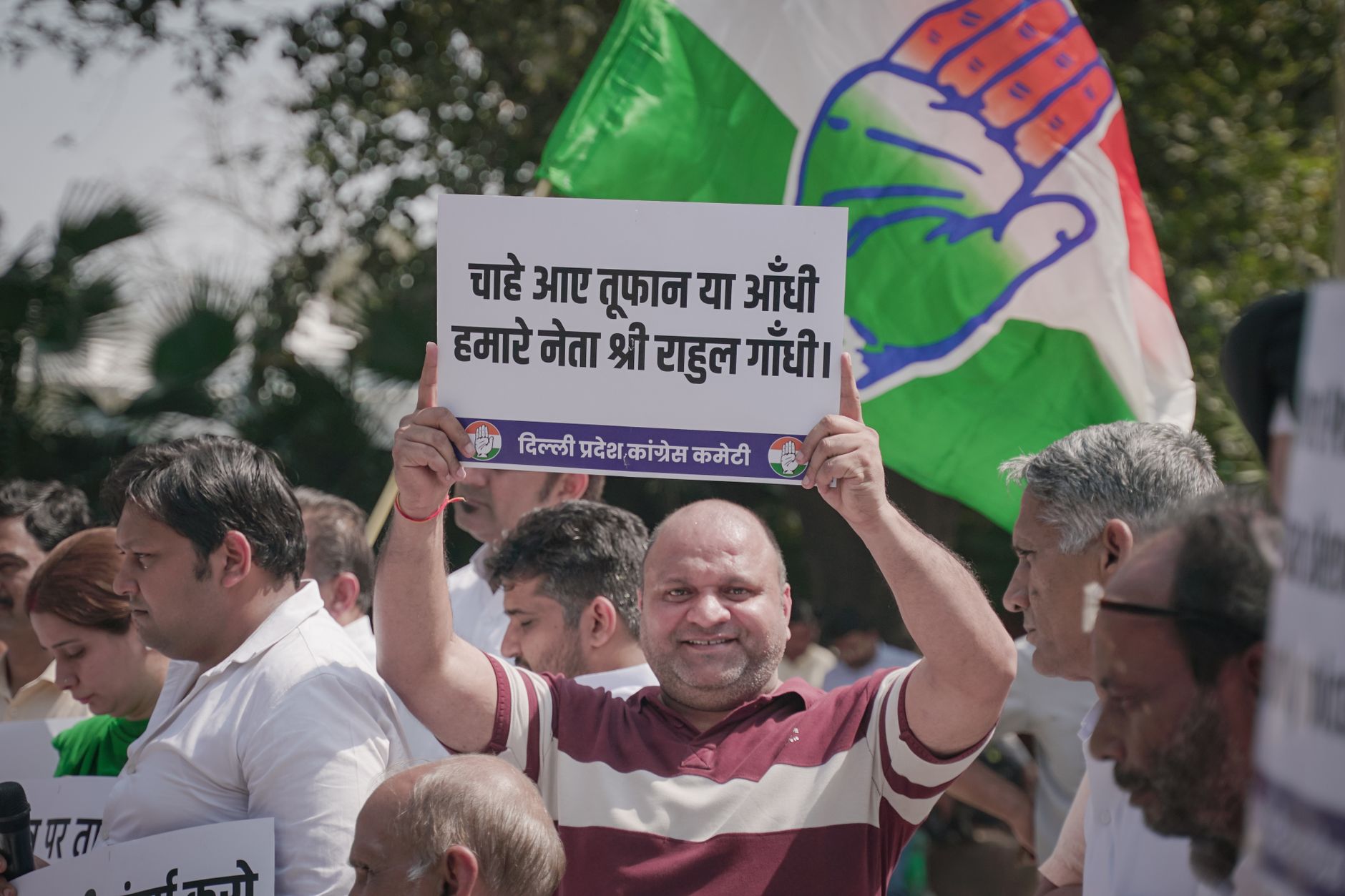
The grip of dynasties is particularly pronounced in the Lok Sabha, where 31% of seats are held by individuals with familial ties to politics. State assemblies are slightly less dynastic at 20%, yet the prevalence remains significant. Uttar Pradesh emerges as a focal point, with 141 dynastic legislators, demonstrating the entrenched nature of political inheritance in certain regions.
The challenge for new entrants is not merely one of competition but of overcoming a deeply rooted tradition of nepotism. For Gen Z, who make up a quarter of the population, the prospect of political participation is daunting. Only 26 legislators under this age group currently hold office, despite the legal age to contest being 25.
A Democratic Disparity
The implications of this dynastic dominance extend beyond mere numbers. It suggests a broader democratic disparity, where the potential for fresh ideas and diverse representation is stifled. As India continues to evolve, the call for a more inclusive political landscape grows louder.
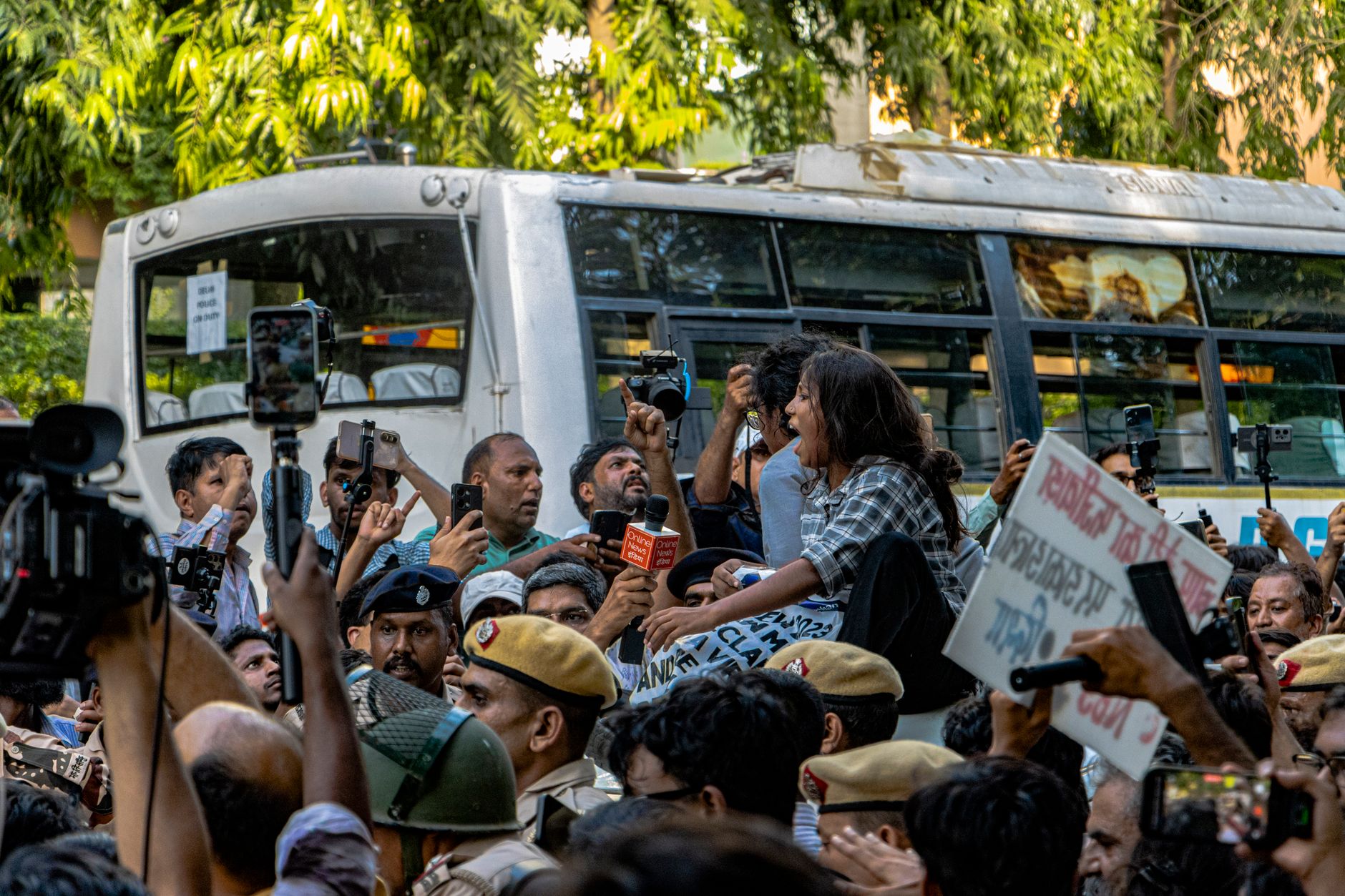
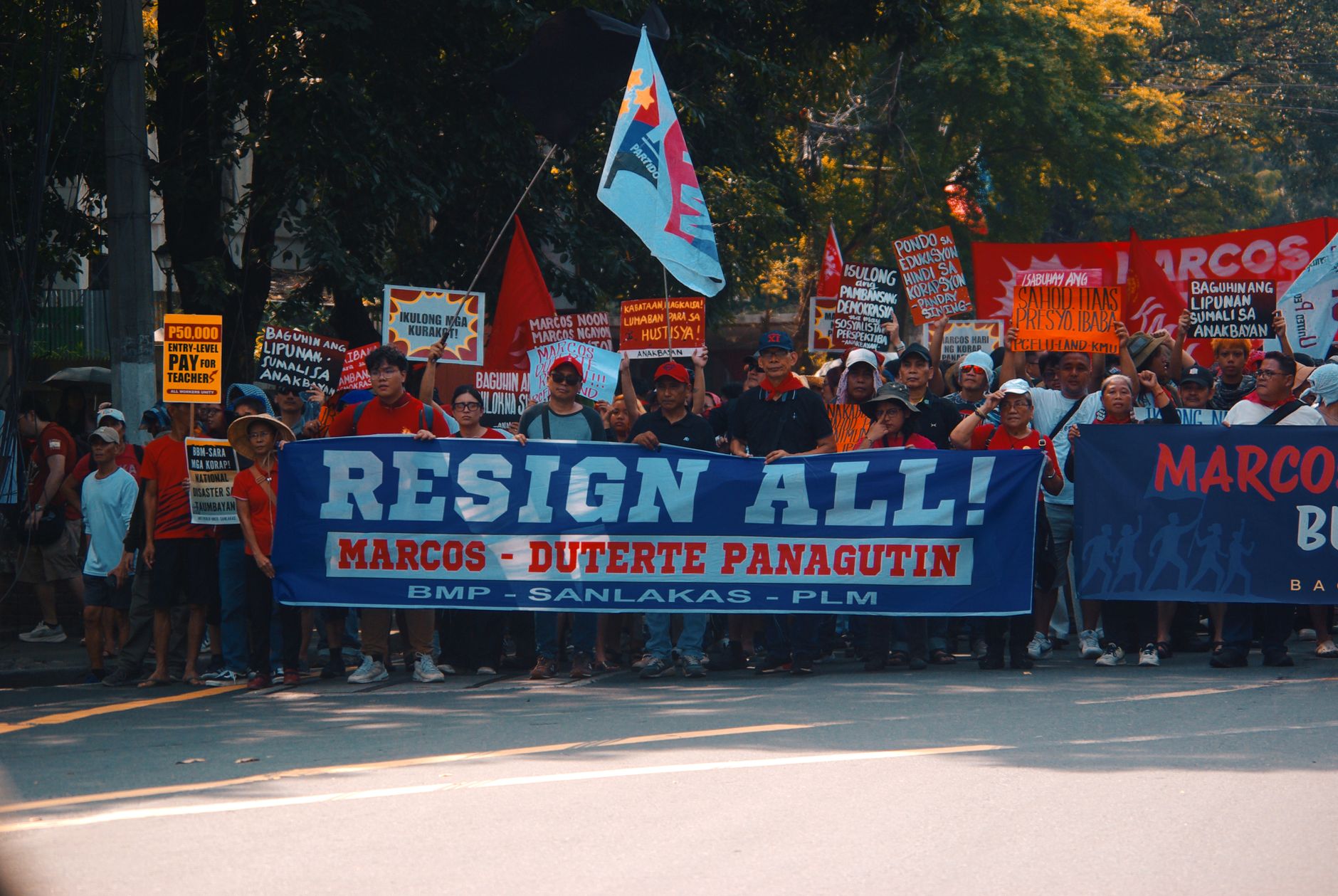
Yet, there is hope. Activism and grassroots movements are gaining momentum, with young leaders emerging from outside the traditional political framework. These emerging voices, though few, represent a burgeoning desire for change—a change that challenges the status quo and seeks to redefine the contours of Indian democracy.