Preserving the Western Ghats: Science Meets Local Wisdom
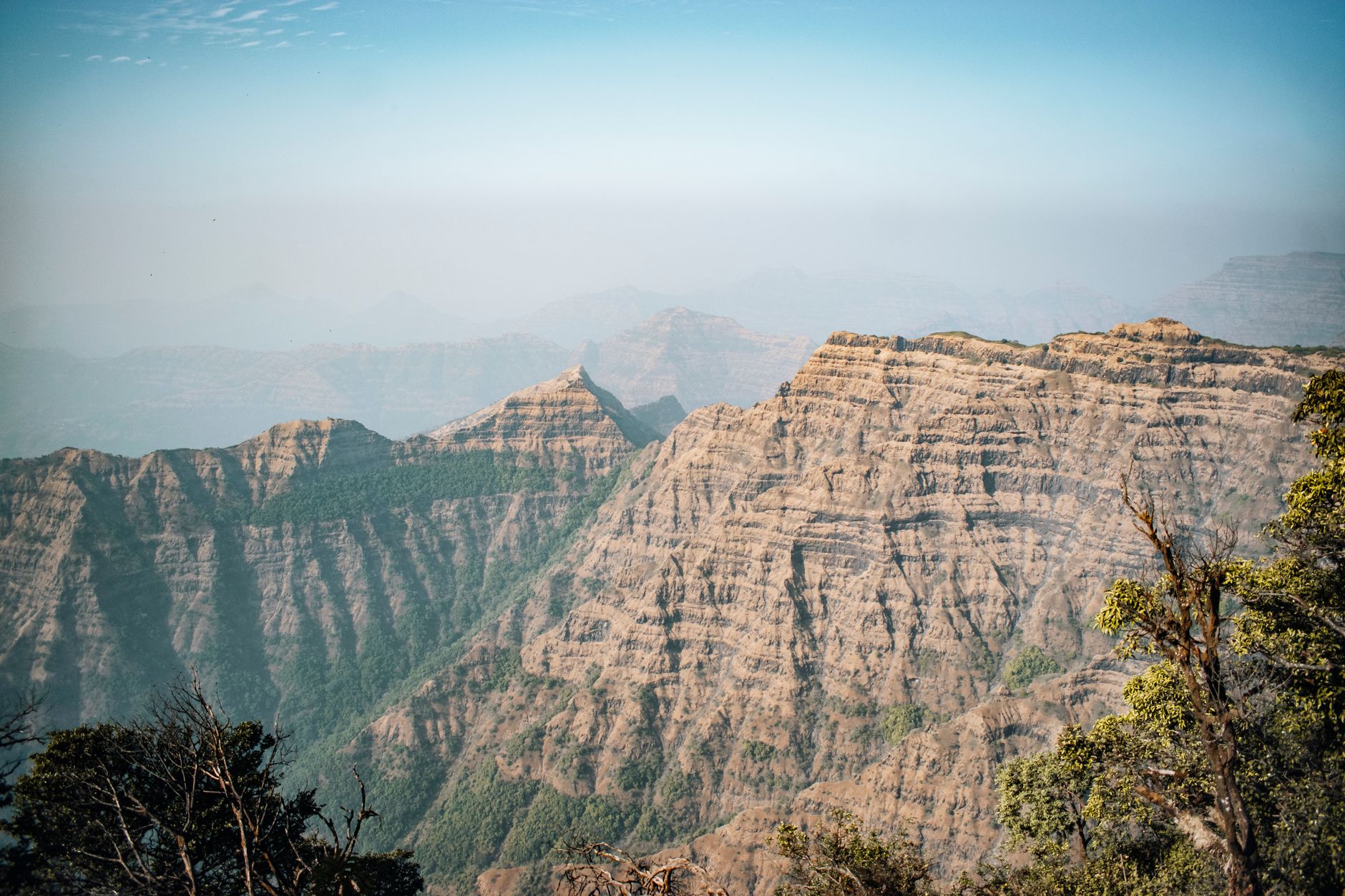
Amidst the lush greenery of the Western Ghats, a profound debate simmers, one that intertwines the threads of science, tradition, and survival. This ancient mountain range, stretching majestically across the western edge of India, is not just a UNESCO World Heritage site but a living testament to ecological diversity. Yet, the call to designate it as an Ecologically Sensitive Area (ESA) has ignited a struggle between scientific necessity and local livelihoods.
The Western Ghats Conservation Taskforce, established in 2008, finds itself at the heart of this debate. Entrusted with the daunting task of preserving the Ghats' unique biodiversity, the taskforce champions science-based policies. However, it recognises that science alone cannot dictate the conservation agenda. Enter dialogue—a crucial element often overshadowed in conservation efforts.
Local communities, whose lives have long intertwined with the Ghats, offer a wealth of traditional knowledge. Their understanding of the land, honed over generations, provides insights that no scientific model can replicate. This realisation has prompted a shift in strategy. Conservationists now seek to blend scientific approaches with local wisdom, a move that promises more sustainable outcomes.
Dialogue: The Bridge to Conservation
Dr Madhav Gadgil, a prominent ecologist, emphasises the importance of community involvement. "The people living in the Western Ghats are not merely inhabitants but stewards of their environment," he asserts. Involving them in the decision-making process ensures that conservation measures do not inadvertently disrupt their way of life.
The Karnataka State, home to significant portions of the Ghats, has been a focal point of this approach. Here, initiatives are underway to integrate local feedback into conservation strategies. By doing so, authorities aim to foster a sense of ownership among residents, turning them into active participants in preserving their natural heritage.
A Path Forward
While challenges remain, the blend of scientific rigour and local dialogue offers a promising path forward. The Western Ghats, with their diverse flora and fauna, serve as a vital ecological corridor. Yet, their preservation must not come at the cost of human displacement or cultural erosion.
Striking this balance is no small feat, but as the dialogue deepens, hope prevails that the Ghats will continue to thrive as both a natural wonder and a cultural beacon. As scientists and local communities join hands, the story of the Western Ghats becomes one of cooperation and mutual respect—a narrative where both nature and humanity find their rightful place.