Prioritising Education for Pourakarmikas' Children: A Call to Action
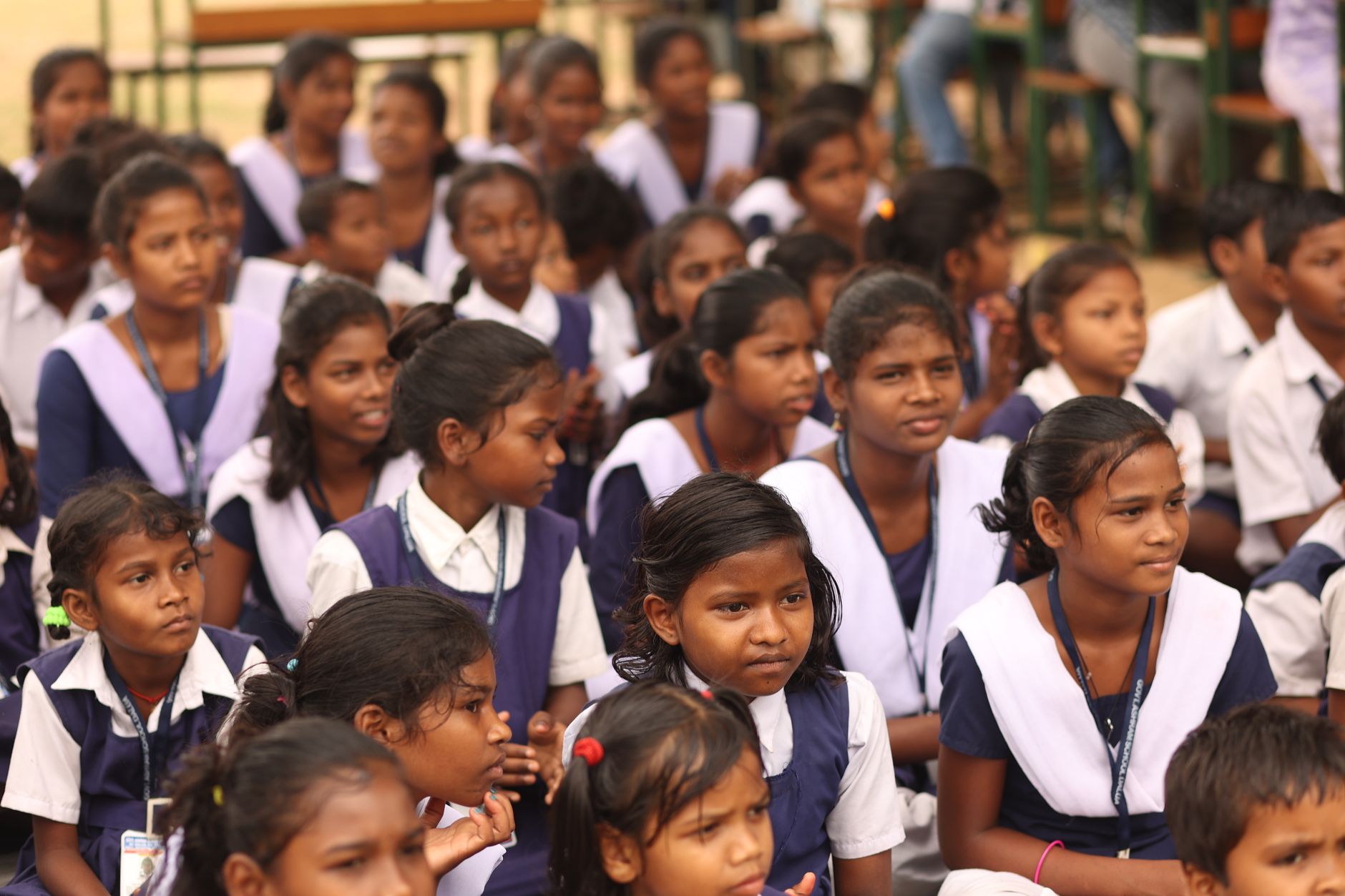
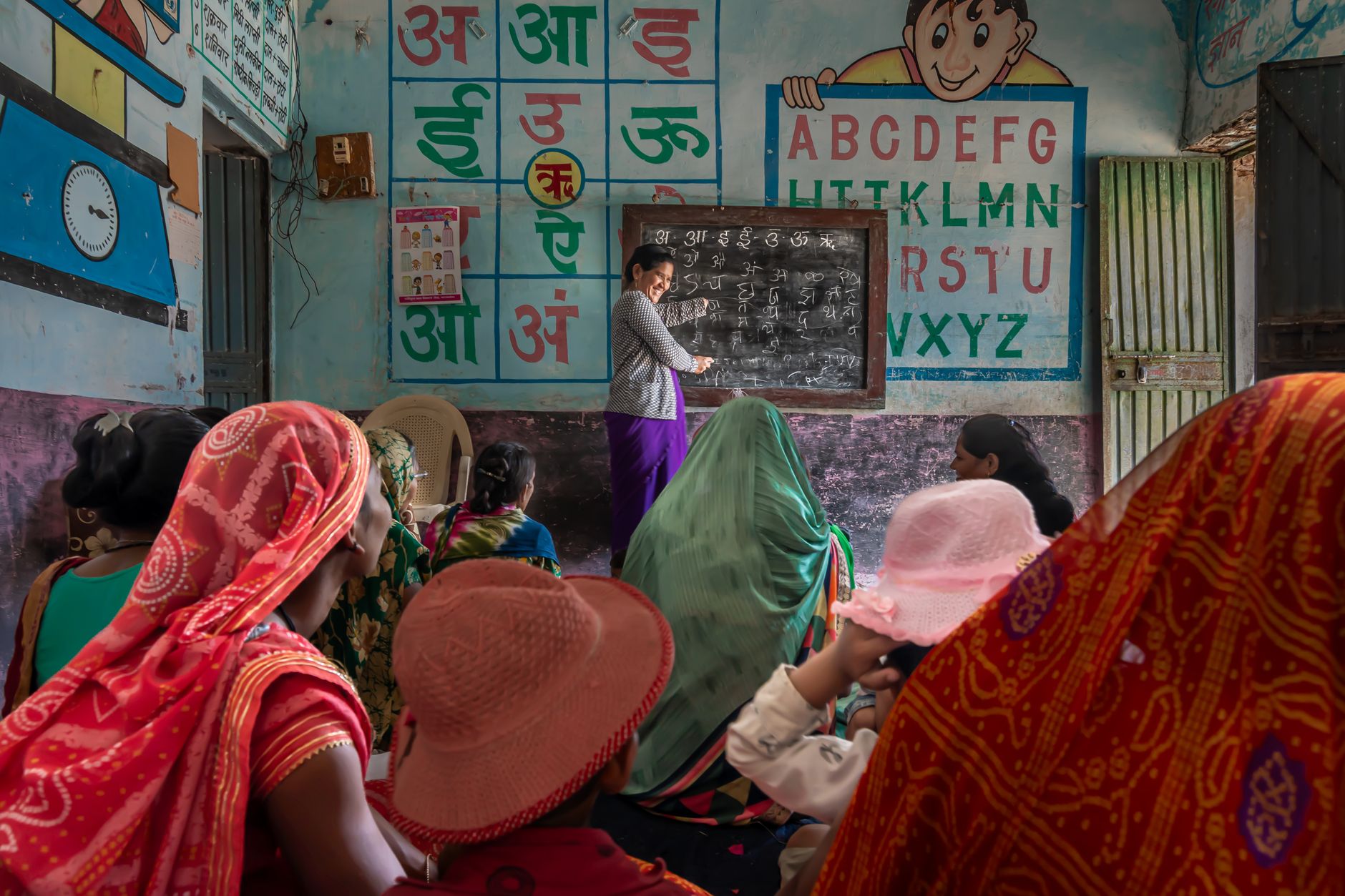
In an earnest plea for social progress, a commission member has spotlighted the pressing need to prioritise the education of pourakarmikas' children. These dedicated sanitation workers, who form the backbone of urban hygiene efforts, often find their families trapped in cycles of deprivation. The commission has called for a concerted effort to ensure their offspring receive the educational opportunities they deserve.
While pourakarmikas are lauded for their critical role in maintaining public health, particularly highlighted during the COVID-19 pandemic, their own families frequently languish on society's fringes. The lack of adequate facilities, personal protective equipment, and health check-ups for these workers is well-documented. Yet, the focus now shifts beyond immediate working conditions to the long-term prospects of their children.
"Education is the key to breaking the cycle of poverty," the commission member stated, advocating for the collection of educational data on these children through environmental engineers. Not merely content with identifying the problem, the commission seeks to actively encourage higher education pursuits among this underrepresented demographic.
Support from the State
In response, the Karnataka government has pledged to regularise the services of pourakarmikas, promising to extend social security and medical services. This commitment includes educational assistance for their children, a move designed to lift future generations out of poverty.
Chief Minister Basavaraj Bommai has reiterated the state's dedication to the welfare of these workers, recognising their indispensable contribution to urban living. Legal action against institutions engaging in manual scavenging has also been proposed, aiming to eradicate this dehumanising practice.
As the state embarks on this transformative journey, the focus on education is poised to be a cornerstone of broader social reform. By investing in the future of pourakarmikas' children, Karnataka sets a precedent for other states to follow, potentially heralding a new era of empowerment for marginalised communities.