Private Spacecraft Set to Revive NASA's Swift Telescope
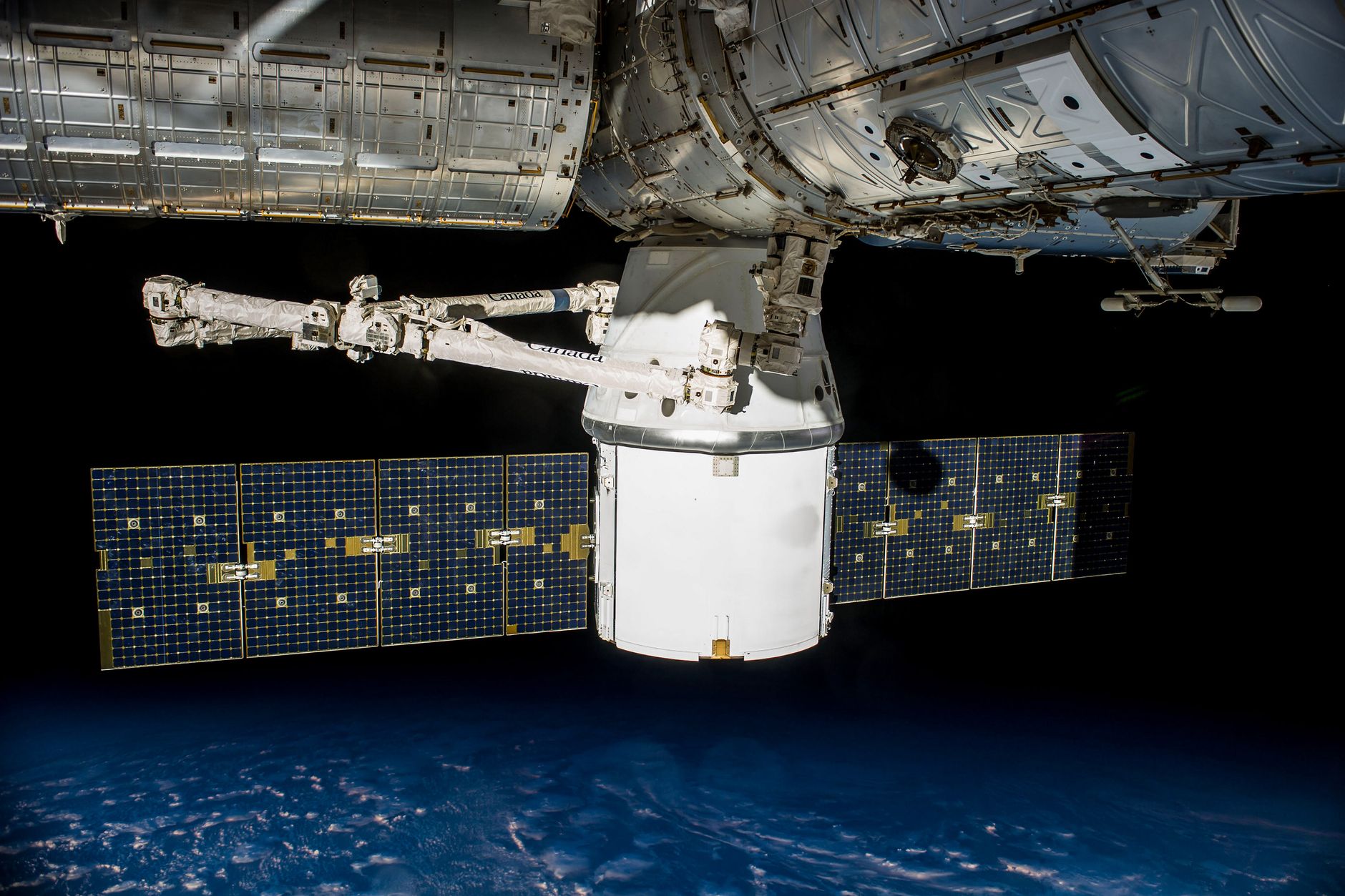
In a move that could redefine the parameters of space maintenance, a private spacecraft is preparing to give NASA’s Swift space telescope a much-needed orbital boost. Set for 2026, this mission is the first of its kind, aiming to extend the life of the telescope that has been a stalwart in observing gamma-ray bursts since its launch in 2004.
The initiative, spearheaded by the company Katalyst, comes at a time when the Swift telescope’s stability has become precarious due to the failure of two of its crucial reaction wheels. These wheels are vital for maintaining the telescope's orientation and, without them, Swift has been likened to a compass without a needle. The swift action of Katalyst’s spacecraft, known as LINK, has been designed to address this orbital woe.
Challenges and Innovations
The mission is not without its challenges. LINK itself has encountered setbacks, notably spinning out of control after its own reaction wheel issues. However, Katalyst remains undaunted. Engineers are currently engaged in stabilising LINK, with plans to update its guidance and navigation systems to ensure a successful rendezvous with Swift.
This mission underscores the growing role of private entities in space exploration. As governmental budgets tighten and technological demands increase, collaborations like these may become more commonplace. The ability of private firms to innovate quickly and flexibly positions them as valuable partners in the cosmic theatre.
A New Frontier
For NASA, this collaboration represents a strategic shift, opening new avenues for maintaining and enhancing existing space assets. The success of this mission could serve as a blueprint for future endeavours, where private spacecraft perform maintenance roles traditionally managed by governmental agencies.
As the countdown to 2026 continues, the world will watch with bated breath. The prospect of extending Swift’s operational life is tantalising, promising continued insights into the violent and mysterious gamma-ray bursts that pepper our universe. In the grander scheme, this mission might very well set the stage for an era where space is not just explored but sustainably managed.