Private Teachers Demand Security and Welfare Parity
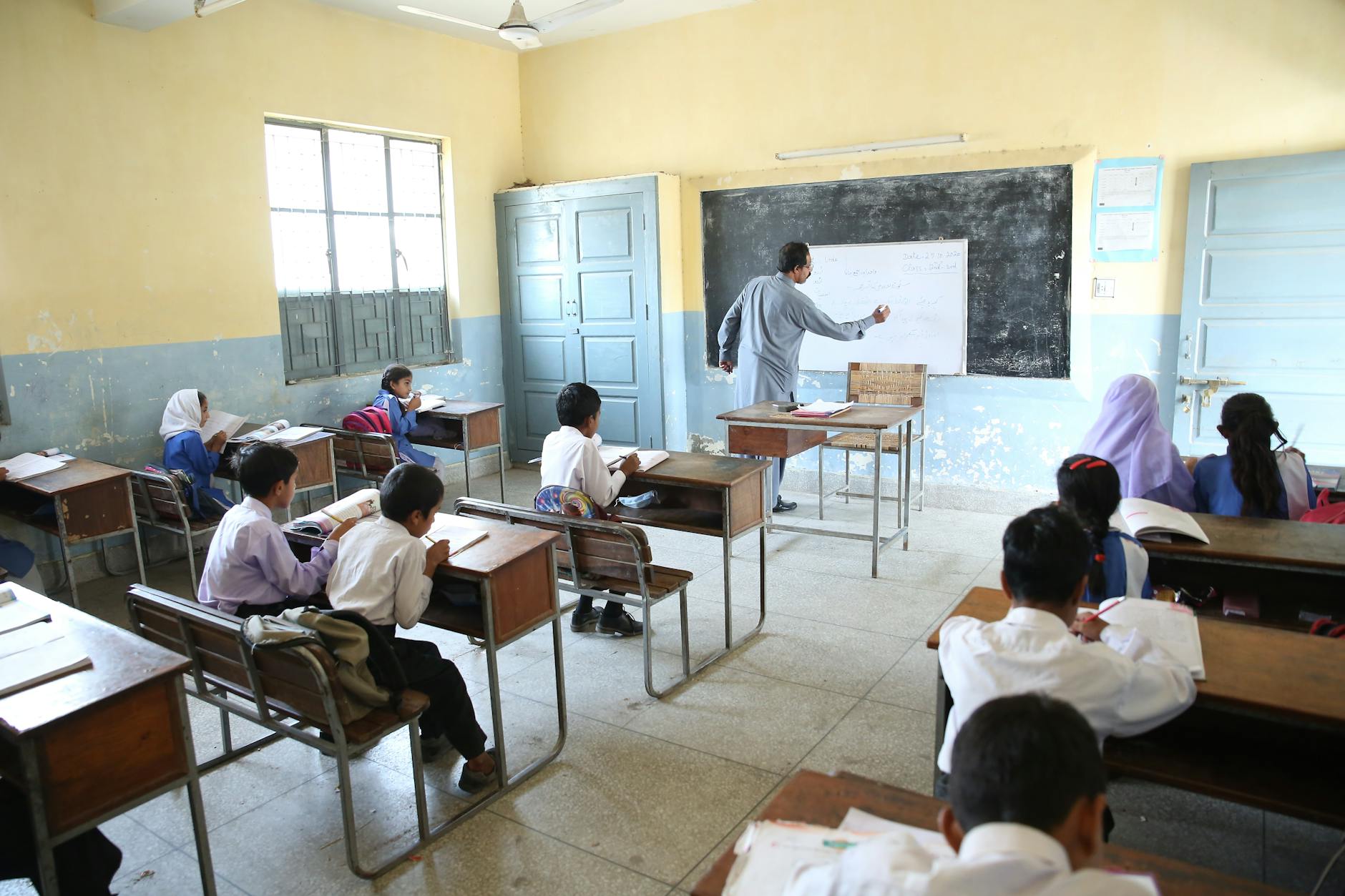
As dusk falls over yet another school day, a group of private school teachers gather in a modest community hall, their voices rising in unison, calling for what they believe is long overdue: job security, health cards, and welfare measures. These educators, who form the backbone of private education, are seeking the same protections and benefits their peers in government schools have long enjoyed.
Unlike their public sector counterparts, private school teachers often find themselves in precarious employment, with limited access to health benefits and no assurance of a secure retirement. The absence of a comprehensive welfare system has left many feeling vulnerable, especially in times of economic uncertainty. "We are the architects of future generations," says one teacher, "yet our own futures are left in limbo."
A Call for Parity
The disparity in treatment between government and private school teachers is stark. Government educators receive pensions, health insurance, and other benefits, often resulting in significantly higher job satisfaction. Private teachers, on the other hand, are often subject to lower wages and poorer working conditions, factors which inevitably impact their performance and morale.
Efforts to address these issues have been ongoing. Proposals for pension schemes similar to those in the public sector have been put forward, alongside calls for the establishment of a welfare board dedicated to private teachers' concerns. Such measures, advocates argue, would not only provide financial security but also contribute to the overall quality of education.
Looking Ahead
While the government's response remains to be seen, the teachers' demands highlight a critical issue within the education sector. The establishment of a welfare board and implementation of minimum salary standards are among the proposed solutions, aimed at ensuring that private teachers are not left behind.
In the words of another teacher, "Education is the most powerful weapon we can use to change the world. It's high time we ensured those wielding it are afforded the dignity and security they deserve." Whether these calls for change will result in tangible improvements remains uncertain, but the conversation has undeniably begun.