Public Outcry Grows Against Great Nicobar Development Plans
A chorus of dissent is rising against the Indian government's ambitious plans to transform Great Nicobar Island into an infrastructural hub. More than two lakh individuals have thrown their weight behind a petition that decries the potential devastation of one of the country’s most pristine ecological zones.
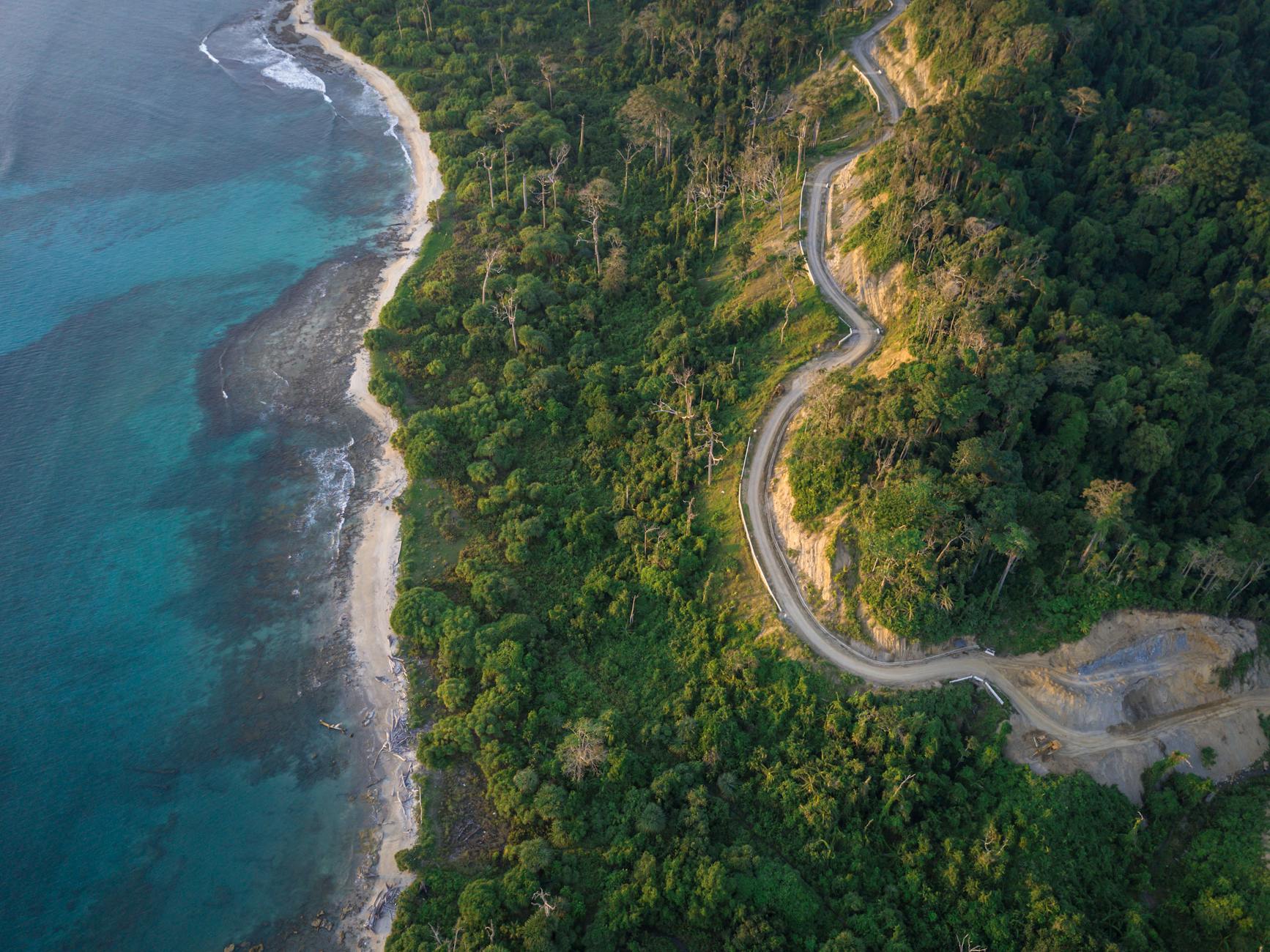
The petition, hosted on Change.org, warns of the dire consequences of the proposed Rs. 81,000-crore development plan, which critics argue could spell disaster for the island’s fragile ecosystems. The construction of ports, airports, and power plants is expected to necessitate the felling of nearly one million trees, leading to the deforestation of 130 square kilometres of rainforest.
Environmentalists have sounded the alarm, pointing to the critical biodiversity at stake. Galathea Bay, a designated marine national park, is home to numerous endangered species. The petition argues that the port project threatens this crucial habitat, potentially leading to irrevocable damage.
Indigenous Concerns
Apart from environmental concerns, the development plans have raised alarms among indigenous communities. Great Nicobar is home to the Nicobarese and Shompen tribes, whose lifestyles and cultures are intimately tied to the land. Displacement from their ancestral homes could not only dismantle their way of life but also pose a threat to their very existence.
Historically, such projects in ecologically sensitive areas often result in the marginalisation of indigenous populations, forcing them to the peripheries of society. This petition highlights the need to protect both the environment and the rights of these communities.
A Balancing Act
The government, however, maintains that the projects are crucial for national development, citing strategic and economic benefits. Yet, the challenge lies in balancing these aspirations with environmental preservation. Critics argue that sustainable alternatives could fulfil development goals without sacrificing ecological and cultural treasures.
As signatures on the petition continue to mount, it remains clear that the voice of the public is resolutely against the current trajectory of these plans. The call for sustainable development has never been more urgent, as the world watches how India navigates this contentious project.