Pune Student Calls for Calm Amidst Political Tensions

In the shadow of Pune's prestigious College of Engineering, a storm brews not from academic pursuits but from the political theatre that has engulfed its students. 'Do not involve me in political drama,' pleaded one student, caught in the crossfire of a heated clash between the Akhil Bharatiya Vidyarthi Parishad (ABVP) and the National Students' Union of India (NSUI), as tensions flared ahead of Rahul Gandhi's scheduled interaction with students.
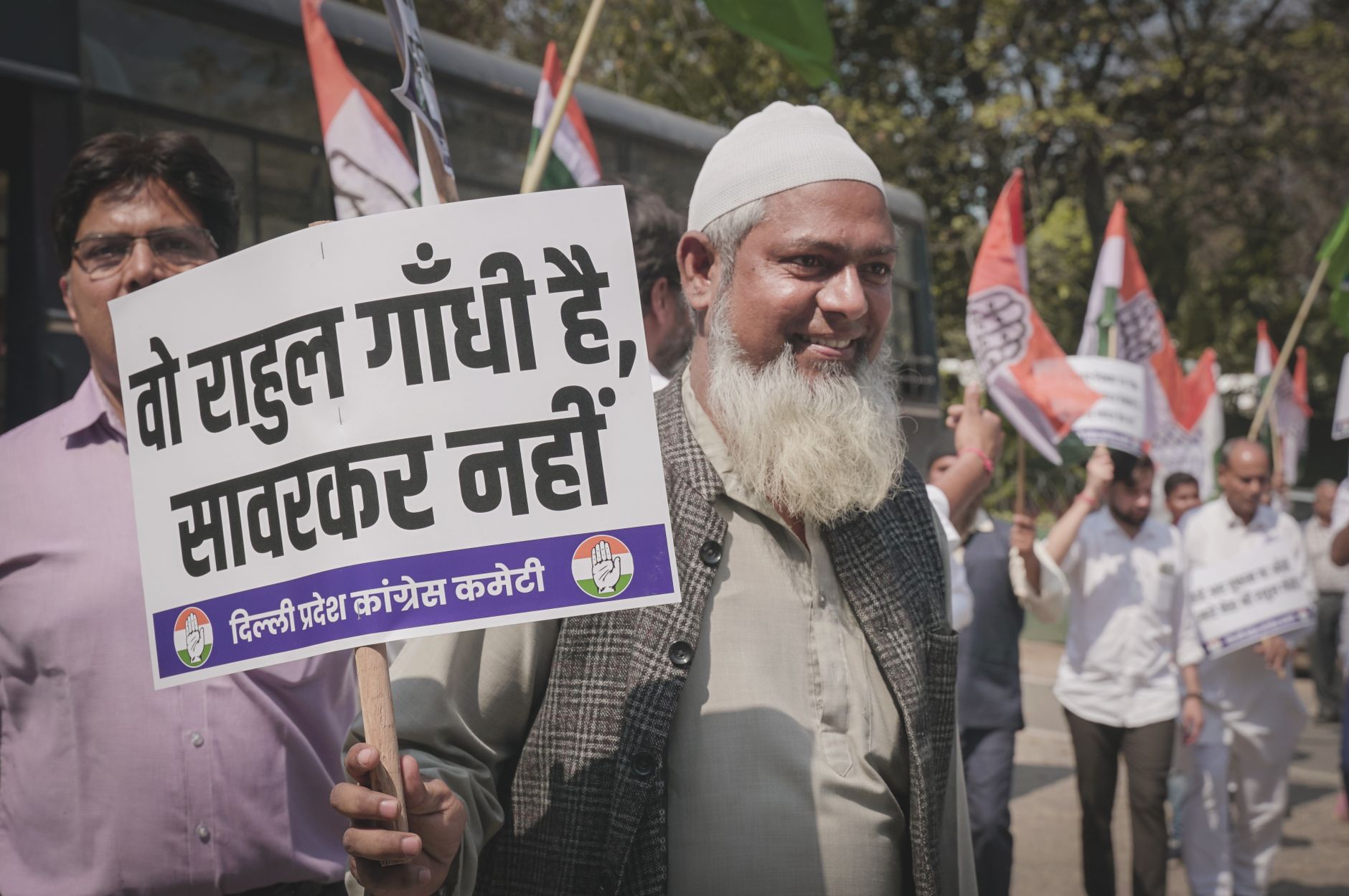
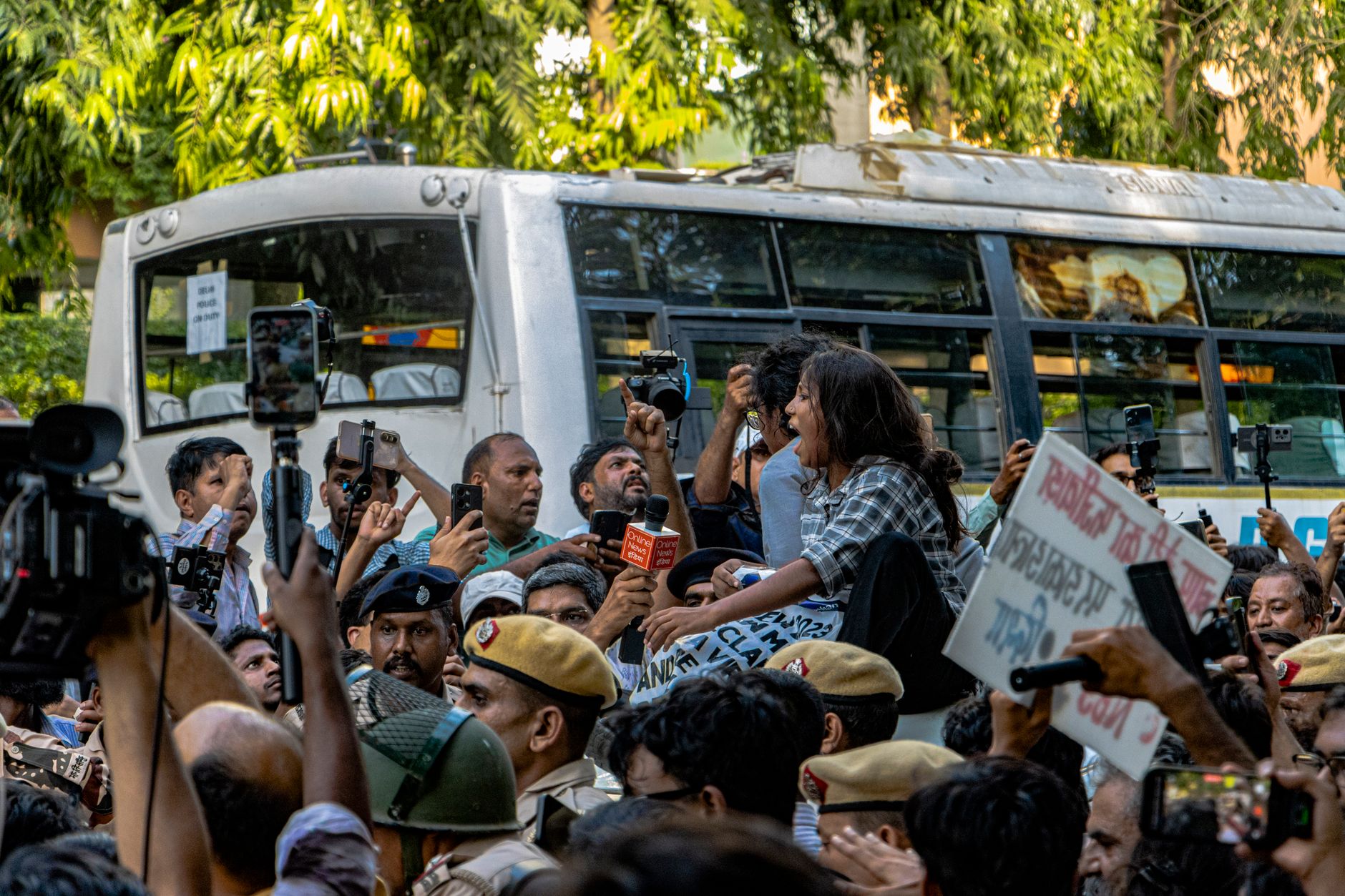
The atmosphere had been charged for days, with ABVP accusing Congress-affiliated NSUI of intimidation tactics, allegedly aimed at coercing students into disseminating misinformation about the college. NSUI, in a counter-punch, claimed that ABVP members had resorted to violence, resulting in injuries to several students. The police, in a bid to restore order, detained multiple ABVP workers, a move that only added to the rising tempers.
Rahul Gandhi's 'Chhatron Ki Goonj' event, intended as a platform for student engagement, has inadvertently become a flashpoint for these rival factions. The timing is crucial; with the upcoming Delhi University Students Union elections, both groups are eager to galvanise support, each painting the other as aggressors in a bid to sway student opinion.
The Wider Implications
Such clashes are not isolated incidents but rather symptomatic of a broader trend that sees political ideologies spilling over into educational institutions across India. These confrontations, often violent, are indicative of a deep-seated polarisation that mirrors the national political climate.
For students caught in the middle, the focus ought to be on education and personal growth rather than political allegiance. Yet, the reality is that political affiliations often provide a sense of identity and community, particularly in a diverse and complex society.
Seeking Peace Amidst Chaos
The call for calm from students like the one in Pune is a reminder of the underlying desire for tranquillity in academic environments. While political discourse is vital, it must not overshadow the primary purpose of educational institutions. As the dust settles, the hope is that reason prevails and the focus returns to constructive dialogue rather than destructive confrontation.