Punjab's Education 'Revolution' Questioned by Rebel AAP MLA
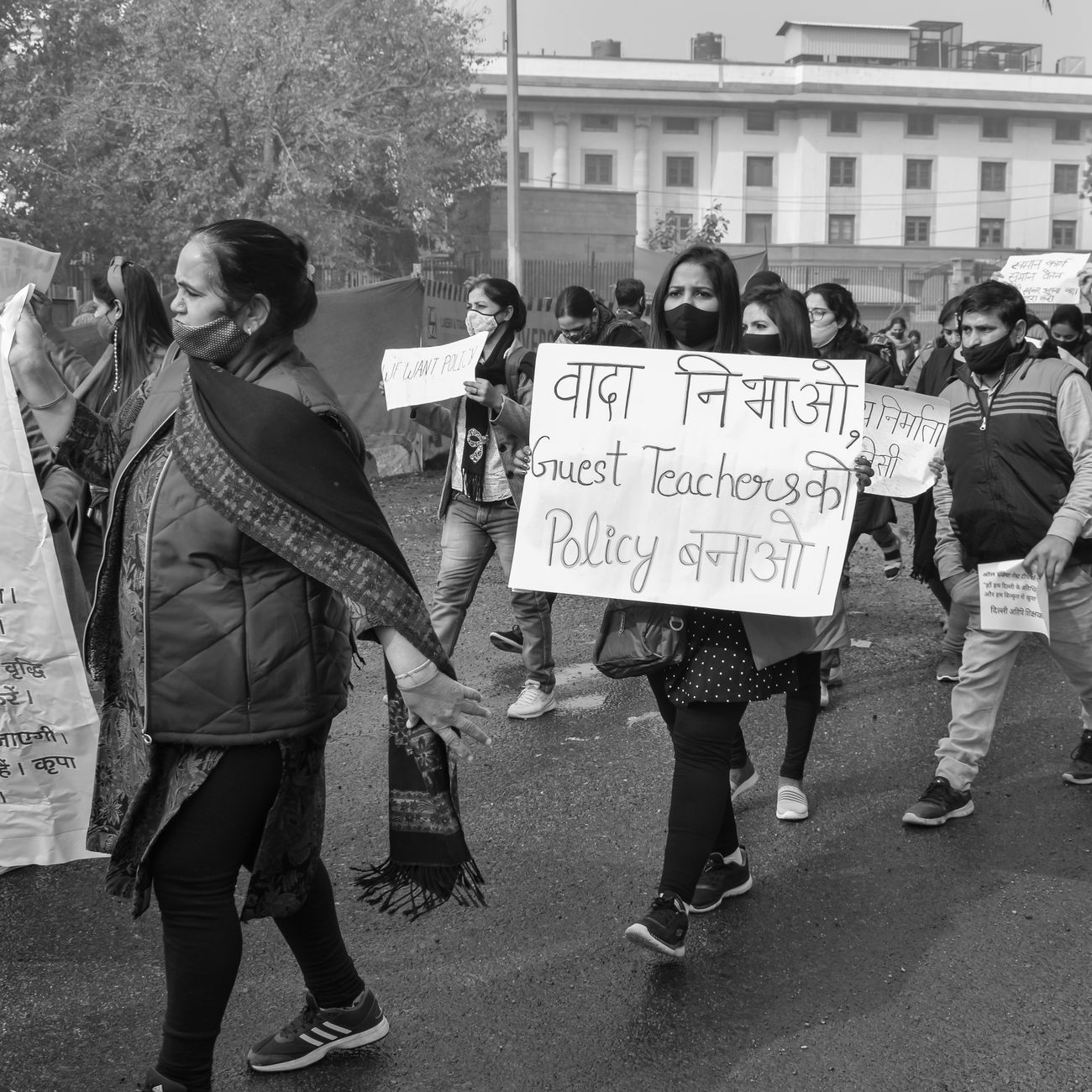
In a state where education was promised to be the cornerstone of governance, a rebel MLA from the Aam Aadmi Party has stirred the pot by questioning the very foundation of these claims. Devinder Sehrawat, the outspoken MLA, has accused his own party of failing to deliver on its promises of an 'education revolution' in Punjab.
Sehrawat's critique centres on the alleged shortage of teachers in government schools, a stark contrast to the AAP's ambitious Schools of Eminence scheme. He argues that while the party boasts of infrastructural improvements, the ground reality tells a different story — one where classrooms remain understaffed and students underserved.
Party Response and Political Repercussions
In response, AAP has not taken kindly to this internal dissent. The party's state general secretary, Harchand Singh Barsat, promptly issued a suspension order, accusing Sehrawat of attempting to malign the party's image. According to Barsat, these claims are not only false but damaging to the progress made under AAP's leadership.
However, the situation is more complex than an internal squabble. The opposition parties, particularly the BJP, have seized upon this controversy to further their own agendas, attacking AAP's governance on multiple fronts, including education, corruption, and the ongoing drug menace in Punjab.
Underlying Issues and Public Perception
Sehrawat's allegations have brought to light the broader challenges facing Punjab's education system. Despite the AAP's initiatives, such as teacher training programmes and larger parent-teacher meetings, significant gaps remain. The question of funding and resource allocation has also been raised, with Sehrawat demanding a probe into the party's financial practices in Punjab.
The public reaction to these developments is mixed. While some residents appreciate the infrastructural improvements and innovative programmes, others echo Sehrawat's concerns about implementation and transparency. As AAP navigates this internal and external pressure, the true test of its educational reforms will be in their tangible impact on students' lives.