Qatar Steps Up to Mend Libya's Political Fractures
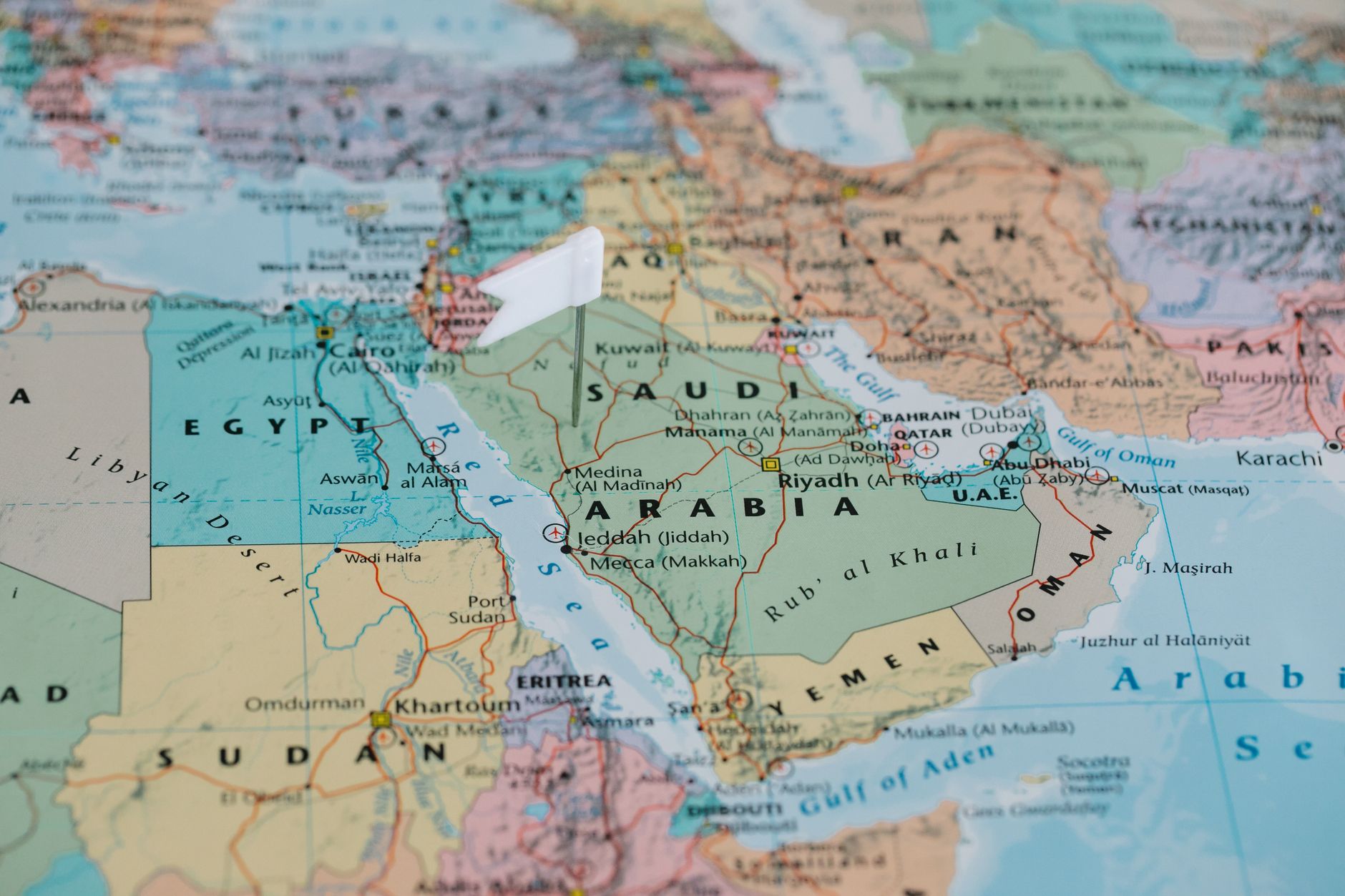
In the sun-baked city of Benghazi, a step towards unity has been pledged from an unexpected quarter. Qatar, known for its ambitious foreign policy, has committed to supporting efforts aimed at resolving the entrenched political divisions in Libya. Mohammed Al-Khulaifi, Qatar's Minister of State, conveyed this commitment during his recent visit, meeting with key figures in the Libyan political landscape.
The backdrop to this pledge is a nation that has seen little peace since 2015. Libya, once a unified entity, has been riven by conflict and division following the fall of Gaddafi in 2011. The country has been split between the Tripoli-based Government of National Accord (GNA) and the eastern-based Libyan National Army (LNA), each supported by various international players. This division has not only hindered national governance but also exacerbated regional tensions.
Qatar's Diplomatic Foray
Qatar's involvement in Libya is not entirely novel, yet its recent pledge underscores a renewed diplomatic vigour. By backing the internationally-supported peace process, Qatar aims to play the role of mediator, potentially reducing the foreign interference that has plagued Libyan politics. This interference, marked by the influence of powers such as Turkey, Russia, and the UAE, has often overshadowed Libyan voices.
Al-Khulaifi's visit included discussions with military leaders and political figures, indicating a holistic approach to resolving the crisis. His emphasis on dialogue and national reconciliation aligns with broader regional efforts to stabilise Libya, a country with vast oil reserves and strategic significance in the Mediterranean.
The Road Ahead
While Qatar's involvement is a positive signal, the path to peace in Libya remains fraught with challenges. The country's fractured political landscape requires not only international support but also genuine commitment from Libyan factions to lay down arms and engage in constructive dialogue.
As the world watches, Qatar's pledge may serve as a catalyst for change, nudging other nations to support a peaceful resolution. However, the true test lies in the implementation of agreements and the willingness of all parties to prioritise Libya's future over foreign agendas.