Quarter Century of Research4Life: WHO Celebrates Milestone in Knowledge Access
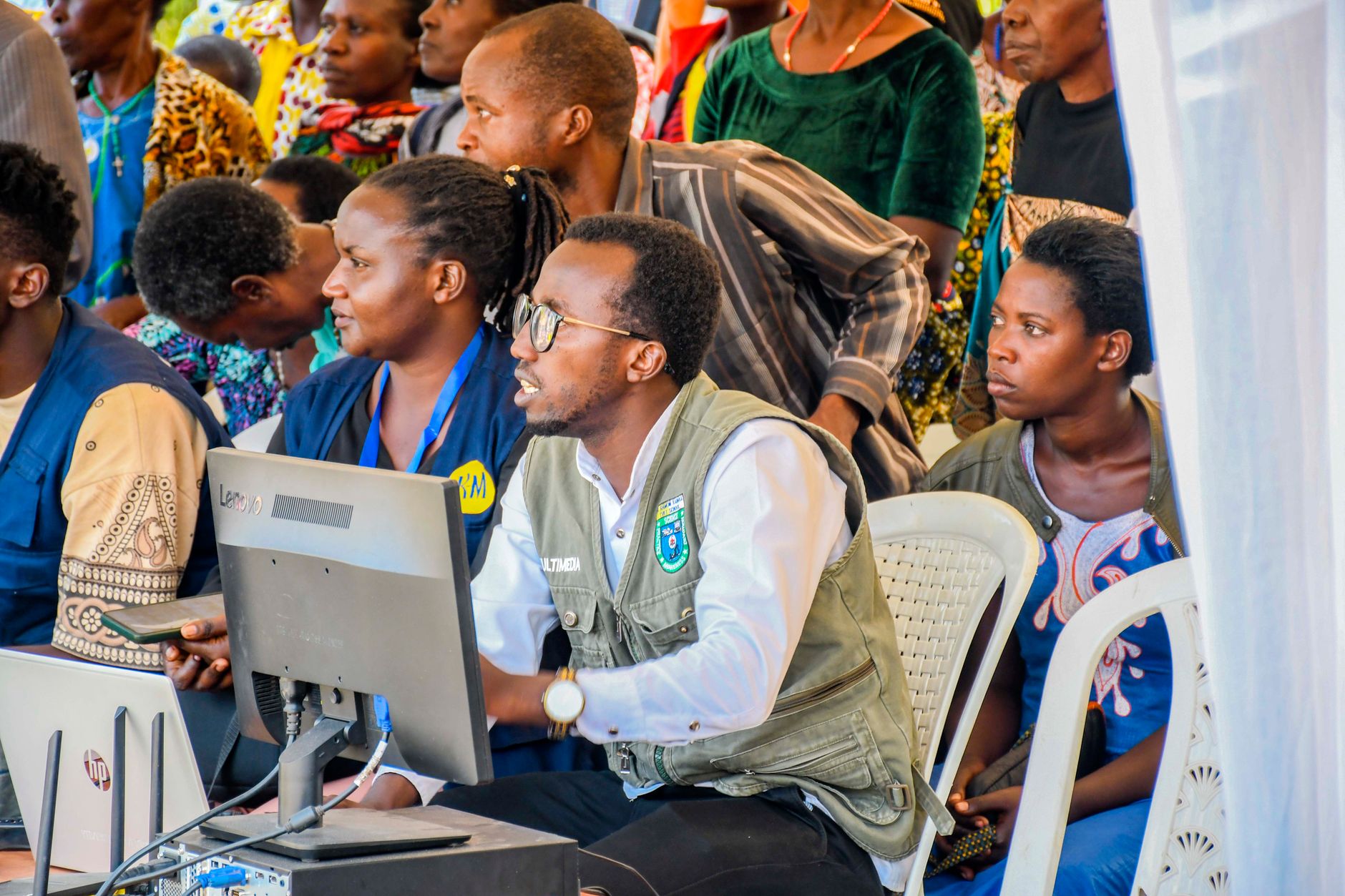
In a world where information is often just a click away, the reality for many researchers in developing nations can be starkly different. For the past 25 years, Research4Life has been the unsung hero quietly working to democratise access to scientific knowledge.
Bridging the Knowledge Divide
Launched as a public-private partnership, Research4Life offers free or affordable access to academic and scientific resources across more than 120 countries. This initiative, supported by the World Health Organization (WHO), has been pivotal in ensuring that researchers, educators, and policymakers in less privileged regions are not left behind in the race for knowledge.
Dr Tedros Adhanom Ghebreyesus, Director-General of WHO, remarked, "Research4Life has not only extended knowledge but also hope and opportunity. It is a testament to what can be achieved when sectors unite for a common cause."
Sustainable Development and Beyond
The impact of such a programme extends beyond academia. By facilitating access to scientific literature, Research4Life contributes to the broader goal of sustainable development. Health professionals and policymakers in these regions can make informed decisions that are backed by the latest evidence, ultimately leading to improved health outcomes.
One of the programme's beneficiaries, Dr Amina from Kenya, shared, "With access to the latest research, we can devise strategies that are more effective and culturally relevant to our communities." This sentiment echoes across continents, highlighting the programme's global reach and significance.
As we celebrate this milestone, the question of sustainability and future reach remains. However, the commitment from both public and private partners suggests that Research4Life is poised to continue its mission to bridge the knowledge divide.