Quarter of Youths in Northern India Neither Studying Nor Working
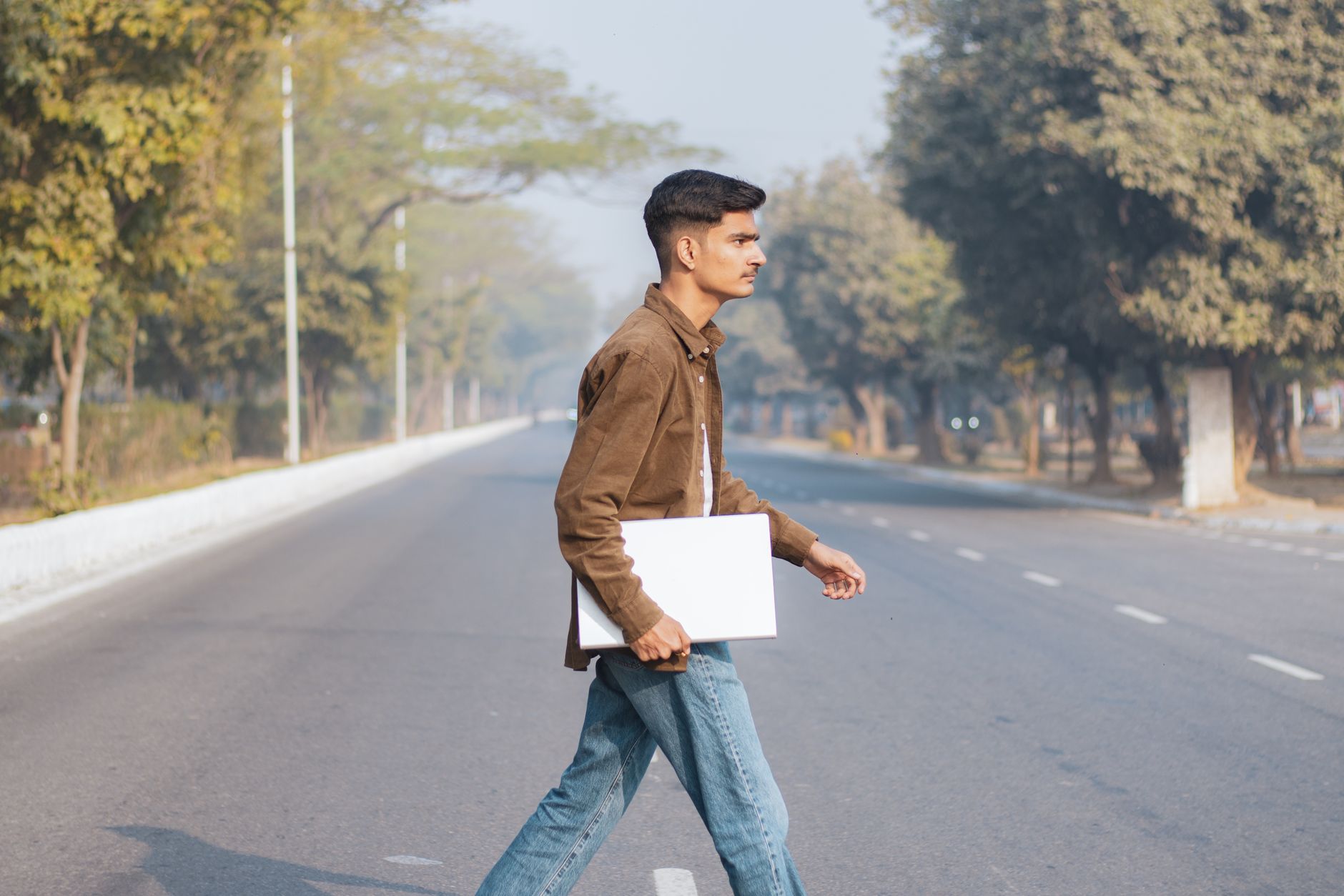
In the bustling districts of northern India, there lies a silent crisis that threatens to undermine the nation's economic potential. A recent survey has unveiled a worrying trend: over a quarter of young people aged 15 to 29 are neither in education, employment, nor training, commonly referred to as NEETs. This issue is most acute in nearly 250 districts, with a significant concentration in northern and some eastern states.
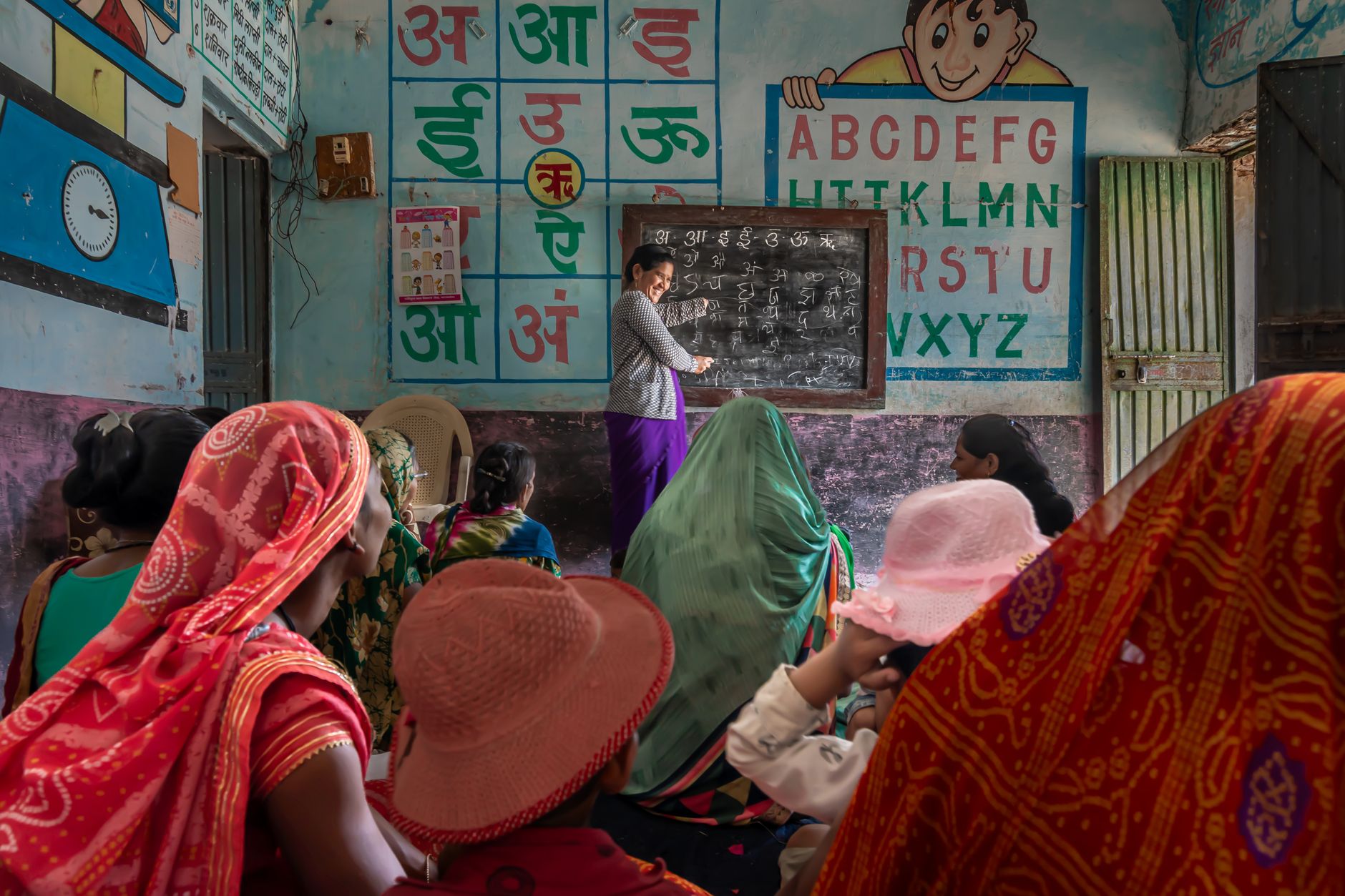
The survey, which covered 600 districts from various Indian states, highlights a persistent gap in human capital utilisation. Notably, the situation is particularly dire for young women, with nearly three-fourths of districts reporting high NEET rates among females. Cultural expectations, unpaid domestic work, and societal pressures contribute heavily to this gender disparity.
Experts argue that this NEET phenomenon is more than just a statistical anomaly; it represents a colossal waste of potential and a missed opportunity for economic growth. India, with its burgeoning youth population, had long been touted as a demographic dividend, poised to drive global economic engines. However, without adequate policy intervention and societal change, this potential may remain untapped.
While some progress has been made over the years, with NEET rates seeing a slight decline, the figures remain alarmingly above the global average. The economic implications are profound. A large segment of unengaged youth can lead to increased dependency ratios, strained public resources, and a potential rise in socio-economic unrest.
The government has expressed concern and is urged to focus on systemic reforms that address socio-economic barriers, provide vocational training, and shift cultural perceptions regarding gender roles. As India continues its journey towards becoming a global economic powerhouse, the need to harness the potential of its young population has never been more critical.