Rahul Gandhi: A Political Scion's Quest for Relevance
In the kaleidoscope of Indian politics, Rahul Gandhi's name resonates with both history and expectation. As the heir of a family that has given India three of its prime ministers, he carries the weight of legacy. Yet, the challenge before him is not merely to uphold this legacy, but to carve out a distinct identity amidst changing political currents.
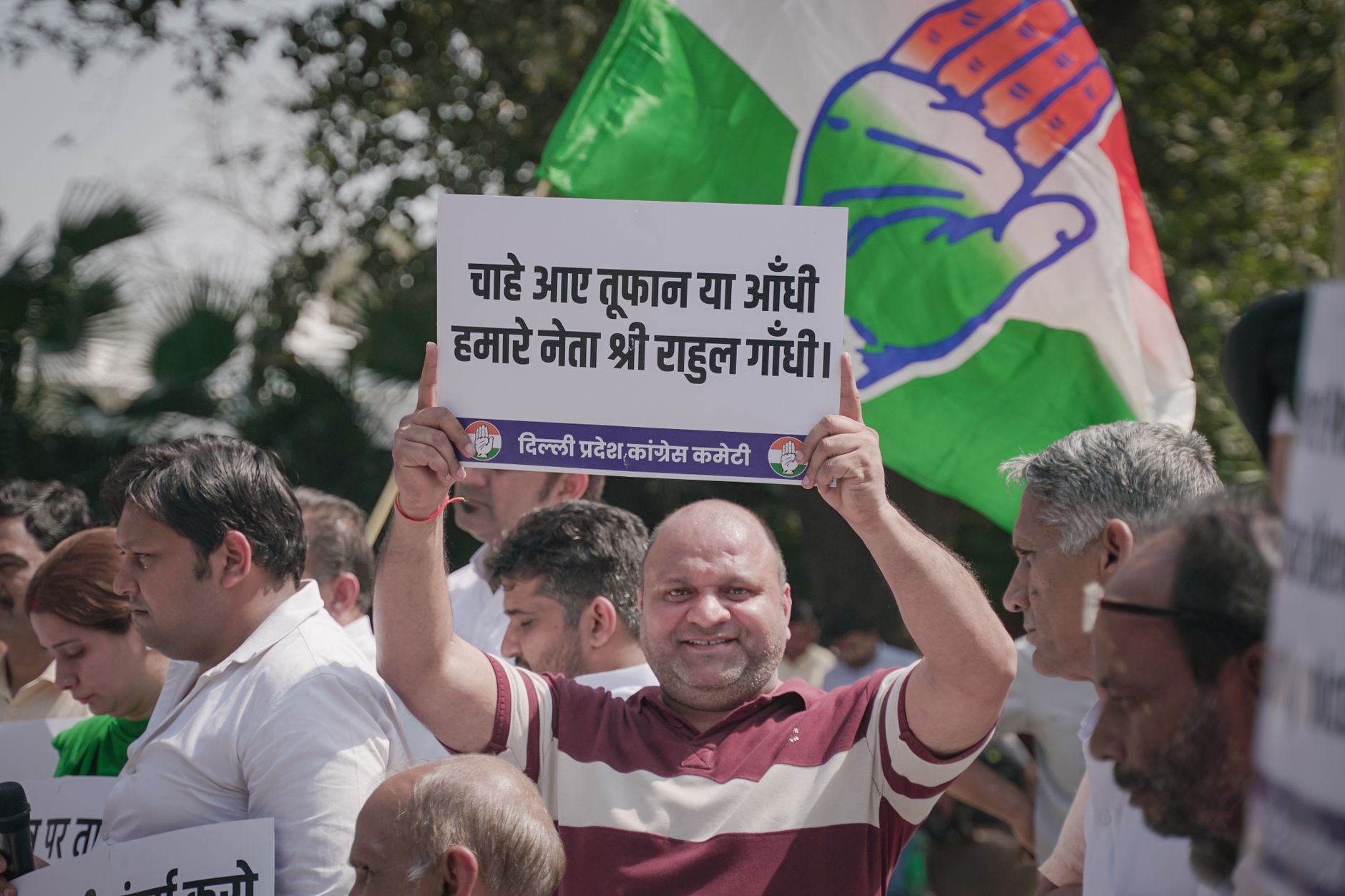
Recently, Gandhi has been seen on the front lines of protests, standing shoulder to shoulder with Gen Z activists and confronting the police. Such scenes are a departure from the traditional image of an Indian political leader shielded by layers of protocol and security. This bold approach is not just a signal of solidarity but a calculated move to connect with a younger demographic increasingly disillusioned with the status quo.
At a recent press conference, Gandhi encapsulated his strategy succinctly: "This battle is fought on multiple fronts," he declared, emphasising the complex interplay of perception, psychological, legal, and political battles. "We are fighting on all fronts, and we are winning on all fronts," he asserted with a sense of determination that has often been questioned by his critics.
The Weight of Heritage
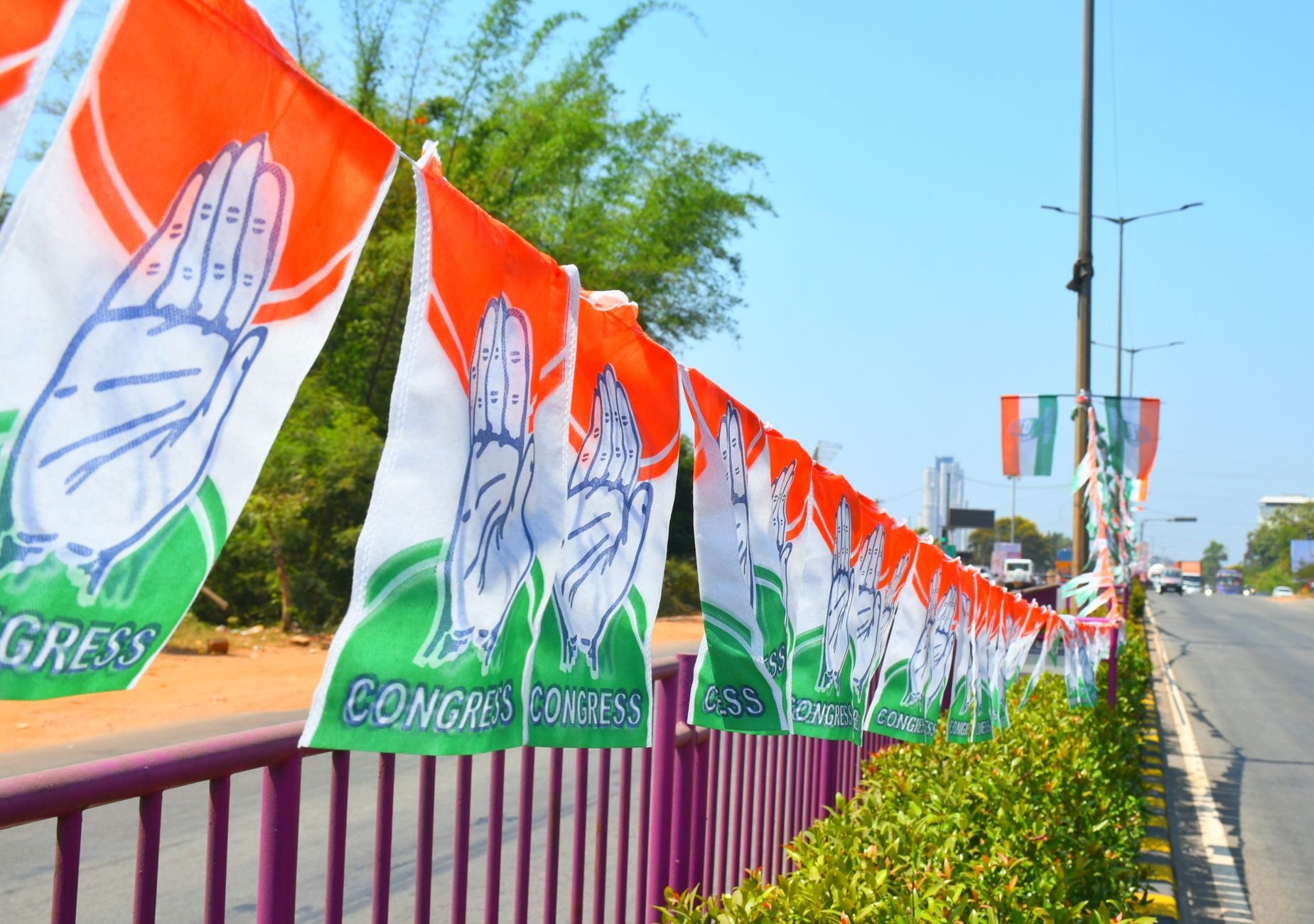
Gandhi's lineage is both a blessing and a burden. As the descendant of Jawaharlal Nehru, Indira Gandhi, and Rajiv Gandhi, he is inextricably linked to the Congress Party's storied past. Yet, in today's India, the Congress finds itself in the shadows, overshadowed by the towering figure of Narendra Modi and his Bharatiya Janata Party (BJP).
To rejuvenate the Congress and make it appealing to a diverse electorate, Gandhi is attempting to inject fresh perspectives while maintaining the core values his family has stood for. This balancing act is fraught with challenges, especially in a political climate where ideology often takes a backseat to populism.
Seizing the Moment
Gandhi's recent engagements suggest a concerted effort to seize the moment. By aligning with contemporary movements and addressing issues that resonate with the youth, such as unemployment and environmental concerns, he appears to be stitching together a coalition of the willing. His efforts reflect an understanding that India's political future hinges on inclusivity and addressing the aspirations of its burgeoning young population.
Whether Rahul Gandhi can translate these efforts into tangible political capital remains to be seen. Yet, in the chessboard of Indian politics, every move counts. As he navigates through this labyrinth, the scion of India's most illustrious political family is indeed trying to seize his moment.