Rahul Gandhi Challenges Modi's 'Cultural Shock' Remark on Women's Protest
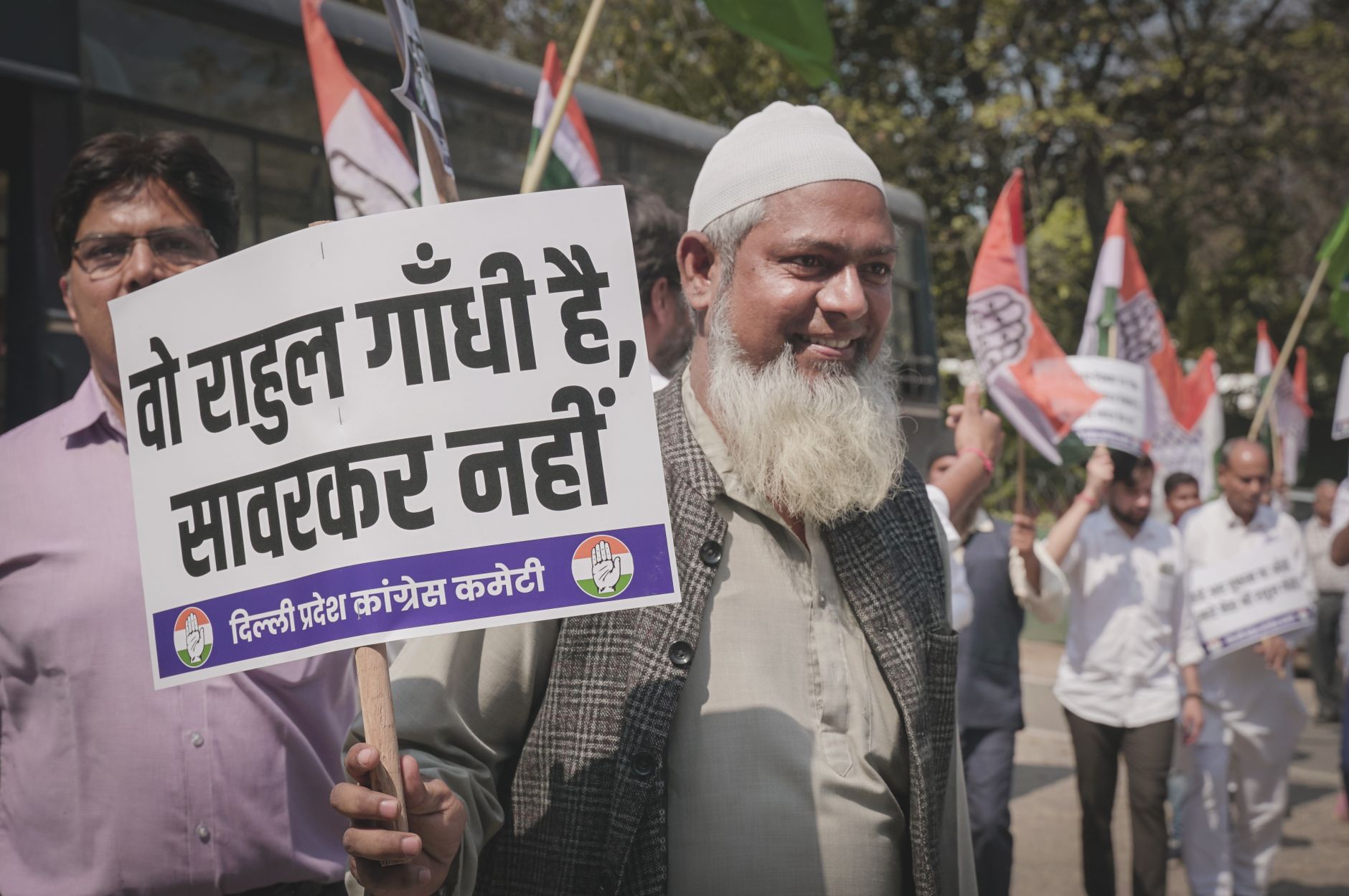
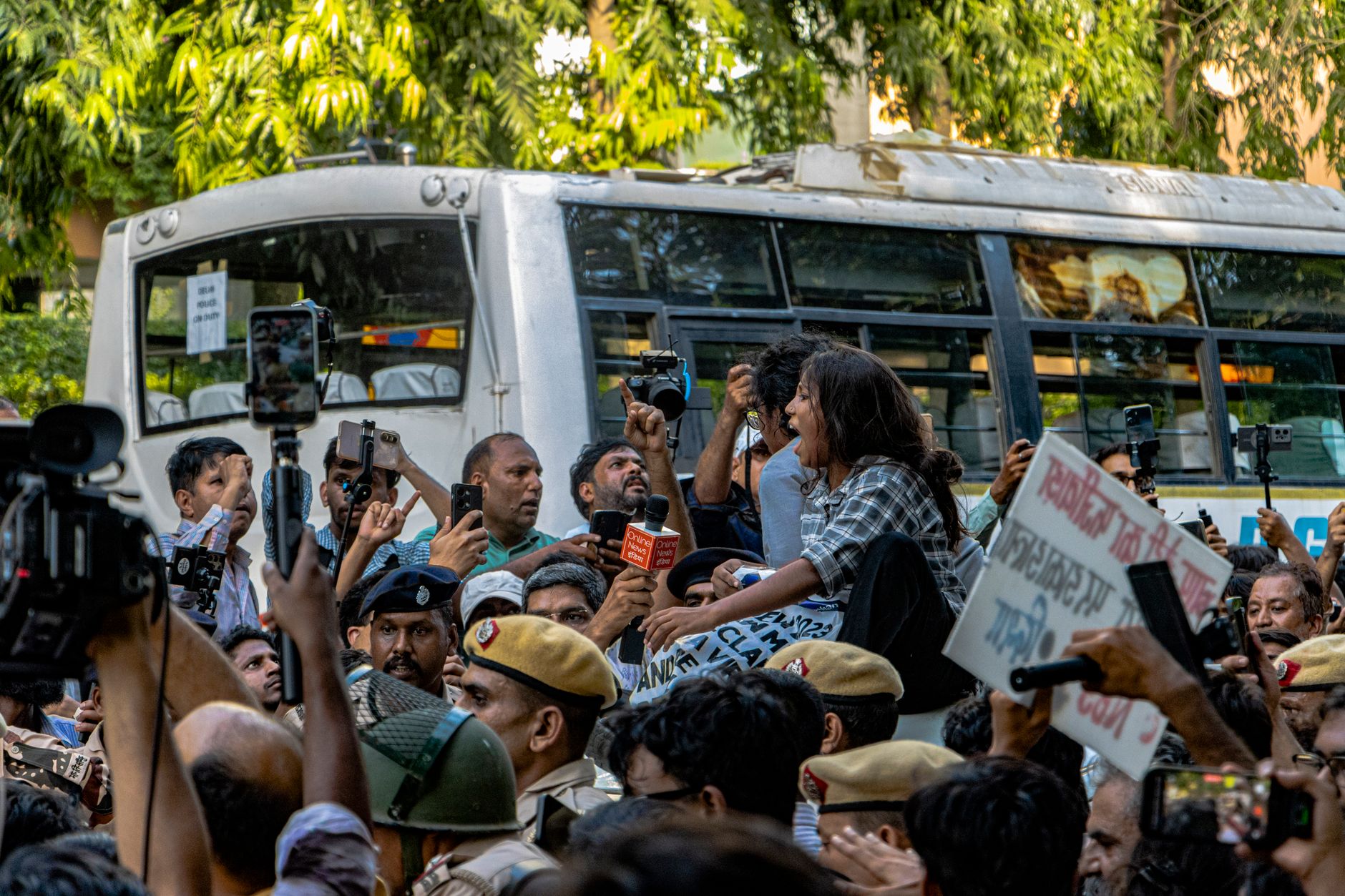
In a move that has sparked a fresh wave of political discourse, Rahul Gandhi, Congress MP and Leader of the Opposition, has openly criticised Prime Minister Narendra Modi's recent 'cultural shock' remark. This comment was made in response to women using strong language during a protest at Jantar Mantar, and Gandhi has not minced words in attributing it to a patriarchal mindset.
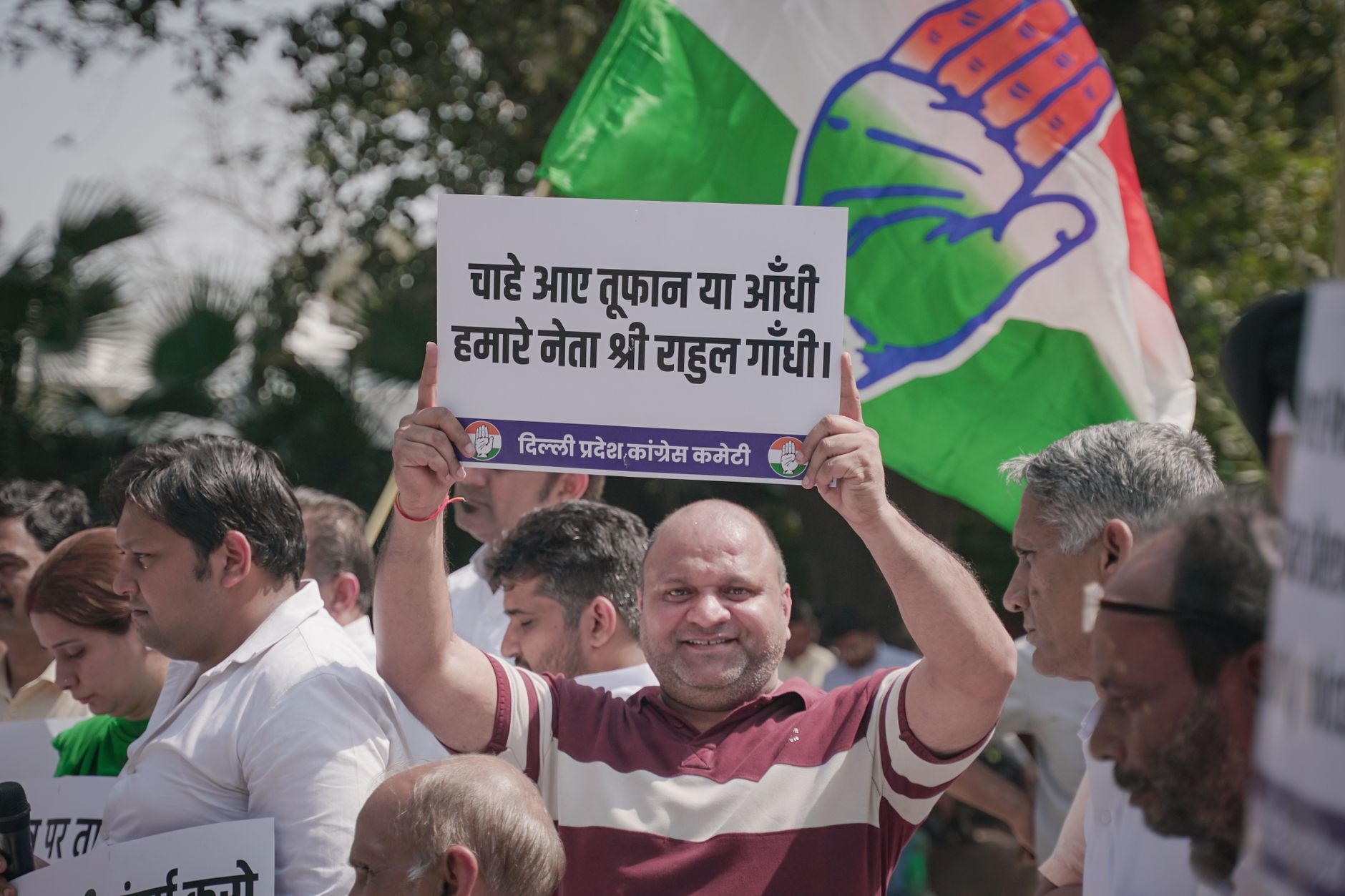
Speaking at the 'Chhatron Ki Goonj' programme, Gandhi questioned the underlying assumptions of Modi's statement. "Is it truly a shock when women express anger vocally? Or is it a shock because they dare to challenge the status quo?" he asked, addressing a gathering of students. His remarks have struck a chord, especially among those who feel that gender biases continue to dictate public discourse in India.
Gandhi's critique is not limited to the Prime Minister's words. He sees them as symptomatic of a broader societal issue—the persistence of 'Manusmriti'-like attitudes that seek to confine women within traditional roles. By bringing this to the fore, the Congress leader aims to highlight the need for an urgent cultural shift towards gender equality.
The incident at Jantar Mantar, where women were reportedly seen using abusive language, became a focal point of controversy when Modi described it as a 'cultural shock'. For many, this statement seemed to overlook the frustrations that drive such expressions of dissent. Gandhi’s response, therefore, can be seen as an attempt to redirect the conversation towards understanding and addressing these frustrations, rather than silencing them.
This episode underscores a persistent issue in Indian politics: the uneven reactions to male and female expressions of protest. While men using strong language is often dismissed as part of political rhetoric, women doing the same can provoke charges of impropriety. Gandhi's intervention may thus serve as a catalyst for broader discussions on how gender norms influence political and social interactions in the country.
As the debate continues, one thing is clear: the conversation about gender in India is far from over. Gandhi's comments have not only reignited discussions but have also spotlighted the ongoing struggle for gender equality, a battle that is as much about changing minds as it is about changing laws.