Rahul Gandhi Challenges Modi's 'Culture Shock' Remark on Women Protesters
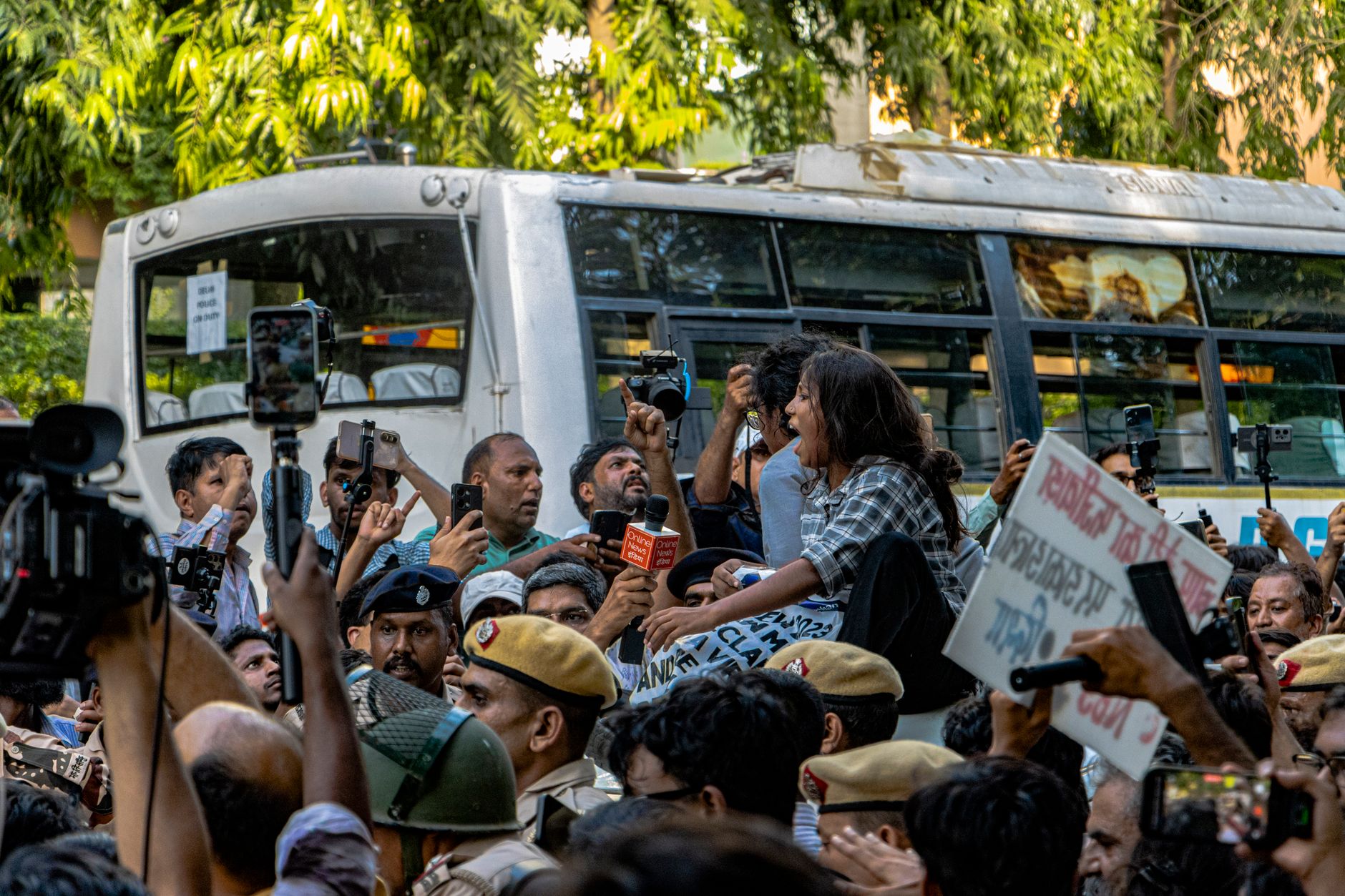
In a political landscape where every word is weighed with the gravity of its potential impact, Rahul Gandhi has taken aim at Prime Minister Narendra Modi's recent comments regarding women protesters. Speaking to students in Pune, Gandhi castigated Modi's expression of 'culture shock' at hearing young women use abusive language during a protest at Jantar Mantar.
Gandhi's critique comes at a time when gender issues are increasingly at the forefront of political discourse in India. The Congress leader argued that Modi's comments reflect a deeply entrenched patriarchal mindset. 'Why should it be a shock that women are speaking up?' Gandhi asked, suggesting that the Prime Minister's reaction was rooted in outdated and sexist norms.
Gender Disparity in Political Discourse
The issue has rekindled a broader debate about gender disparity in India, particularly in how female dissent is perceived. While Modi has championed numerous schemes aimed at empowering women and enjoys significant support among female voters, Gandhi's comments suggest there is still a long way to go in normalising women's voices in public protests.
Critics argue that the Prime Minister's 'culture shock' comment undermines the progress made in women's rights. It draws attention away from the substantive issues being protested. Instead of focusing on the language used, Gandhi posits that attention should be directed towards the reasons behind such fiery demonstrations.
A Call for Change
Gandhi's remarks are not just a critique but a call to action. He urged women to continue challenging the status quo, to speak out and be unapologetic about their right to protest. His comments have resonated with many who believe that gender equality in India is still an aspiration rather than a reality.
As the debate unfolds, it highlights the complex interplay between politics, gender, and societal norms in India. While Modi's government has made strides in promoting women's welfare, Gandhi's pointed critique underscores the need for a cultural shift that embraces women's voices without reservation.