Rahul Gandhi Criticises India's Education System, Citing Youth Disenfranchisement
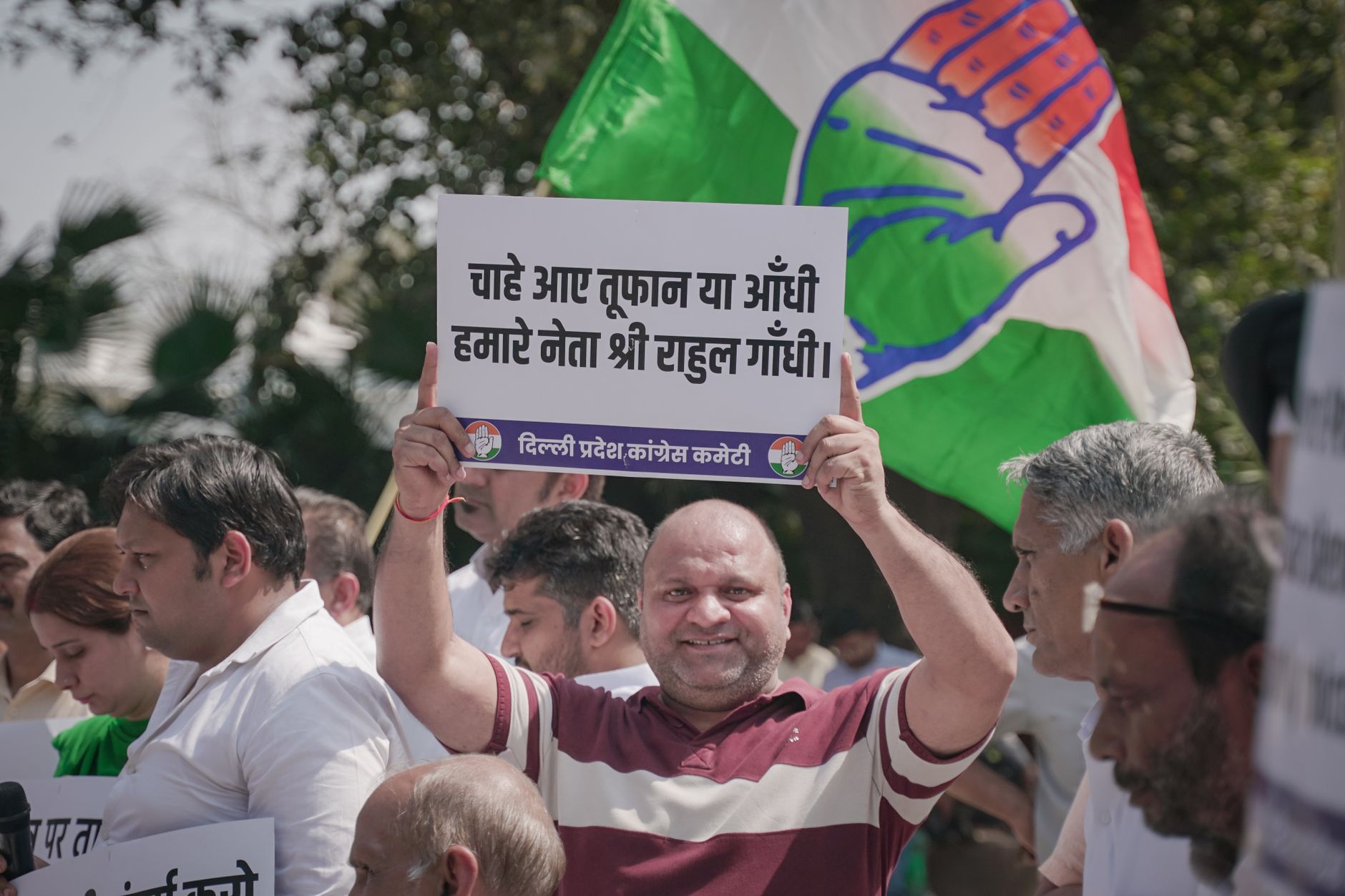
In a scene reminiscent of a political rally, Rahul Gandhi stood shoulder to shoulder with a group of impassioned youth protestors, their collective voice seeking to highlight the frailties of India's education system. The Congress leader did not mince his words, as he launched a comprehensive attack on the Modi government's handling of educational affairs, particularly in the wake of the NEET paper leak scandal.
Critics have long argued that India's education system is in need of reform, but Gandhi's recent comments have reignited the debate. At the heart of his criticism is the accusation that systemic corruption and mismanagement are undermining the futures of millions of young Indians. 'When the future of 22 lakh children is at stake, the Prime Minister remains silent,' Gandhi declared, in a statement that resonated with the angst of those gathered.
Concerns Over NEET
The cancellation of the NEET-UG 2026 examination due to a paper leak has been a flashpoint for wider discontent. Gandhi's pointed remarks at the Centre's inaction have struck a chord, especially among students and parents who feel let down by the system. 'Youth of India, I am proud of you. Keep protesting. We are standing with you,' he exhorted, calling for continued resistance against what he describes as a negligent government.
By framing the issue as one of national importance, Gandhi has sought to galvanise support not just from the youth, but from all quarters of Indian society. The narrative he presents is of a government more interested in maintaining power than in addressing the foundational issues plaguing education.
A Political Battle
The political ramifications of Gandhi's statements cannot be understated. In a landscape where dissent is often met with swift retaliation, his call to action is both bold and risky. Accusations that protestors are being labelled as 'terrorists' add a layer of controversy, yet also serve to unify disparate groups under a common cause. The Congress leader's demand for the resignation of education minister Dharmendra Pradhan is a clear indication that this is not merely an educational issue, but a political statement.
As the debate over India's education system continues, the question remains whether these protests can prompt meaningful change. For now, Gandhi's words have ignited a fire in the hearts of many young Indians, who see in him an ally in their fight for a brighter future.