Rahul Gandhi Rebukes Modi's 'Culture Shock' Over Women Protesters
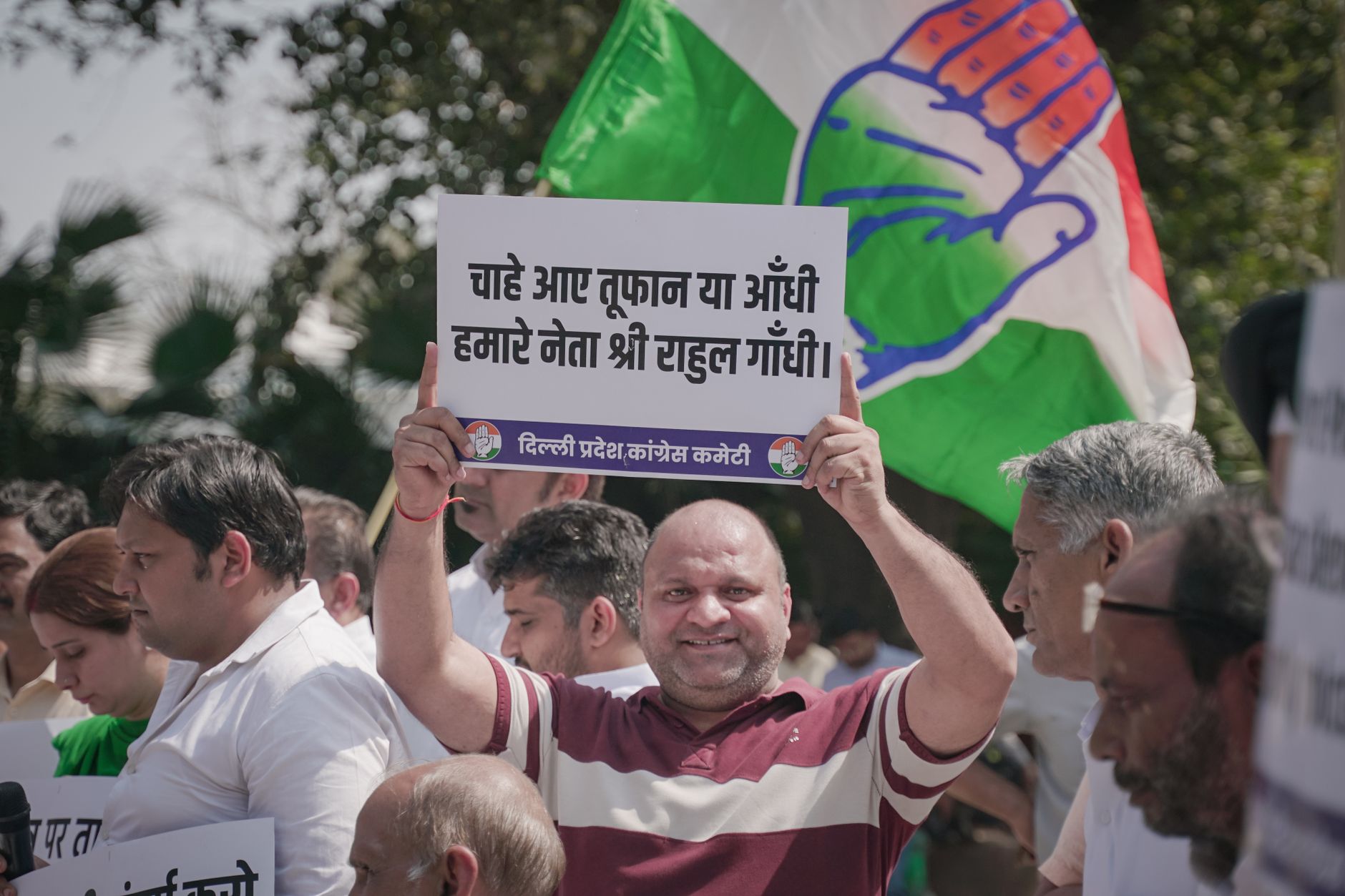
Amidst the hubbub of Pune’s student gatherings, Rahul Gandhi took to the podium, not to wax lyrical about policy or election promises, but to challenge what he perceives as a glaring inconsistency in societal expectations. His target: Prime Minister Narendra Modi’s recent remarks on women protesters.
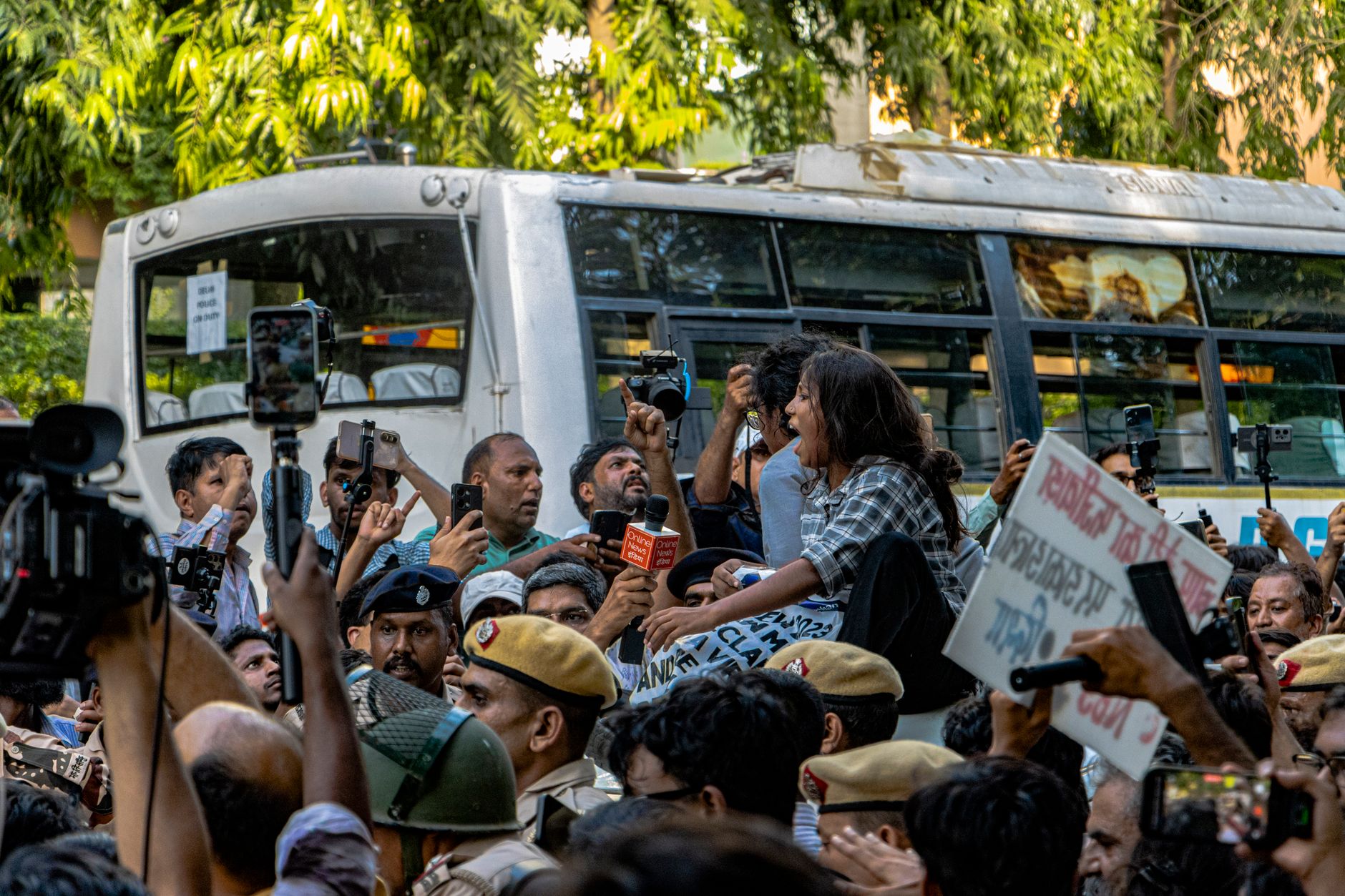
During a protest led by the Cockroach Janta Party (CJP) over a paper leak scandal, young women raised their voices—and, notably, their language. Modi, addressing this, termed the women's use of abusive words as a 'culture shock'. Rahul Gandhi, however, sees this as a double standard.
Gendered Expectations
“Why is it that when both boys and girls use the same language, only the girls are highlighted?” Gandhi asked, his words resonating with a crowd no stranger to the complexities of gender dynamics. His question taps into a deeper, often overlooked narrative: the different standards to which men and women are held in Indian society.
While Modi’s comment may have been intended as a reflection on changing cultural norms, it inadvertently ignited a broader discourse on gender disparity. Gandhi's response, while political, also struck a chord with those who feel that such remarks perpetuate outdated stereotypes.
The Larger Picture
This debate over language and propriety in protests is not just about rhetoric; it’s a microcosm of the broader gender issues in India. Women stepping into spaces traditionally occupied by men often face scrutiny not just for their actions, but for how they present themselves while doing so.
The controversy also reflects the ongoing tension between modernity and tradition in India—a nation where the push for gender equality often clashes with entrenched cultural mores. Gandhi’s challenge to Modi could be seen as an attempt to shift the narrative, to focus on equality in how behaviours are judged, irrespective of gender.
As the debate continues, it raises questions about what truly constitutes a 'culture shock' in a rapidly evolving society. Perhaps it’s not the language used, but the enduring expectation that women should adhere to a different set of rules.