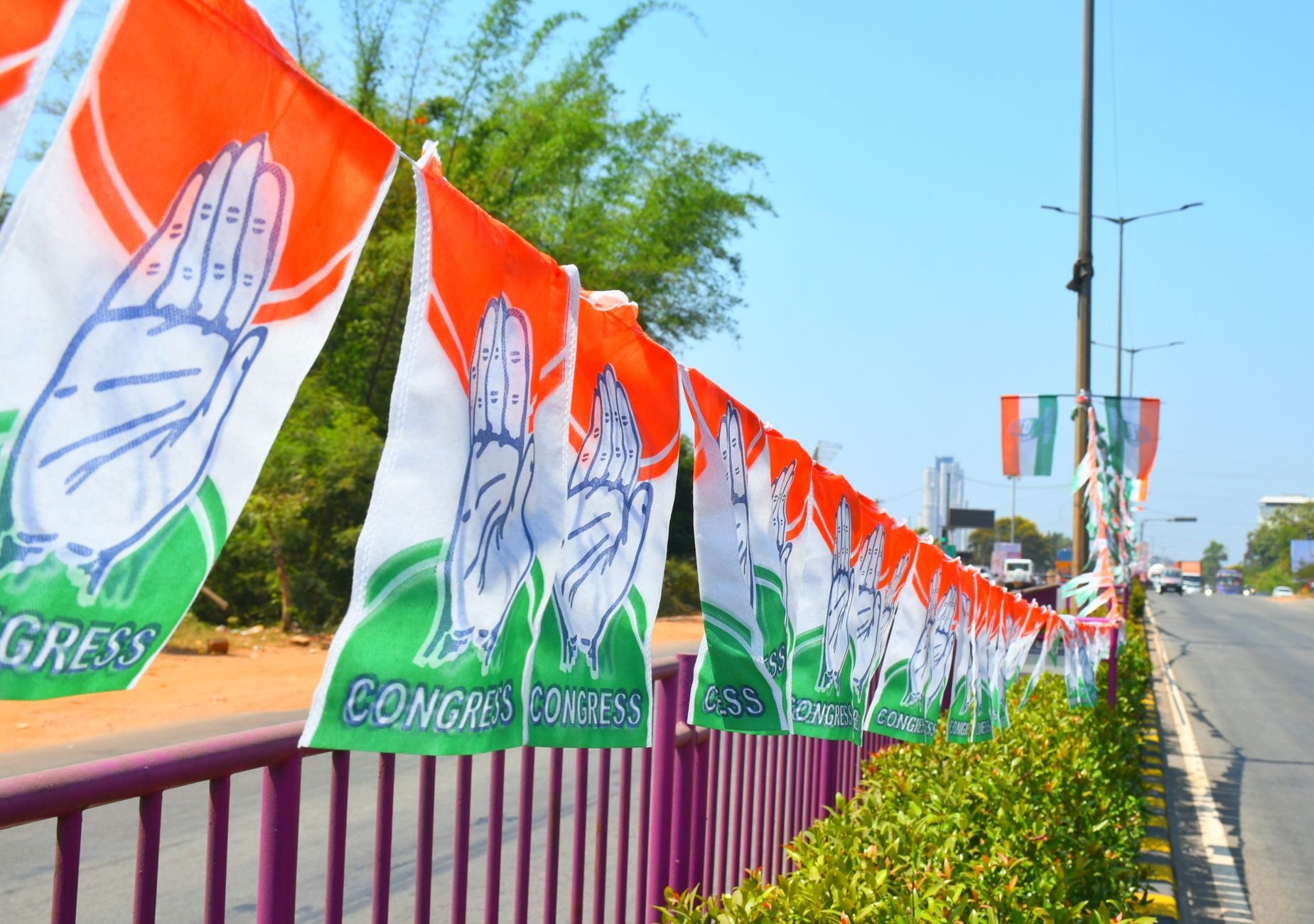
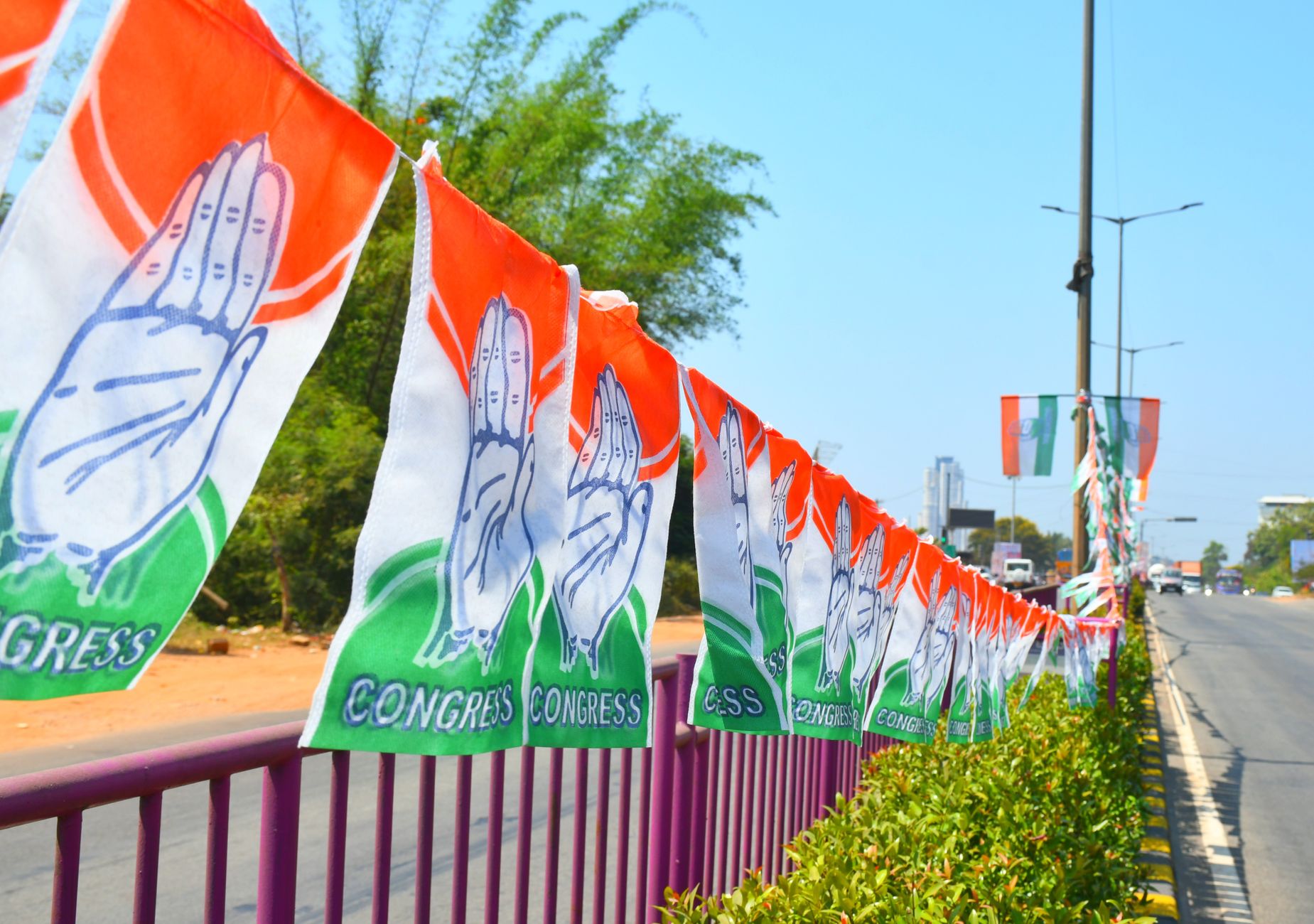
Rajnath Singh Accuses Congress of Politicising Youth Protests
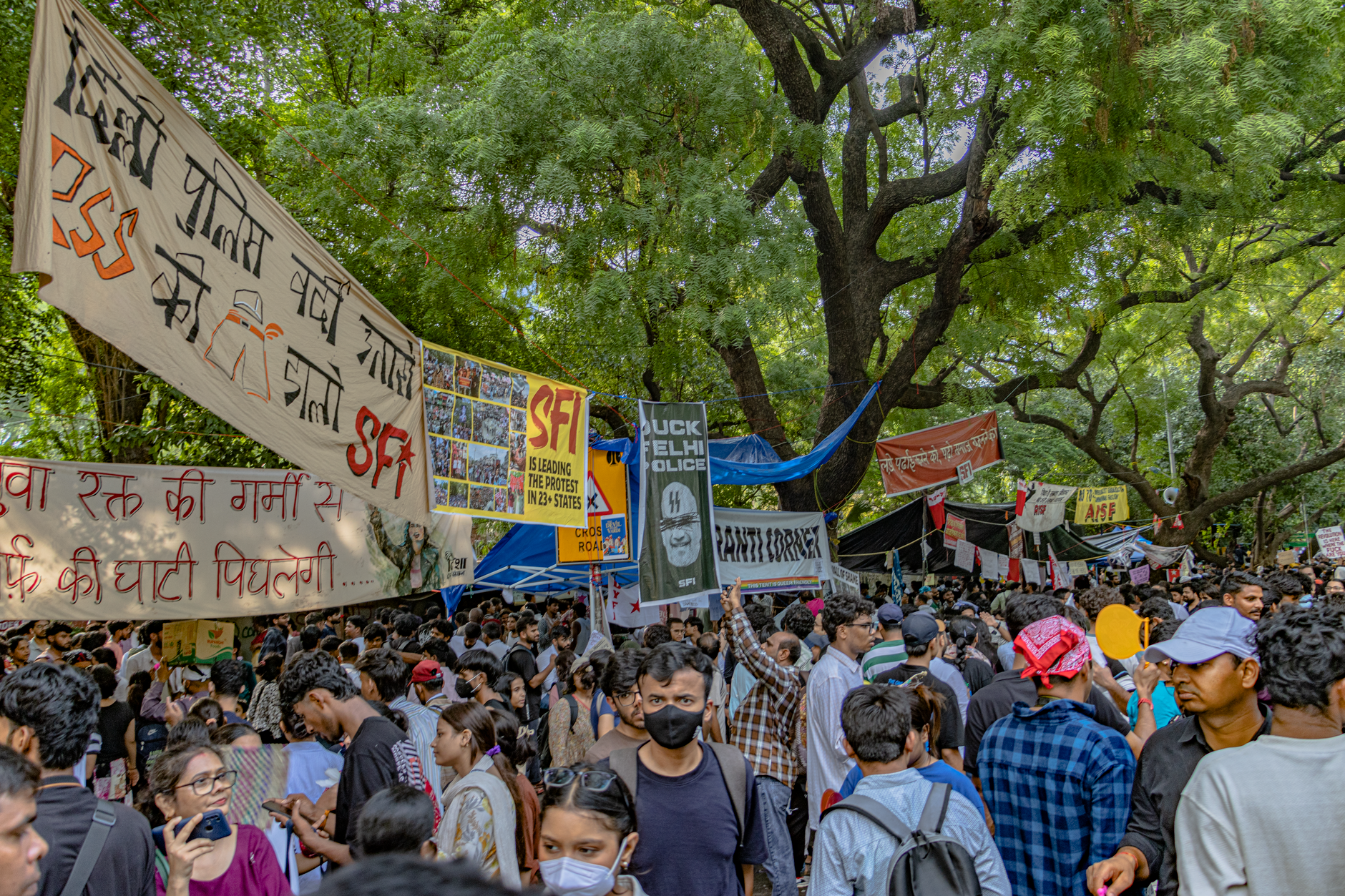
Standing before a throng of reporters, Defence Minister Rajnath Singh did not mince words. The Congress, he asserted, has been unscrupulously deploying the nation's youth as mere pawns in its pursuit of political anarchy. His comments come at a time when student protests are gaining momentum at Delhi's Jantar Mantar, ostensibly over educational reforms.
Singh's rebuke was both pointed and timely. He accused the opposition of 'manufacturing anger' and advised that the grievances of students should be aired through parliamentary debate rather than street demonstrations, which he described as a spectacle serving ulterior motives.
A Call for Parliamentary Debate
The Defence Minister's remarks underscore a growing tension between the ruling Bharatiya Janata Party (BJP) and the opposition Congress. Singh urged the Congress to abandon what he termed as 'street politics' in favour of more constructive dialogue within the halls of Parliament.
Meanwhile, the Congress has retorted by questioning the government's stance on reservations for Scheduled Castes, Scheduled Tribes, and Other Backward Classes, demanding clarity on whether the 50 per cent cap would be lifted. This demand, the Congress argues, addresses critical issues of social justice.
The Broader Implications
At its core, this political fracas highlights the broader discourse on how student activism should intersect with national politics. Singh's comments suggest a desire to preserve the sanctity of parliamentary debate, while his critics argue that the government is attempting to stifle legitimate dissent.
The protests at Jantar Mantar, which have drawn significant media attention, are a reminder of the power and passion of youth-driven movements. Yet they also serve as a battleground for warring political narratives, each seeking to claim the moral high ground.
In the end, whether these student protests will effectuate change or merely serve as political fodder remains contingent on the dialogues—or lack thereof—within the nation's legislative bodies.