Rajnath Singh Greenlights Missile Tech Transfer to Boost Defence Industry
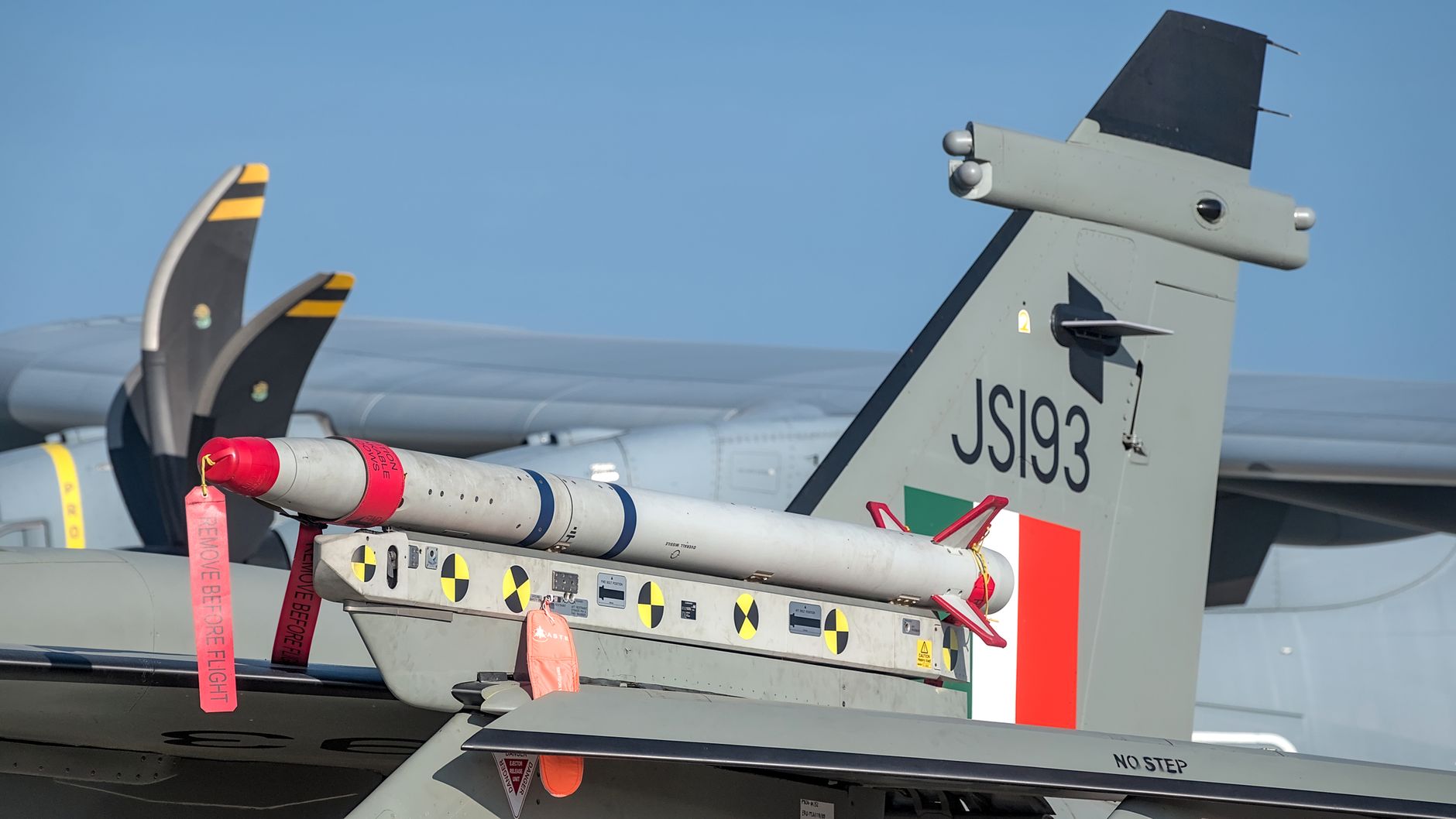
In a decisive step towards bolstering India’s defence capabilities, Defence Minister Rajnath Singh has given the nod for transferring missile technology developed by the Defence Research and Development Organisation (DRDO) to the Indian defence industry. The announcement, made on 25 August 2026, marks a significant push in India's pursuit of self-reliance in military hardware.
The move allows Indian companies to produce a range of missile systems within the country, thereby reducing dependency on foreign imports. This strategic decision is expected to enhance the operational capabilities of the Indian Armed Forces, while simultaneously providing a substantial boost to the domestic defence manufacturing sector.
Strengthening Indigenous Manufacturing
The DRDO, renowned for its cutting-edge military technologies, has developed a wide array of missile systems that are now set to be manufactured locally. This includes various conventional missile systems that have been integral to India’s defence strategy. By transferring this technology to private manufacturers, the government aims to cultivate a robust ecosystem for defence production.
Analysts suggest that this initiative could significantly reduce procurement costs and improve the delivery timelines of essential defence equipment. Moreover, it aligns with the broader 'Make in India' initiative, aimed at promoting manufacturing capabilities across different sectors.
Implications for National Security
Beyond economic and industrial benefits, the transfer of missile technology holds substantial strategic value. As geopolitical tensions fluctuate, having advanced missile systems produced locally ensures that India maintains a state of readiness and operational flexibility.
Critics, however, caution that the success of this initiative hinges on the effective collaboration between DRDO and private enterprises. The transfer process requires meticulous execution to ensure that the quality and reliability of the missile systems are not compromised.
In essence, Rajnath Singh's approval of this technology transfer is a calculated manoeuvre aimed at reinforcing India’s defence sector, both technologically and economically. As the nation leans towards greater self-reliance, the implications of this decision will likely reverberate through the corridors of power and industry alike.