Re-evaluation of Firefly Light Could Illuminate Scientific Understanding
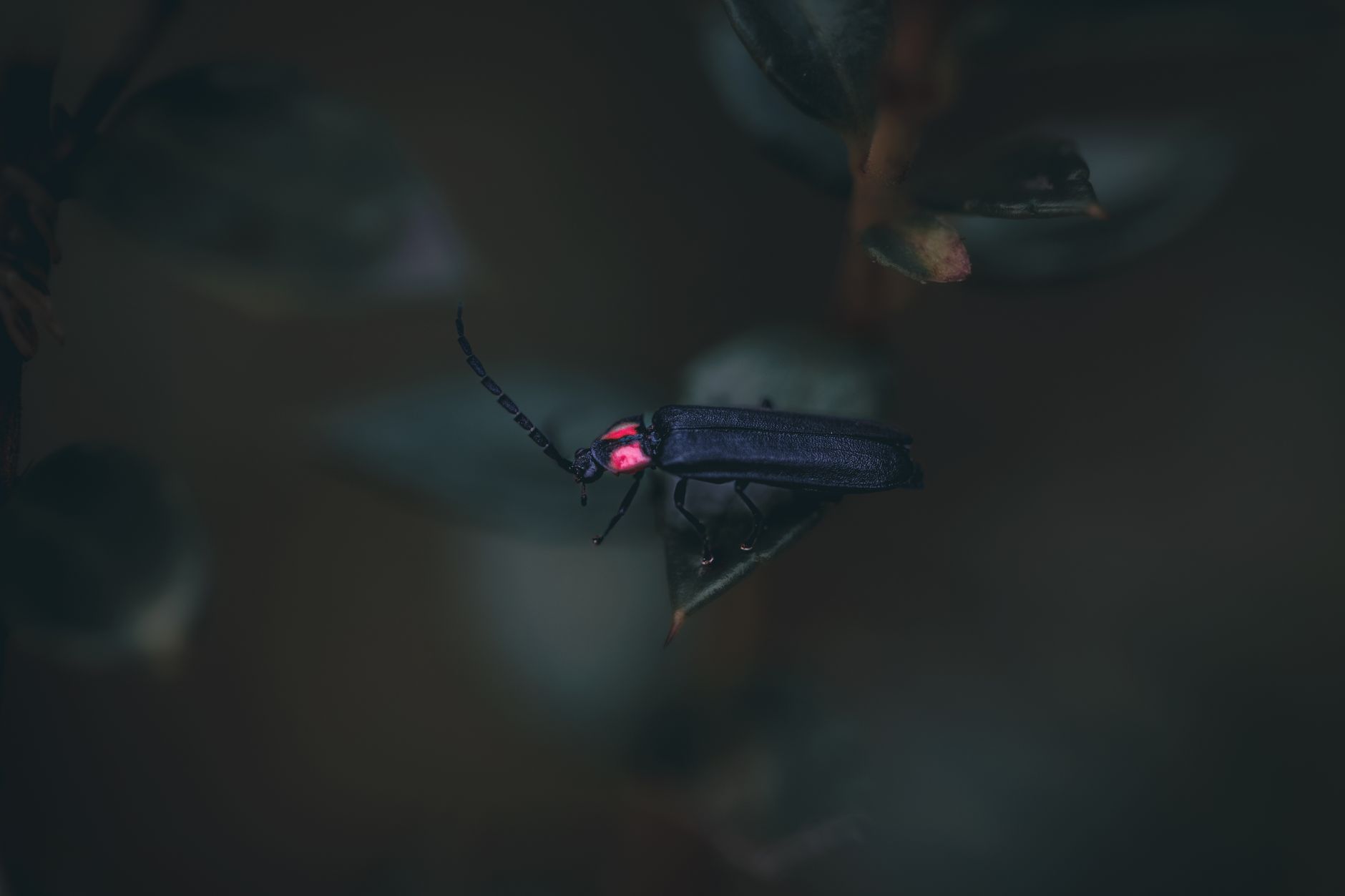
In the flickering dance of fireflies, a long-held scientific assumption has been thrown into question. For over a century, researchers have confidently asserted the brightness of these bioluminescent beetles, often citing figures of 1013 to 1014 photons per flash. Yet, a recent study published in the American Journal of Entomology suggests that this understanding might be as ephemeral as the creatures themselves.
The traditional measurements, it appears, were based on early 20th-century experiments that have now been scrutinised with modern techniques. Scientists have discovered that fireflies' light emissions are not as intense as once believed, prompting a re-evaluation of the fundamental mechanisms underlying their bioluminescence.
Implications for Science
Why does this matter? Understanding firefly luminescence is not merely an exercise in esoteric knowledge. It holds significant implications for fields ranging from ecological conservation to the development of bio-inspired lighting technologies. Bioluminescence, after all, is more than a pretty spectacle; it is a complex biological process honed by millions of years of evolution.
With fireflies facing threats from habitat loss and light pollution, an accurate understanding of their biology is critical. Conservation programmes could be misdirected if based on flawed assumptions about their light production, potentially jeopardising the future of these charismatic insects.
A Broader Ripple
The ripple effect of this discovery extends beyond fireflies. It challenges scientists to revisit other bioluminescent organisms like click beetles and glow worms. If fireflies have been misunderstood, what does this say about our grasp of other natural phenomena?
Indeed, this revelation serves as a reminder of the importance of questioning and testing scientific dogma. As one researcher put it, “Science thrives on curiosity and scepticism. This is a call to keep our eyes open, even—or especially—when we think we know something for certain.”