Reading Champions: Russia Tops Global Literacy Rankings
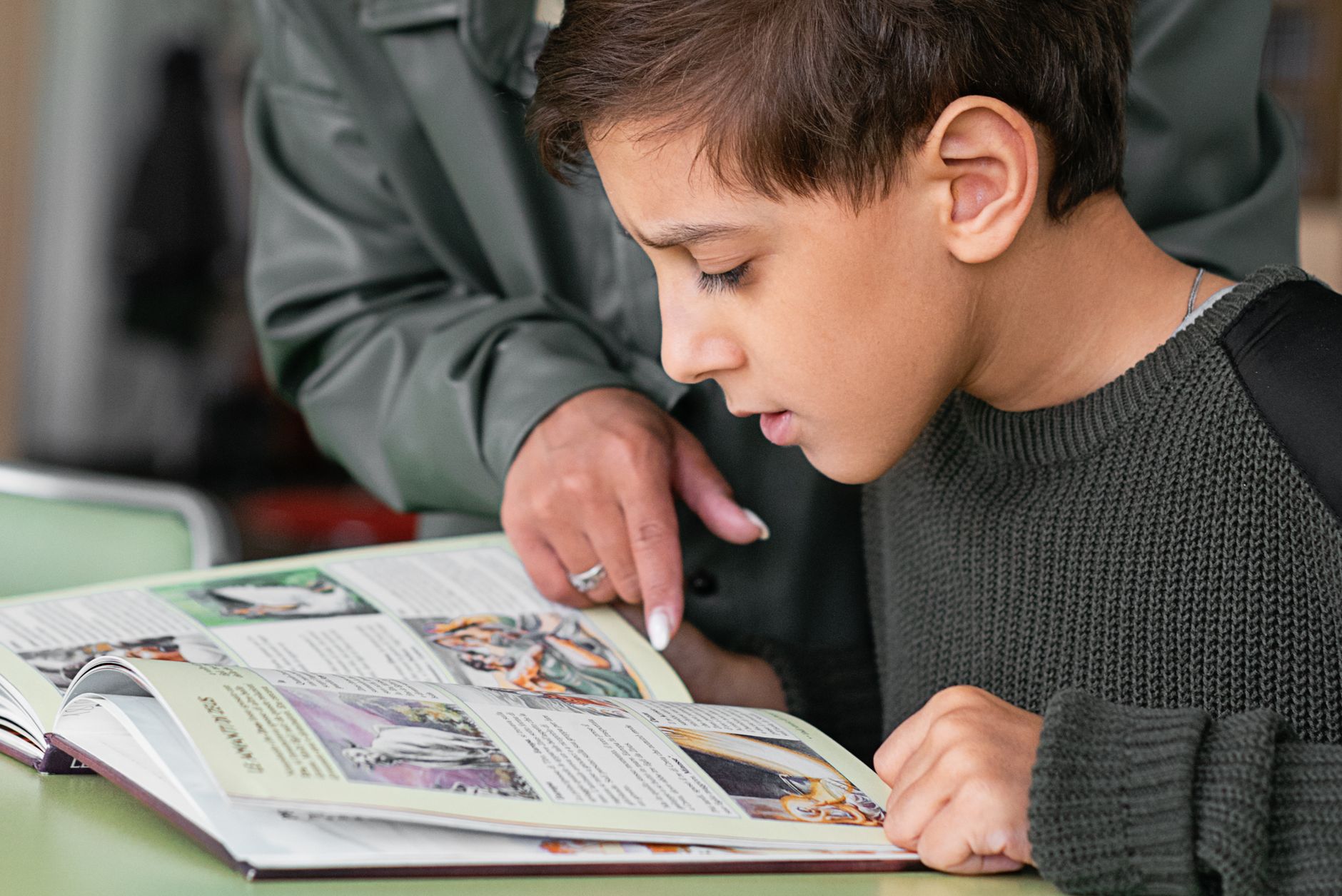
In a world where literacy is increasingly becoming the currency of progress, Russia has clinched the top spot in the 2026 global reading rankings. The latest Programme for International Student Assessment (PISA) results, unveiled this September, place Russia ahead of 39 other countries and economies, underscoring its students’ superior reading abilities.
Russia's ascension to the pinnacle of literacy is attributed to a multifaceted approach, combining a rigorous educational system with a cultural tradition that prizes reading. The country’s commitment to education is reflected in its national curriculum, which mandates extensive reading and comprehension exercises from an early age. Additionally, the prevalence of public libraries and reading circles further nurtures a love for literature.
While Russia basks in its success, other countries are taking note. Following closely behind are Finland and South Korea, nations renowned for their innovative educational practices. Finland's emphasis on teacher autonomy and South Korea's focus on discipline and hard work manifest in their students' formidable performances.
The Importance of Literacy
In today's digital age, literacy extends beyond the ability to read and write—it is about understanding and engaging with complex information. Countries that prioritise literacy are better positioned to innovate and compete globally. Russia's triumph indicates a broader regional trend, with Eastern European countries showing marked improvements in literacy. Such progress is not merely academic; it holds profound implications for economic and social development.
As the world watches these developments, the emphasis on reading skills is likely to intensify. Policymakers and educators globally are examining these results, seeking insights into methods that might be adapted to their own educational systems. The PISA scores are more than a mere ranking; they offer a glimpse into the future of our global society.