Record Ocean Temperatures Surge Amidst Growing El Niño Concerns
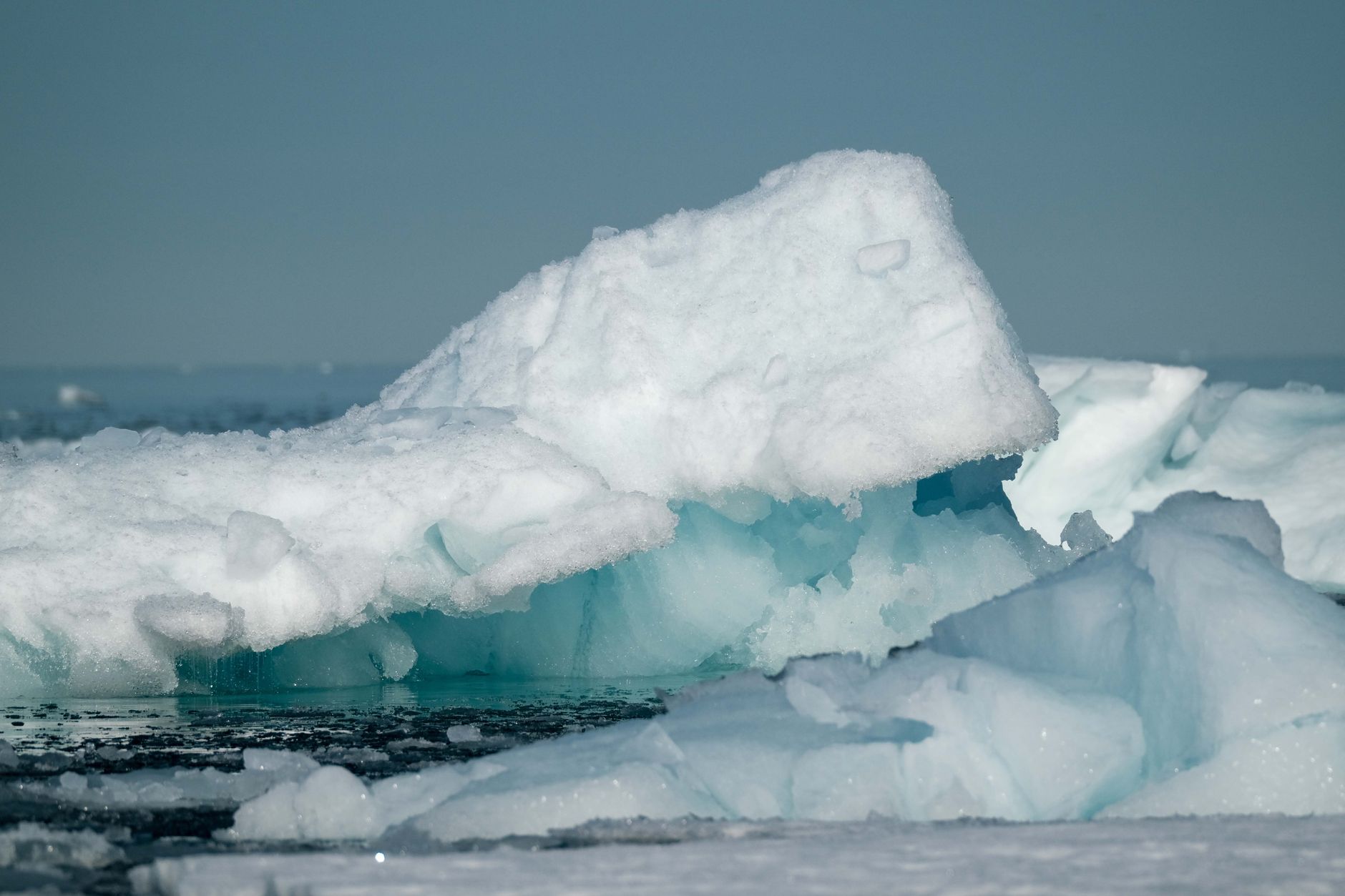
As wildfires blaze across the scorched landscapes of western Europe, the world's oceans are simmering at unprecedented temperatures. July has made its mark as the hottest month ever recorded for ocean temperatures, with the average sea surface temperature reaching a sweltering 21.1°C outside the polar regions.
This latest data, disclosed by the Copernicus Climate Change Service, has raised significant alarms within the scientific community. While the burgeoning El Niño weather pattern plays a prominent role in this thermal surge, experts caution against attributing all blame to this cyclical phenomenon. "This record is another clear signal of an ocean under growing stress," remarked Samantha Burgess, a key figure in climate strategy at the European Centre for Medium-Range Weather Forecasts.
The implications of this oceanic heatwave stretch far beyond the immediate environmental distress. Warmer oceans contribute to more intense weather systems, affecting global climate patterns and marine biodiversity. The escalating temperatures are also symptomatic of broader anthropogenic climate change, reflecting the dire need for international cooperation to mitigate these impacts.
The Role of El Niño
El Niño, a natural climate cycle characterised by the warming of the central and eastern tropical Pacific Ocean, is known for its global climatic repercussions. This year's event is developing swiftly and is predicted to be the most intense in at least a century. However, as scientists emphasise, the pervasive warming of the oceans cannot be solely pinned on El Niño.
Human-driven factors, such as greenhouse gas emissions and environmental degradation, have laid the groundwork for such extreme conditions. The synergistic effect of El Niño and these persistent human influences is what makes the current scenario particularly concerning.
Global Repercussions and Urgency for Action
The ramifications of record-high ocean temperatures are profound. Marine ecosystems face unprecedented stress, with coral bleaching and shifts in species distribution becoming more common. These changes threaten the livelihoods of communities dependent on fishing and tourism.
Furthermore, warmer oceans can lead to the intensification of hurricanes and typhoons, posing risks to coastal populations worldwide. The current situation serves as a stark reminder of the urgency with which climate policies need to be enacted. International collaboration and a commitment to reducing emissions are imperative to safeguard our oceans and, by extension, our planet's future.